
2026 Global Tablet Press Pricing Guide: From Entry-Level Costs to High-End Strategic Investments
Tablet manufacturing machine pricing has quietly become one of the most talked-about topics across global pharma and nutraceutical supply chains. Step into 2026, and the market shows a clear tiered structure — from research-grade equipment starting around $7,400, all the way up to fully automatic high-volume systems crossing the $200,000 mark. That price spread tells you everything about how wide the technology gap has gotten.
The demand drivers here are worth paying attention to. The global pharmaceutical tablet press market is closing in on $1.5 billion, holding a CAGR above 7%. Chinese manufacturers — anchored in industrial clusters across Jiangsu and Zhejiang — have successfully driven equipment acquisition costs down 15% to 30% through sheer production scale.
In today’s digital transformation era, equipment price isn’t just a line item on a budget sheet. It’s a strategic asset tied directly to OEE (Overall Equipment Effectiveness) and long-term ROI. Global pharmaceutical manufacturing equipment is on track to break $15 billion in 2026, with Chinese exports accounting for over 60% of that share. That kind of market reshaping means buyers need sharper selection instincts — or they’ll overpay for specs they’ll never use.[Source: https://www.grandviewresearch.com/industry-analysis/pharmaceutical-manufacturing-equipment-market]
Automation Is Driving the Pricing Logic — and the Forecasts Through 2028
The Structural Shift in Industrial Automation
The real story behind tablet press pricing isn’t just supply and demand. It’s the industry’s full pivot from mechanical manufacturing toward intelligent, flexible production. By 2026, automated tablet presses have captured 70% of the market. Manual machines have retreated to a tiny corner — mostly teaching labs and basic pilot settings.[Source:https://www.fda.gov/drugs/pharmaceutical-quality-resources/current-good-manufacturing-practice-cgmp-regulations]
Automation’s value goes beyond raw output numbers. Yes, going from a single-punch press producing a few thousand tablets a day to a rotary machine hitting 100,000+ tablets per hour is impressive. But the bigger win is precision — consistent tablet hardness, weight uniformity, and audit-ready compliance data baked right into the workflow.
A Careful Forecast on Average Pricing
Based on current supply chain trends, the overall average price of tablet presses could face a structural increase of around 15% by 2028. Three core reasons:
- Compliance costs are building in a premium — Ongoing FDA and WHO GMP enforcement is pushing manufacturers to invest more heavily in wash-in-place (WIP) systems and dust containment engineering.
- Emerging market demand is surging — Investment in pharmaceutical hubs across India and Vietnam has jumped 30%, heating up order volumes for mid-range automated machines.
- AI is now part of the base spec — Tablet optimization software adds upfront licensing costs, but the trade-off is real: waste rates drop, and unit production cost falls roughly 20% over the machine’s lifetime.
One data point that keeps standing out: Chinese manufacturers with ISO 9001 certification are quoting fully automatic machines in the $17,650 to $18,465 range. Globally, that’s hard to beat on pure value.
Matching Budget to Scale — A Practical Selection Framework
Strategic Pain Points by Buyer Type
Startups and R&D Labs (Development Stage)
- Core concern: Keep initial spend under $10,000.
- Selection guidance: Single-punch presses like the TDP series cover most needs here, producing around 5,000 tablets per day.
- Honest note: Most buyers underestimate ongoing maintenance. Budget 20% of equipment value annually for wear parts — or you’ll learn the hard way.
Mid-Size Pharma and Nutraceutical Manufacturers (Growth Stage)
- Core concern: Find the sweet spot between capacity expansion and automation level. Reasonable budget: $20,000 to $40,000.
- Selection guidance: Rotary presses like the ZPW 23 series offer strong value at this tier — capable of 200,000 tablets per day, with a payback period often under six months.
Large Pharmaceutical Groups (Industrial Scale)
- Core concern: Absolute GMP compliance and batch-to-batch consistency. Budget per unit typically exceeds $50,000.
- Selection guidance: High-pressure heavy-duty rotary machines are the standard here — targeting unplanned downtime below 1%. Don’t forget: international freight and on-site validation (IQ/OQ/PQ) can add another 15% to the total project cost.
Competitive Benchmarking — Real Market Data From 2026’s Active Suppliers
The table below reflects actual supplier performance on speed, delivery reliability, and product consistency — not just catalog claims.
| Brand / Model | Core Strength | Known Limitation | Best Fit | Price Range (USD) |
|---|---|---|---|---|
| HERUN Machinery (Shanghai) | ISO 9001 certified; highly stable 3-layer rotary structure | Technical support response averages ~4 hours | Mid-size pharma stable production lines | $7,400 – $18,465 |
| Hangzhou Shengde Machinery | Strong on-time delivery; consistently high customer ratings | Repeat purchase rate has room to grow | Nutraceutical export trade | $14,247 – $42,500 |
| Shanghai Tianfeng (ZPW23) | Heavy-duty high-pressure specialist; 100K+ tablets/day with ease | Strict MOQ requirements; longer lead times | Large GMP-compliant pharmaceutical facilities | ~$42,000 |
| Nantong Jianfeng | Nearly 10,000 sqm manufacturing base; on-time rate exceeds 93% | Longer turnaround for highly customized specs | Large-scale bulk production | ~$25,000 – $30,000 |
| Guangzhou Daxiang | Ultra-low entry barrier; accepts single-unit orders | Limited spec range; low expandability | Small R&D laboratories | $340 – $400 |
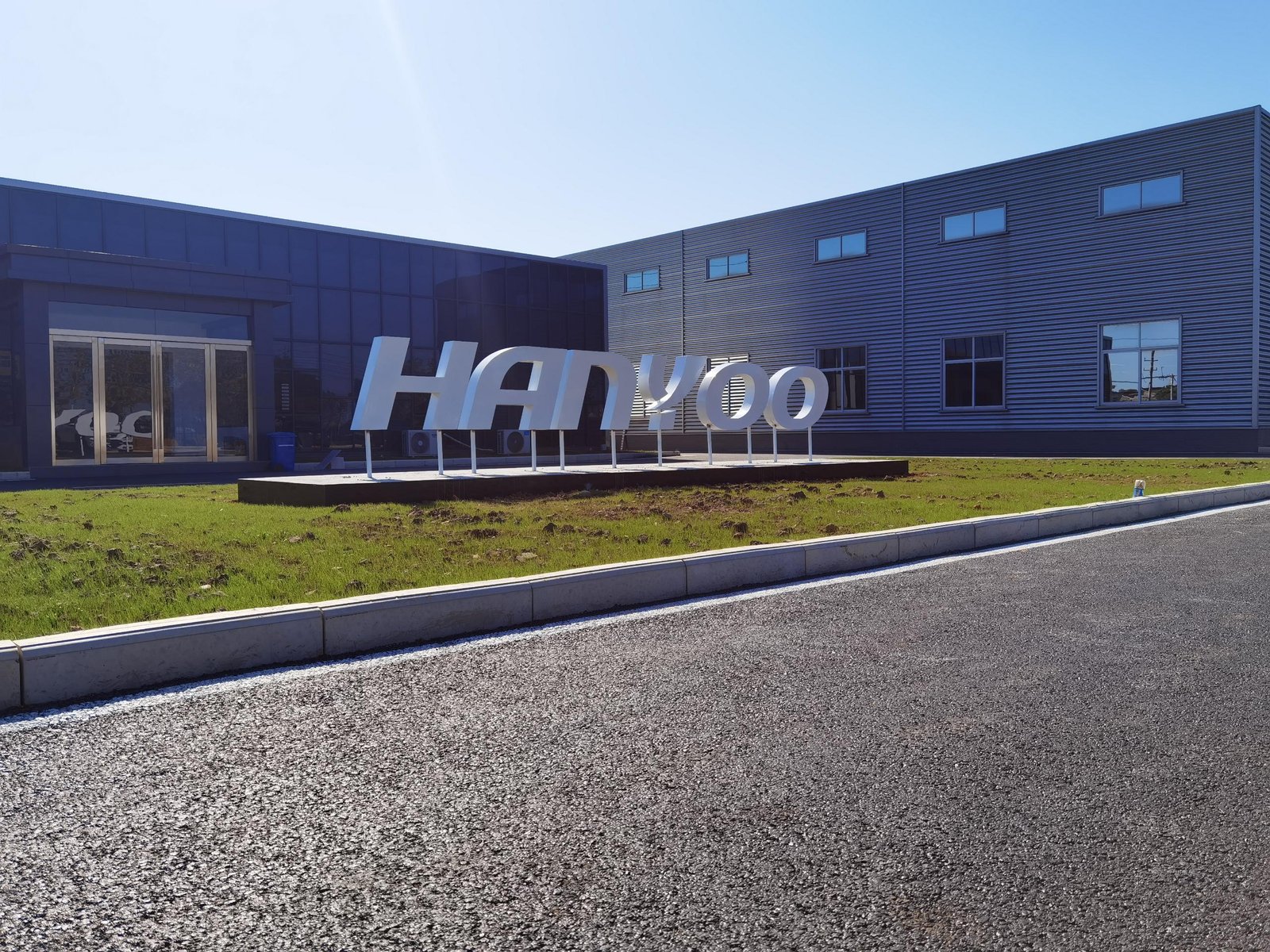
Hanyoo — Rewriting the Cost-Efficiency Equation Through Smart Technology
Where other brands compete on price, Hanyoo competes on technology premium. Their core models sit in the $25,000 to $40,000 range — slightly above entry level, but that gap is covered fast. Their integrated AI real-time pressure feedback system holds tablet uniformity to a demanding 99.5% consistency standard.
What Actually Makes Hanyoo Different
1. Modular Rotary Tooling Design
Traditional fixed-die setups lock you into one product. Hanyoo’s patented quick-change system flips that model entirely. An operator can switch out tooling in under 5 minutes — a genuine advantage when you’re running multiple SKUs through the same line. Maximum pressure output sits at 100 kN, supporting heavy-load production up to 500,000 tablets per day.
2. Intelligent GMP Environmental Monitoring
Built-in high-precision temperature and humidity sensors track real-time environmental impacts on tablet quality. The predictive shutdown alert system carries a 98% accuracy rate — meaning blocked dies from material clumping get flagged before they cause damage, not after.
Results That Actually Happened
- Case 1 — Jiangsu mid-size pharma: After replacing conventional rotary machines with Hanyoo’s smart system, blockage rates dropped from 15% to 1%. Overall line efficiency climbed 35%, and annual direct savings on maintenance and material waste hit $120,000.
- Case 2 — Guangdong nutraceutical exporter: Chronic delivery delays were eliminated after adopting Hanyoo automation. On-time delivery hit 100%, the investment was recovered within four months, and overseas order volume grew 40%.
2026 Procurement Strategy — How to Get the Most Out of Your Equipment Investment
Fast markets punish slow decisions. Here’s the practical playbook:
- Match capacity to reality first — Under 100,000 tablets per day? A cost-efficient entry-level auto machine does the job. Above that threshold, modular rotary capability becomes non-negotiable.
- Dig into supplier credibility — Prioritize vendors with on-time delivery rates above 95% and verifiable physical manufacturing infrastructure.
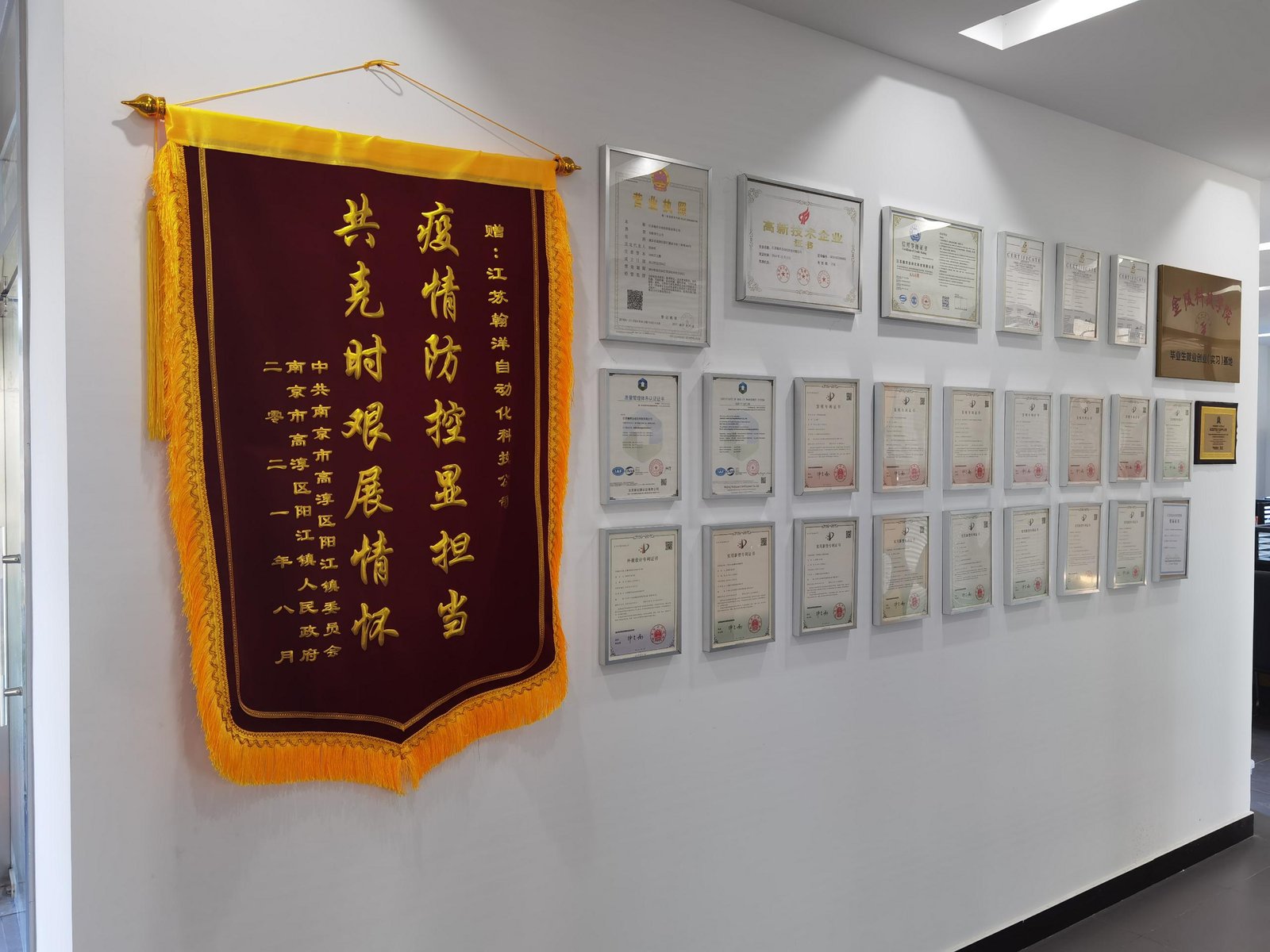
- Front-load your compliance review — Confirm GMP and ISO certification before signing anything. Retroactive compliance remediation can run up to $100,000 in rework costs.
- Run a physical pre-production test — Validate that tablet uniformity holds above 98% under real run conditions before committing to full-scale production.
The bottom line for 2026? Chasing the lowest price is a trap. So is overpaying for specs your production line doesn’t need. The real opportunity is reading the technology curve correctly — and knowing where China’s upgraded supply chain delivers genuine, compounding value.
FAQ
Q: Where does the pricing center of gravity sit for tablet presses in 2026?
The market is clearly bifurcated. Entry-level lab equipment starts around $7,400, while GMP-standard high-end automatic rotary machines cluster in the $42,000 to $50,000 range. Chinese suppliers have pushed the mid-tier value proposition to its current peak — if your budget falls between $15,000 and $30,000, the core industrial clusters in China are your strongest starting point.
Q: How do you filter for high-value automation partners among so many options?
Three metrics cut through the noise: on-time delivery rate (should exceed 97%), real manufacturing capability (think 5,000+ sqm factory footprint), and applied technology credentials — does the machine actually feature AI monitoring or a quick-change tooling system? Localized logistics support can also quietly shave 15% off your total hidden costs.
Q: Can budget-tier tablet presses realistically meet pharmaceutical compliance requirements?
Low-end machines in the $300 to $9,000 range are generally appropriate for food, nutraceutical, or cosmetic applications. For regulated pharmaceutical manufacturing, they typically lack the data tracking and pressure monitoring infrastructure that auditors expect. Long story short: the rework costs from a single non-conforming batch will almost always exceed whatever you saved on the machine upfront. For pharma clients, the intelligent mid-to-high-end segment is where the math actually works out.