
Pill Maker Machine Comparison: Top Brands, Specs & Selection Strategy
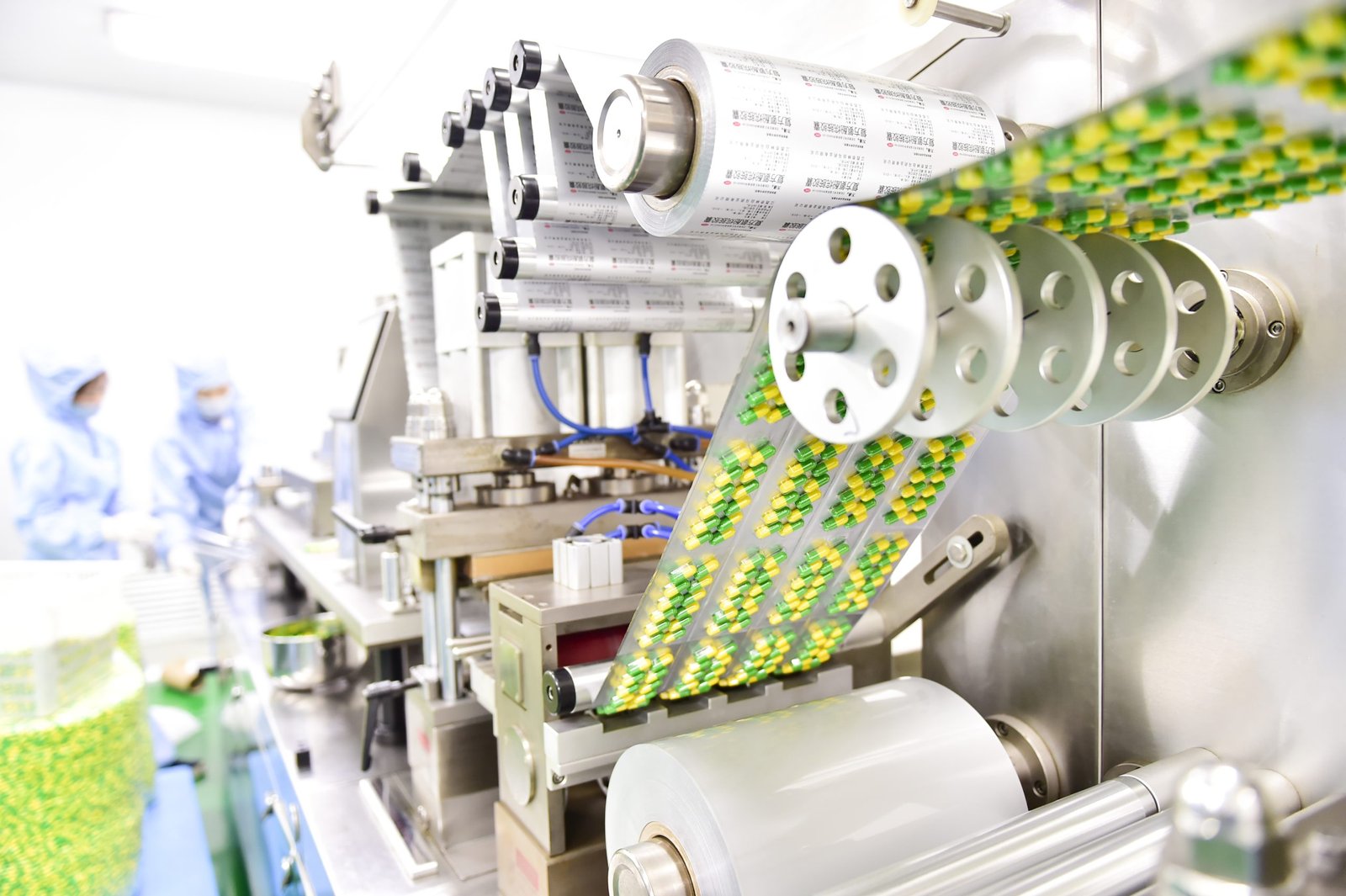
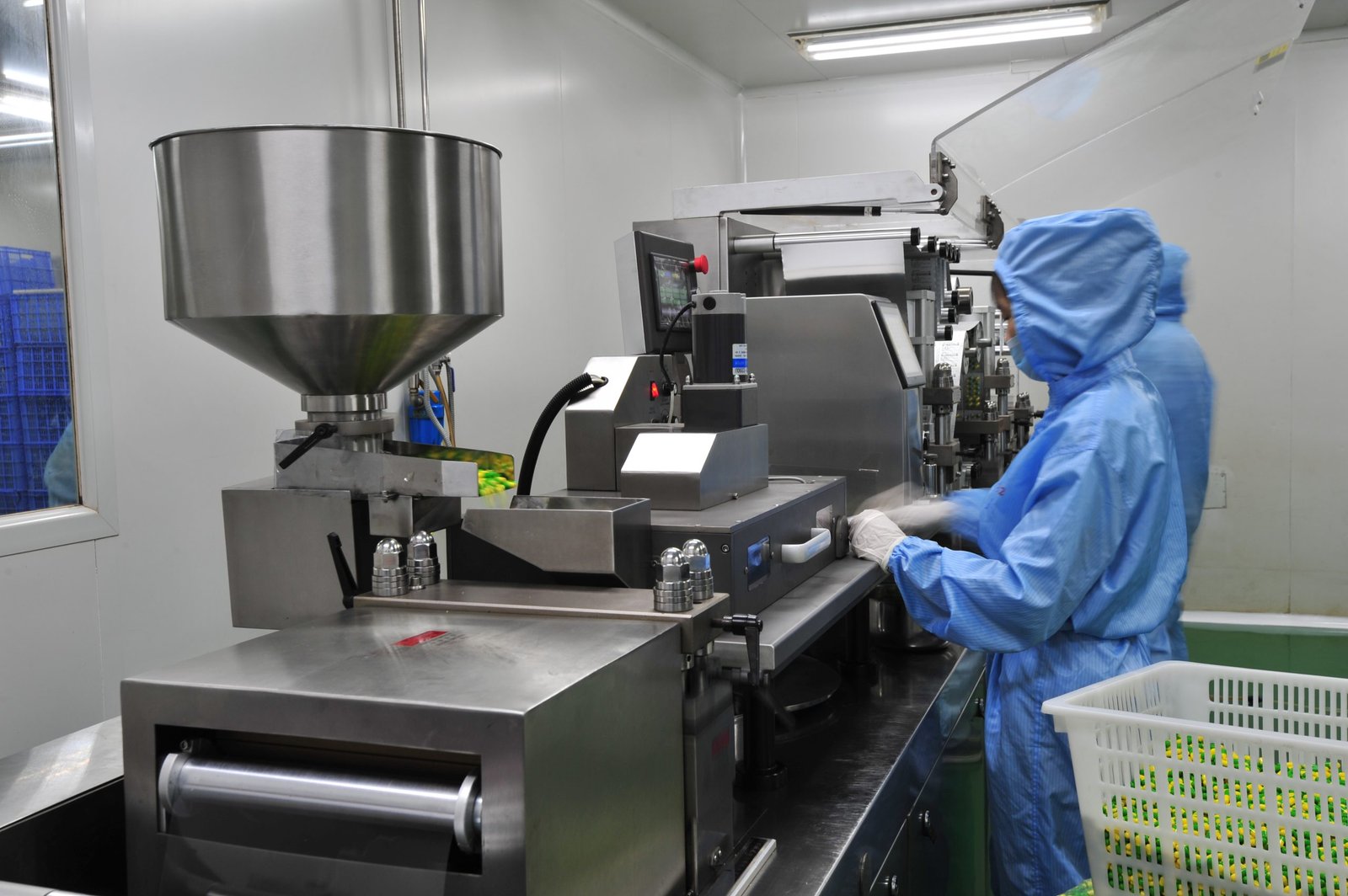
In pharmaceutical and nutraceutical manufacturing, the pill maker machine — capsule filling equipment — has become a core strategic asset. In 2026, the global capsule filling machine market is projected to surpass $1.9 billion, reaching $3.4 billion by 2036 at a 6.1% CAGR. Growth is driven by aging populations, expanding supplement demand, and stricter GMP compliance globally.[Source:https://www.futuremarketinsights.com/reports/capsule-filling-machines-market]
Automated pill maker machines now hold 58% market penetration, reflecting the industry’s push to eliminate manual variability. China and India lead Asia-Pacific growth at 6.8% and 7.2% CAGR respectively. The 2026 market is genuinely multi-polar — European technical leaders and competitive Asian suppliers are shaping it together.
How Automation and Modular Design Are Reshaping Production Performance
Intelligent Control: From Dosage Precision to Self-Diagnosing Fault Detection
Modern capsule filling has shifted from simply “filling” to precision control. Automated models command nearly 60% market share thanks to integrated closed-loop systems that hold dosage deviation within ±0.5%, significantly reducing costly API waste and improving production economics.
Industry Forecast: The Global Rise of Chinese Manufacturing and Deep AI Integration
Chinese pharmaceutical equipment brands are projected to reach 30%+ global market share by 2030, offering roughly 40% lower pricing than comparable European models. AI integration is rapidly becoming standard across the industry:
- Intelligent Dosage Calibration: Auto-adjusts fill parameters based on real-time material flow.
- Predictive Maintenance: Monitors bearing vibration and temperature to prevent unplanned downtime.
- Digital Twin Technology: Validates recipes virtually, roughly doubling changeover efficiency.
Strategic Equipment Selection Guide: Matching the Right Pill Maker Machine to Your Production Scale
Procurement Profiles: Different Decision Logic From Lab-Scale to Industrial Factory
Selecting a pill maker machine requires different priorities depending on company size.
- Startups and Small Lines (under 1B capsules/year): Budget and space are key constraints. Automated models at 30,000–120,000 capsules/hour offer strong ROI with payback under 12 months.
- Mid-Sized CMO/CDMO: Frequent formula switches make modular design essential. Tool-free die changeover reduces contamination risk and improves OEE.
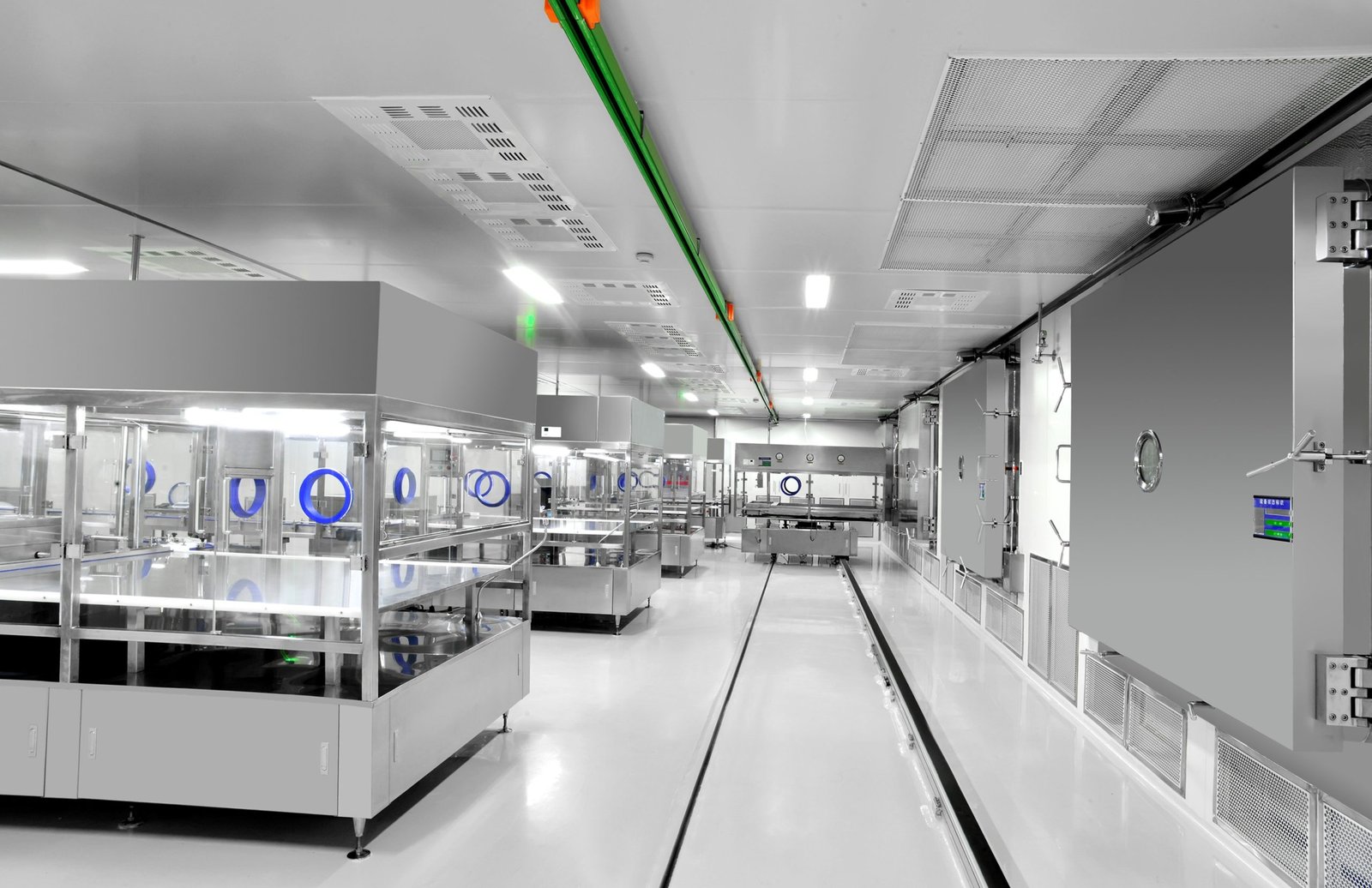
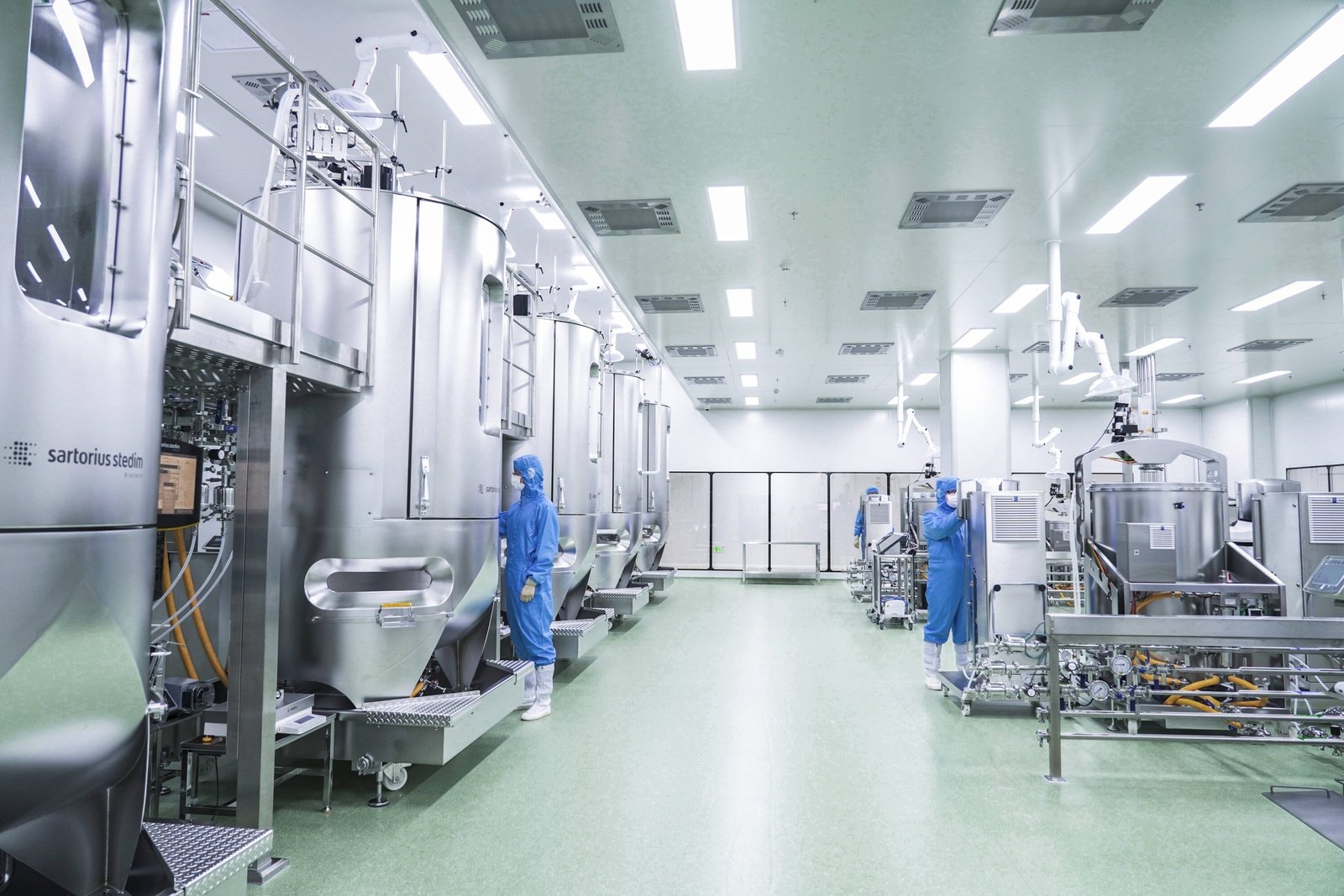
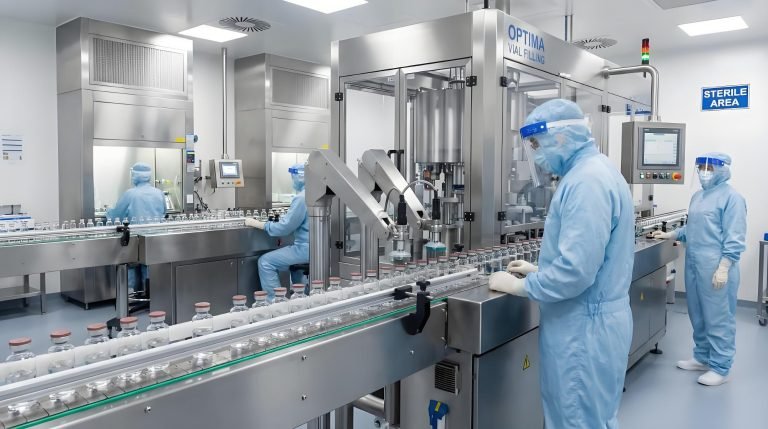
- Large Multinational Pharma: Ultra-high throughput and sterile filling capability are required. Equipment stability and global service network outweigh upfront cost.
Global Capsule Filling Machine Brand Comparison: Technical Specs and Value Positioning
| Brand / Series | Core Technical Advantage | Selection Considerations | Target Application | Investment Reference (USD) |
|---|---|---|---|---|
| Bosch (Syntegon) | Industry-benchmark AI-integrated precision control | High upfront cost; complex maintenance | Multinational pharma core lines | $200,000 – $500,000 |
| IMA S.p.A. | High-speed sterile filling, strong modular system | High technical barrier; longer spare parts lead times | Vaccine and biologic manufacturing | $150,000 – $400,000 |
| ACG Worldwide | Rapid changeover for nutraceuticals | Slower response for custom configurations | Nutritional supplement factories | $100,000 – $300,000 |
| MG2 S.r.l. | Compact design, 99.9% dosage accuracy | Lower capacity ceiling on premium models | Small to mid-sized precision pharma | $80,000 – $250,000 |
| Zhejiang Fuchang | Strong cost efficiency, popular in emerging markets | International compliance certification needs improvement | Startups and emerging market operations | $50,000 – $150,000 |
Conclusion
The 2026 capsule filling market offers real opportunity. Smart buyers should follow this logic:
- Capacity Planning First: Quantify future output needs upfront to avoid over-engineering or underestimating scale.
- Compliance Before Cost: Verify full regulatory certifications before purchase — retrofits after deployment are costly.
- Technical Benchmarking: Use live demos or video acceptance tests with your actual materials to measure reject rates and changeover time.
- Full-Cost Calculation: Factor in long-term energy consumption and spare parts availability — not just the sticker price.
The right equipment choice is more than a production upgrade — it’s a direct lever on your profit margin.
FAQ
Q: What’s a realistic budget for a mainstream automatic capsule filling machine in 2026?
A: For ~1 billion capsules/year, entry-level automated models run $80,000–$150,000. Top-tier sterile models from Bosch or IMA range from $250,000–$500,000. Hanyoo’s mid-to-high-end solutions deliver comparable precision at a significantly lower investment.
Q: How do you evaluate the real value of automation in a pill maker machine?
A: Focus on three metrics: fill precision stability (dosage fluctuation consistently within ±0.5%), changeover agility (shorter downtime = higher OEE), and digital integration (seamless compatibility with your existing MES system).
Q: How do Chinese-manufactured machines perform under FDA audit scrutiny?
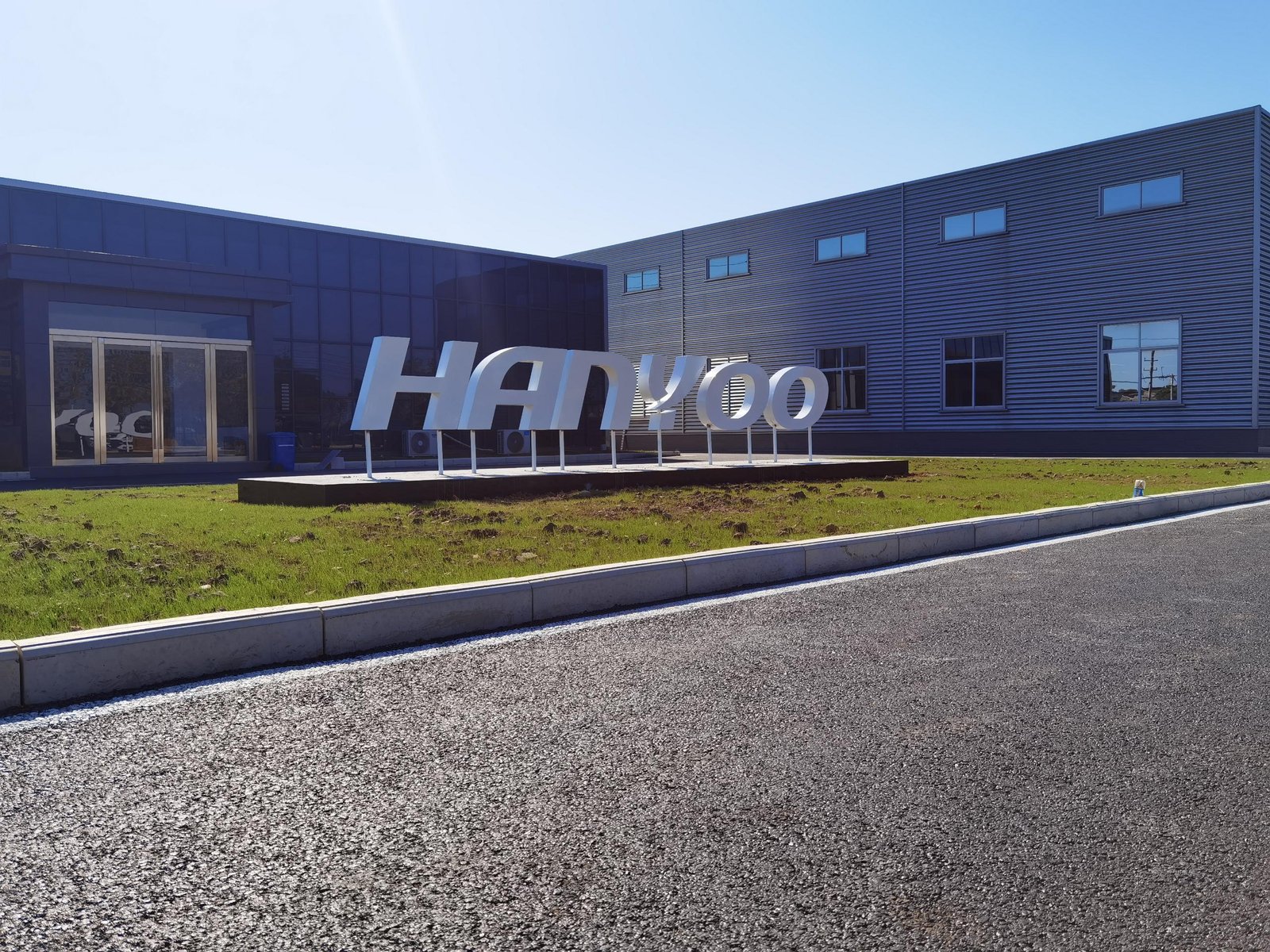
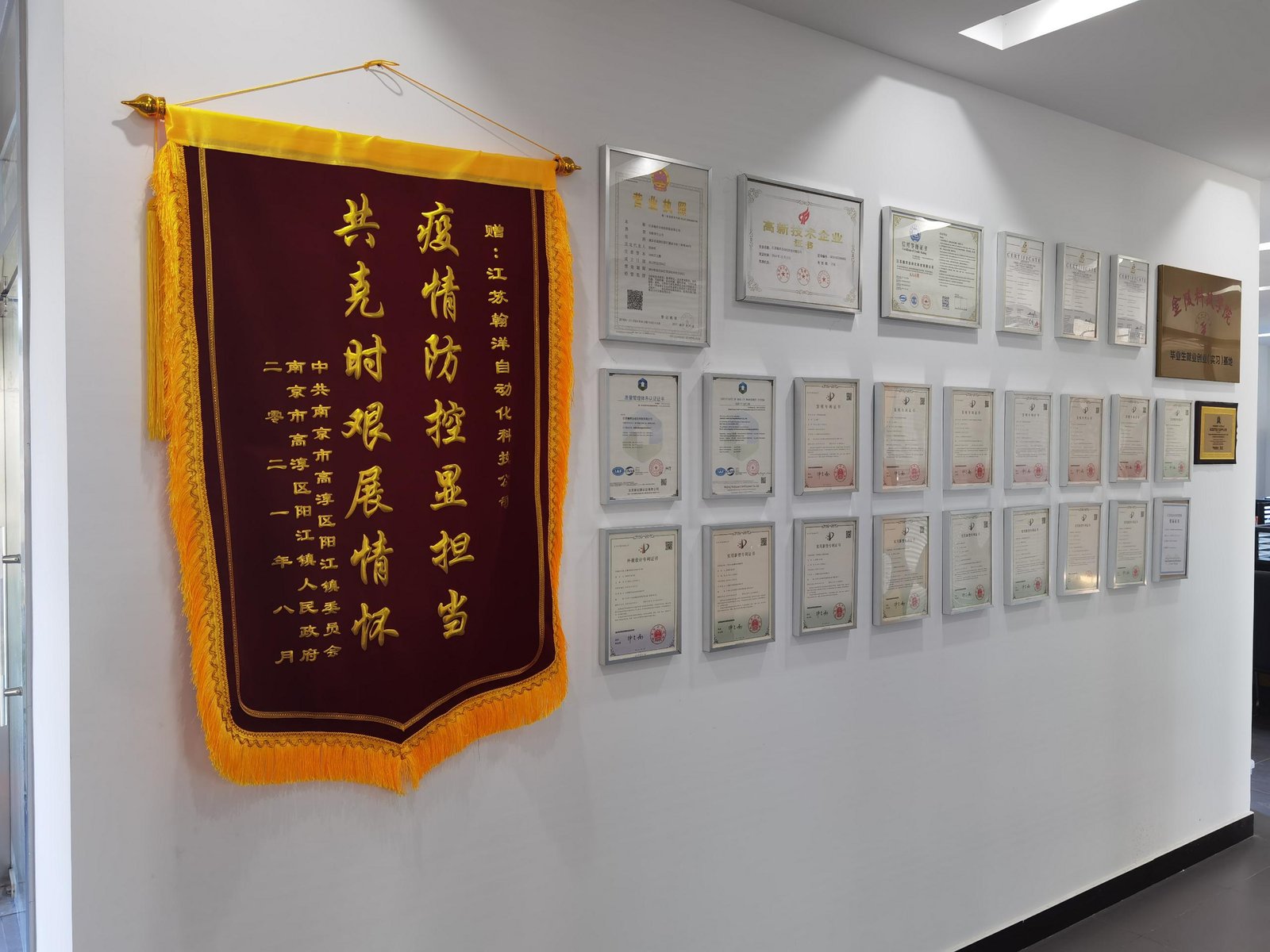
A: Mid-to-high-end Chinese manufacturers like Hanyoo now align fully with international standards. With proper MOC certificates, validation documents, and traceable parts lists, Chinese-made equipment can pass FDA or EU-GMP audits without issue. The compliance gap from five years ago has largely closed.