
Tablet Compression Machine Application: Smart Buying Guide for Pharma Manufacturers
The global biopharma industry is restructuring. Tablet compression machine application has moved beyond capacity expansion into intelligent, data-driven manufacturing — and the shift is accelerating.
By 2025, the global tablet press market exceeded $1.5 billion, with a 5.3% CAGR projected through 2034 and a potential value of $2.6 billion by 2035. The deeper story: production logic is shifting from isolated batch setups toward high-automation rotary compression lines built for continuous flow.
Two forces are colliding. Precision medicine demands individualized formulations. Nutraceuticals are expanding faster than most procurement teams anticipate. In this environment, your machine’s tooling options, automation depth, and hourly output are strategic variables — not just spec sheet entries.
The legacy batch model is showing cracks. High-integration continuous systems can cut non-productive downtime by over 30%. Rigorous equipment selection is no longer optional — it’s table stakes.
Section 1: Core Trends — Continuous Manufacturing and AI-Driven Automation
1.1 Continuous Manufacturing: The Shift From Batch to Flow
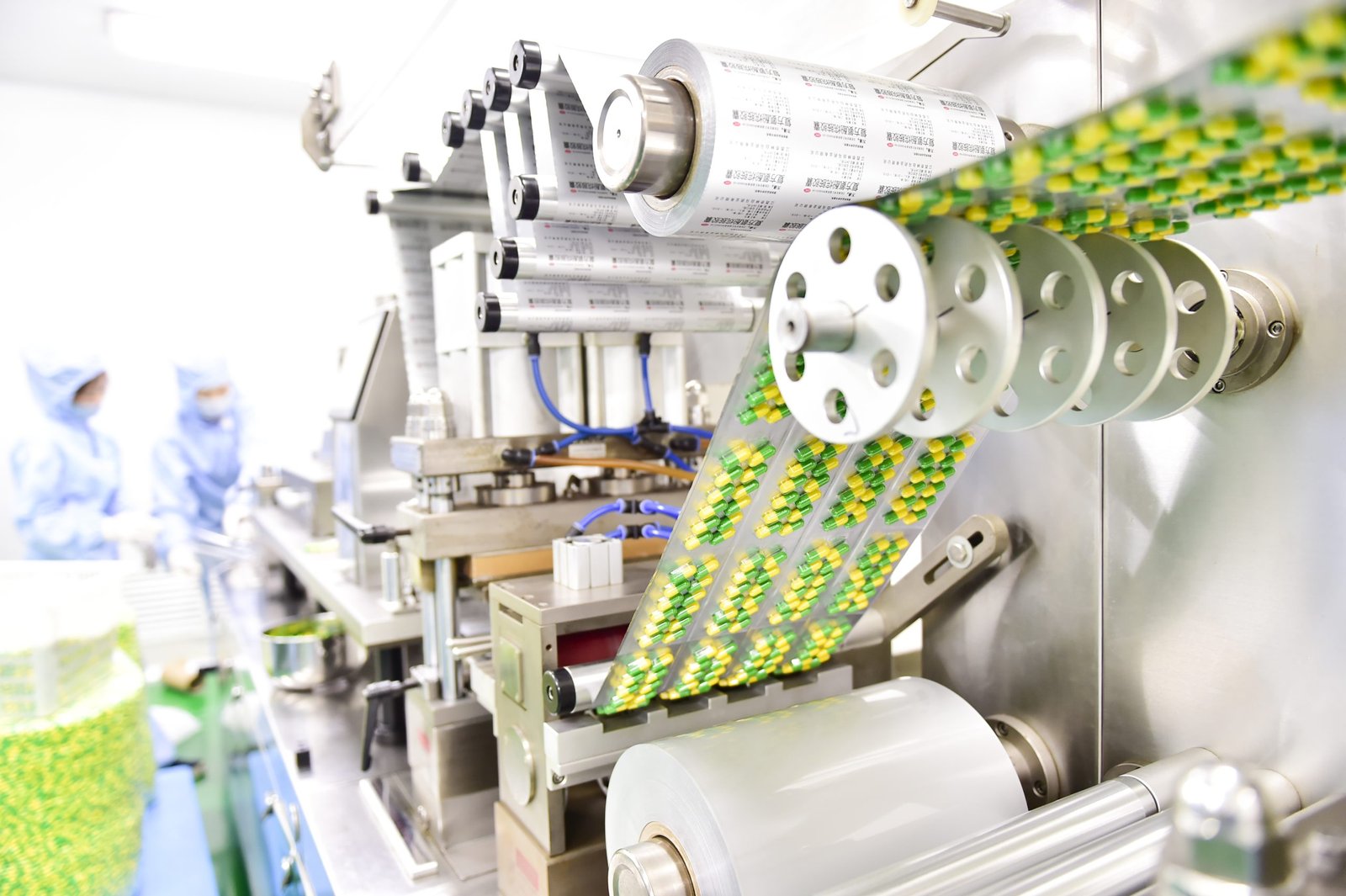
The center of gravity in tablet compression machine application has decisively shifted toward end-to-end intelligent integration across the full production chain.
Continuous manufacturing delivers consistent tablet hardness, friability, and dissolution while improving production efficiency by 20–30%. Single-station presses still suit R&D. But at commercial scale, multi-station rotary presses are dominant — and that won’t change.
1.2 Industry 4.0 Integration: What Smart Automation Looks Like in Practice
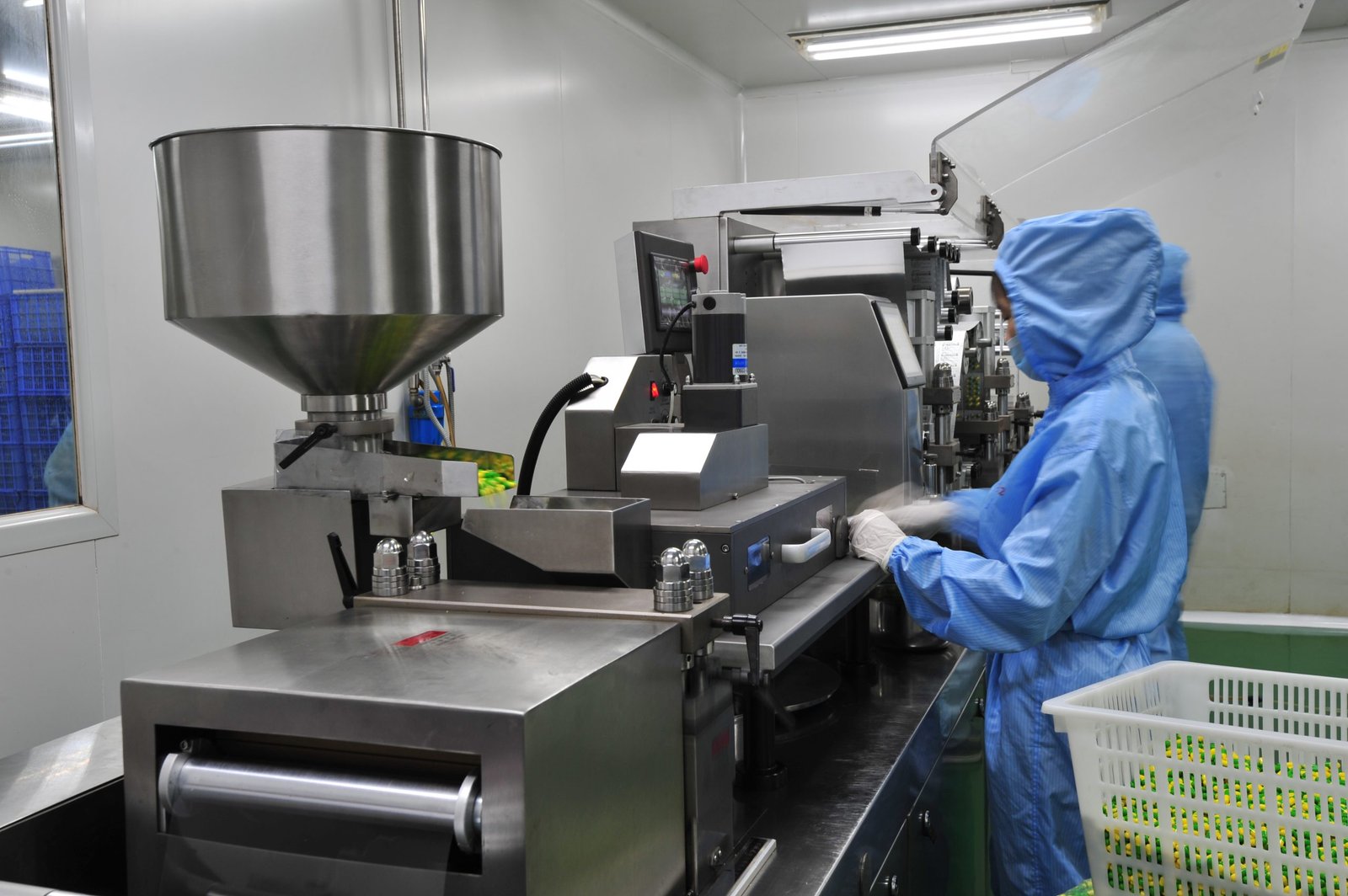
By 2025, fully automated tablet compression equipment holds nearly 50% of global market share, driven by optimized HMI design and deep IIoT connectivity.
The KORSCH X3 delivers 264,000 tablets per hour, supports high-containment operation, and features rapid turret exchange for fast changeovers. Fette Compacting offers continuous platforms certified for GMP cleanrooms, co-developed with CDMOs where every minute of downtime has a direct revenue cost.
1.3 Precision Sensing and Predictive Maintenance: The Next Baseline
Real-time compression force monitoring, automatic weight compensation, and thickness feedback are now baseline expectations on modern high-end presses.
Multi-station rotary machines (10–30 stations) are growing at 5.4% CAGR. By 2030, 80% of tablet compression equipment is expected to carry AI fault prediction, targeting a 35% reduction in unplanned downtime.
Section 2: Buyer Segmentation and Equipment Selection Logic
2.1 Matching Equipment to Production Scale
Small-to-Mid Pharma and Labs — Annual Output Under 1 Million Tablets
Core priority: Capital expenditure control and floor space efficiency.
A compact multi-station or capable single-station press fits this stage. Standard automation — auto powder feeding, overpressure protection — is sufficient. Target 5,000–20,000 tablets per hour. Durability and compliance readiness are the real decision criteria.
Fast-Growth Operations — 1 to 5 Million Tablets Per Year
Core priority: Production flexibility and changeover efficiency.
Evaluate rotary presses with quick-changeover engineering. Target 50,000–150,000 tablets per hour with multi-layer support. At this scale, IIoT real-time monitoring becomes an operational necessity — don’t skip it.
Large Pharma Groups and CDMO Majors — Over 5 Million Tablets Per Year
Core priority: Continuous manufacturing capability and full lifecycle management.
You need systems capable of over 200,000 tablets per hour with GMP high-containment compliance. AI predictive maintenance is an expected feature. The three non-negotiables: product consistency, data integrity, and energy efficiency.
2.2 2026 Brand Competitive Comparison — Technical Specs and Applications
| Brand / Model | Core Strength | Key Consideration | Best Fit | Estimated Budget (USD) |
|---|---|---|---|---|
| KORSCH X3 | Peak output (264k+ tabs/hr), high containment, modular turret design | High upfront cost, complex service agreements | Large-scale continuous production, high-grade GMP facilities | $300,000 – $500,000 |
| Fette Compacting (Continuous Platform) | Superior IIoT integration, self-correction capability, cleanroom-certified | Long integration timeline, significant footprint requirements | Mid-to-large custom multi-product lines | $400,000 – $600,000 |
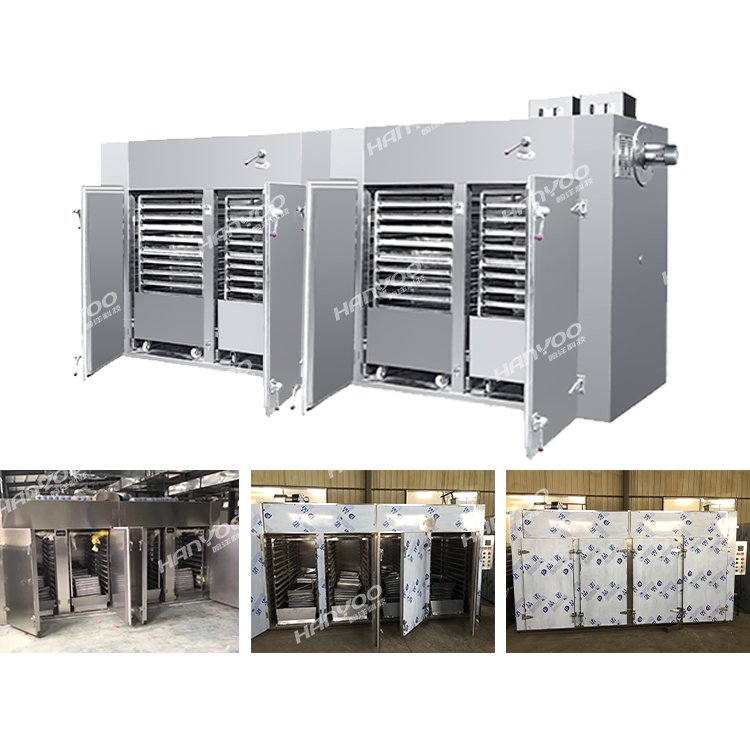
| Rotary Multi-Station (Hanyoo HY-35) | Strong cost-performance ratio, solid sensor monitoring, mainstream-spec compliant | Vibration control at peak speeds needs optimization | Mid-volume commercial production runs | $100,000 – $250,000 |
| High-Precision Single-Station | Highly flexible tooling, ideal for niche or specialized formulations | Output ceiling under 20k tablets/hr | Drug R&D, startup clinical sample batches | $20,000 – $50,000 |
Section 3: 2026 Strategic Action Plan for Procurement Decision-Makers
If you’re evaluating your tablet compression line right now, follow this practical sequence:
- Map your capacity gap precisely. Use three-year projections to calculate your real production shortfall. Decide whether one high-output machine or a flexible fleet of mid-range units fits better — they produce very different ROI profiles.
- Run a deep technical spec audit. Verify pre-compression force, main compression stability, and tablet weight accuracy (±0.5% or tighter). Don’t let a sales pitch replace spec verification.
- Audit compliance and digital readiness together. GMP and FDA alignment is obvious. Also confirm 21 CFR Part 11-compatible electronic records — data integrity audits are coming sooner than most teams expect.
- Model ROI beyond the sticker price. Factor in downtime reduction and lower reject rates. High-performance equipment should deliver an ROI recovery period of 12–18 months. If the numbers don’t support that, revisit the spec.
- Stress-test the after-sales chain. Verify lead times for critical parts — punches, dies, control boards. A well-engineered machine with a six-week parts delay is an operational liability.
FAQ
Q: How does automation level contribute to regulatory compliance?
Automation removes human-intervention risk from the data trail. Systems like the Hanyoo HY series log the compression force curve for every tablet in real time, directly satisfying FDA documentation requirements. Auto-rejection of out-of-spec tablets cuts reject rates by over 1% — modest individually, but a measurable cost reduction at commercial scale.
Q: How do you balance upfront cost against capability when selecting a tablet press in 2026?
Use a right-sized approach. For non-critical lines, a press in the $150,000–$200,000 range covers 80% of routine needs. For high-value products, invest in predictive maintenance capability. The metric that matters is cost per tablet produced — a 30% downtime reduction often makes a 50% pricier machine cheaper within two years.
Q: What’s the real hard problem in continuous manufacturing at the compression stage?
Material flow consistency. The tablet press must exchange live data with upstream blending and granulation equipment — any lag disrupts the entire chain. The most effective solution is an integrated sensor array adjusting flow rate and compression parameters in real time. When planning full-plant automation, open IIoT interfaces on your tablet press aren’t negotiable — they’re the architectural foundation everything else depends on.