
Capsule Filling Machine Price: Full Breakdown by Type, Brand & Scale
In today’s pharma and nutraceutical supply chains, capsule filling machine price is a key metric for production efficiency and ROI. With TCM modernization accelerating and dietary supplement demand surging, the capsule filling equipment market is projected to reach $15 billion by 2026 at a 7.1% CAGR.[Source:https://www.grandviewresearch.com/industry-analysis/capsule-filling-machines-market]
The pricing landscape is wildly fragmented — from manual lab molds for a few hundred dollars to fully automated lines pushing six figures. Underbuy and you hit a capacity ceiling fast. Overbuy and you’re paying for unneeded automation. Without clarity on cost structure and specs, maintenance costs spiral out of control.
Capsule Filling Machine Price Trends
Pricing a capsule filling machine is about matching your capacity curve to compliance cost — and getting that right from day one.
Why Automation Is Replacing Manual Equipment Structurally
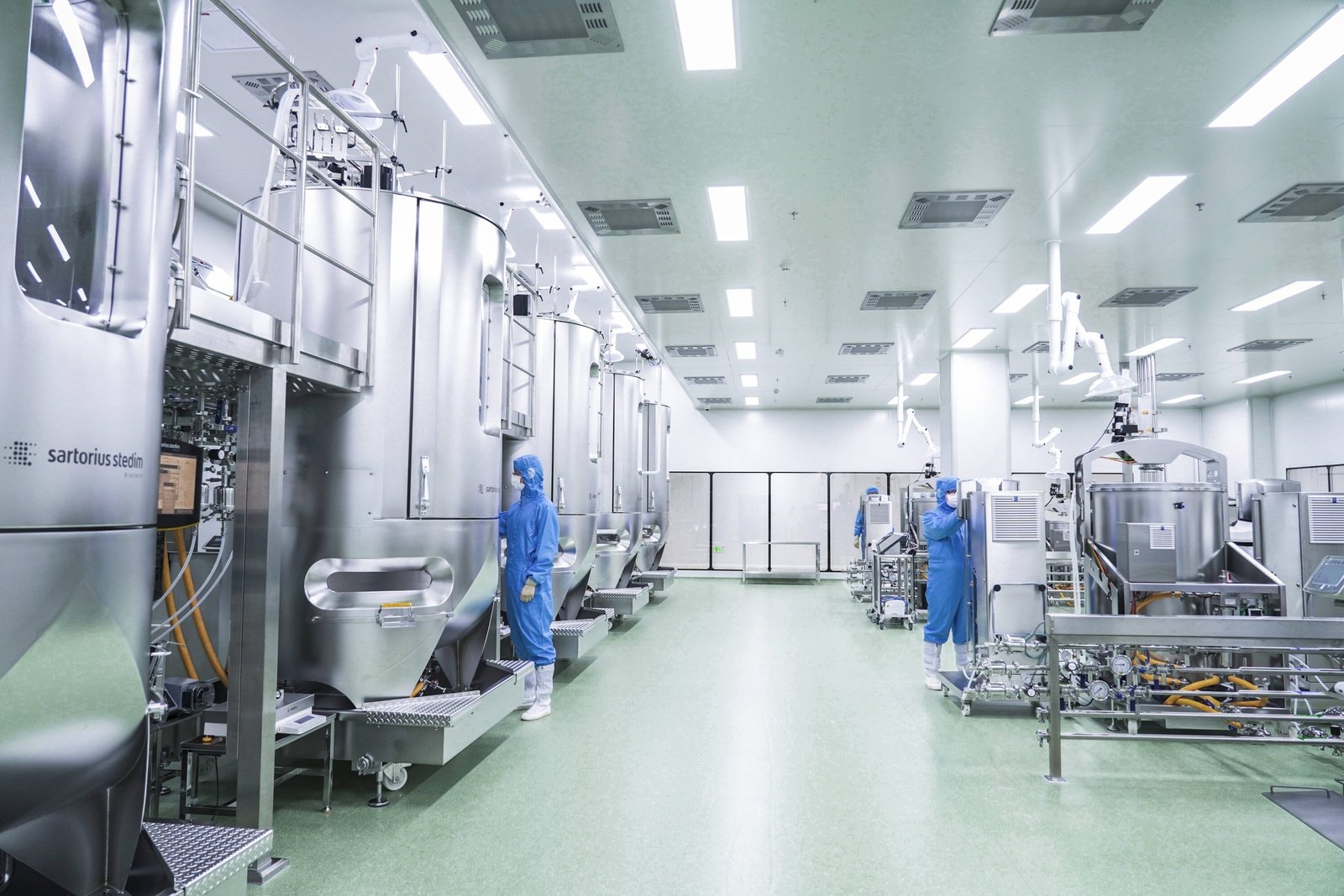
The market is shifting structurally from manual to fully automated. Manual machines still hold roughly 30% of the entry-level market, but their output ceiling can’t keep pace with tightening regulations. FDA and GMP standards now require fill accuracy above 99.8% — making full automation a hard requirement, not a luxury.
What’s Driving the Market Through 2028
By 2028, fully automated machines are expected to hold over 65% of global market share, driven by three forces:
- Rising labor costs — automation is the most direct offset against climbing pharmaceutical labor expenses.
- AI and precision control — flagship models like the NJP-1200 now deliver 1,200 capsules per minute with a 99.99% pass rate via intelligent monitoring and vision-based rejection.
- Dosage form diversification — liquid capsule filling demand is growing 18% annually, with premium units around $59,000 pulling significant capital into the segment. [Source:https://www.who.int/publications/i/item/9789240051272]
Buying Pain Points by Company Size — and How to Solve Them
- Startups and labs (< 10,000 capsules/day): Budget is tight, and manual ops rarely pass compliance audits.
- Strategy: Choose a quality metal manual plate or small semi-auto unit. Keep capsule filling machine price under $800. Prioritize material quality and cleanability.
- Mid-size nutraceutical manufacturers (10,000–50,000 capsules/day): Scale-up mode — the main pain is precision drift at higher speeds.
- Strategy: Look at the ProFiller or LE series. Budget $1,200 to $5,000, and test capsule size changeover speed (00# through 4#).
- Large pharma and contract manufacturers (> 50,000 capsules/day): Downtime and compliance are everything.
- Strategy: Full-auto NJP series from $18,000. Energy savings and reduced material waste typically deliver an ROI in 8–12 months.
2026 Brand and Model Price-Performance Matrix
| Brand / Series | Core Strengths | Weak Points | Best Fit | Est. Price Range (USD) |
|---|---|---|---|---|
| NJP Series (400/1200) | 99.99% fill accuracy, full closed-loop automation, strong value | Requires experienced operators | Scale-up pharma plants, export manufacturers | $6,800 – $20,000 |
| ProFiller (1100/3600) | American-engineered, easy to use, quick multi-SKU changeover | Not fully automatic, output ceiling limited | Mid-size labs, supplement manufacturers | $1,199 – $4,875 |
| Feton (CP60) | Compact desktop footprint, minimal learning curve | High manual involvement, not suitable for industrial scale | Pharmacies, R&D labs | $700 – $900 |
| CECLE (Full Range) | Wide product lineup, mature liquid filling technology | Overseas after-sales largely remote-only | Small-to-mid export businesses | $800 – $59,000 |
| LE Series | All-metal durability, meaningful semi-auto upgrade | Manual powder loading, dust control can be challenging | Small nutraceutical processors | $1,000 – $2,500 |
A Smarter Alternative for Global Buyers
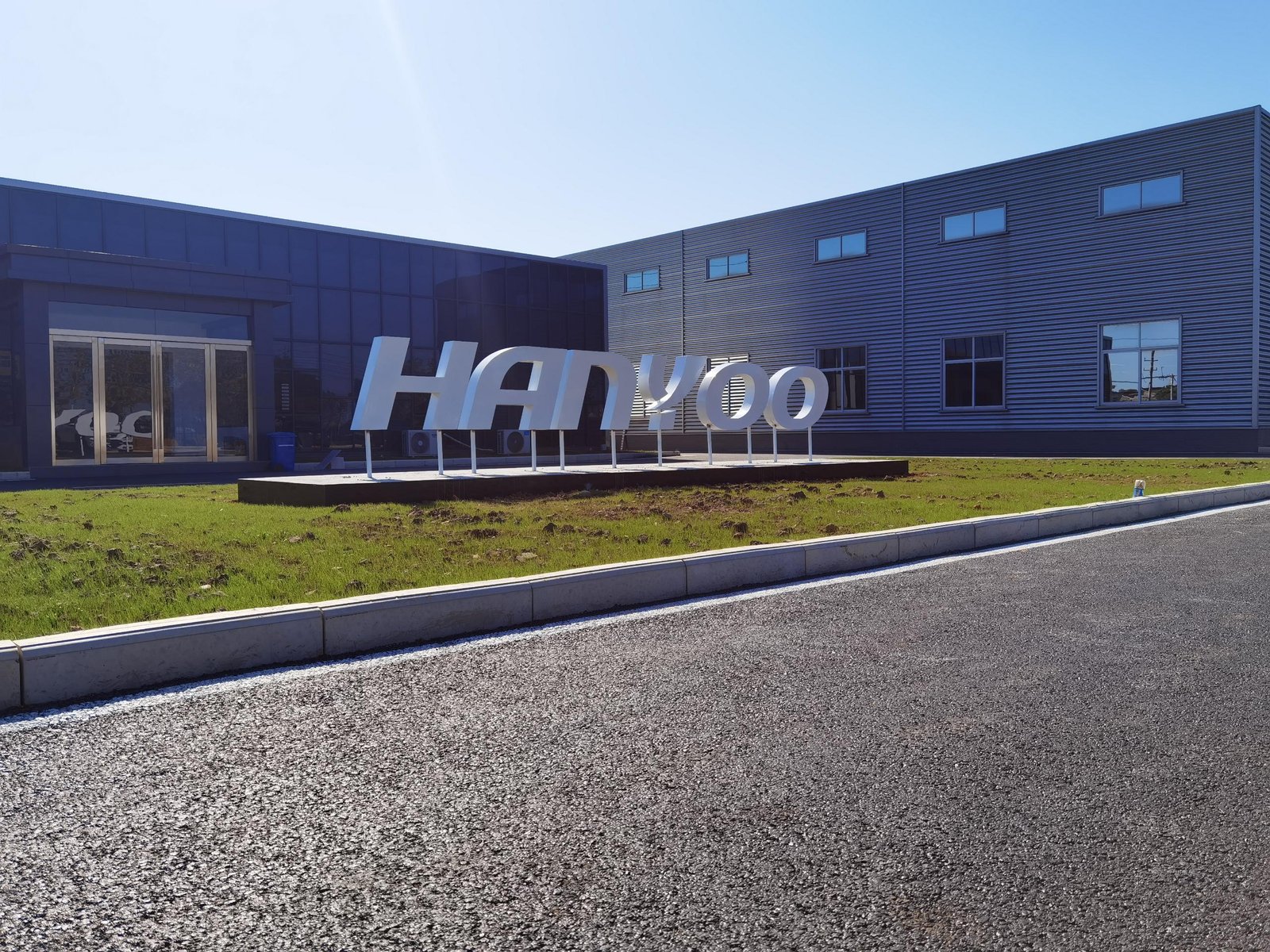
The market has a persistent gap: high-precision equipment is overpriced; budget equipment lacks support. Hanyoo Pharmaceutical Machinery occupies the middle ground — intentionally.
Through supply chain optimization and continuous R&D, Hanyoo delivers competitive value in the mid-to-high capsule filling machine price range across four key areas:
- Zero-risk separation — proprietary modular separation achieves a 99.99% rate; AI-assisted calibration cuts changeover time by 20%, directly boosting line utilization.
- Global service network — a dual-track “video + on-site” support system across 50 countries reduces average maintenance costs by over 35%.
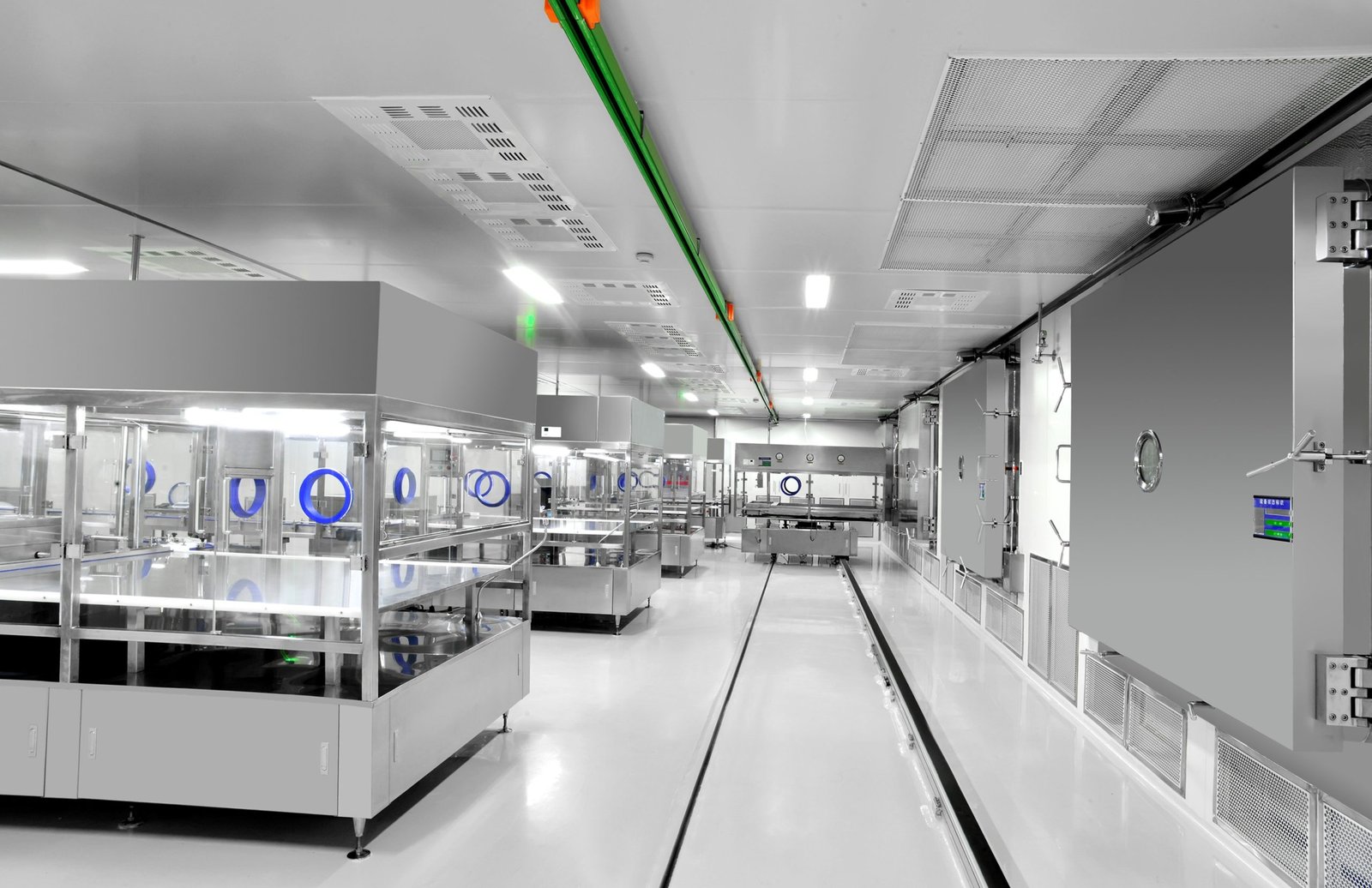
- Dual-fill compatibility — liquid and powder in one machine. Built-in vacuum pump ensures zero drip on oil-based fills, eliminating the need for a separate liquid filling unit.
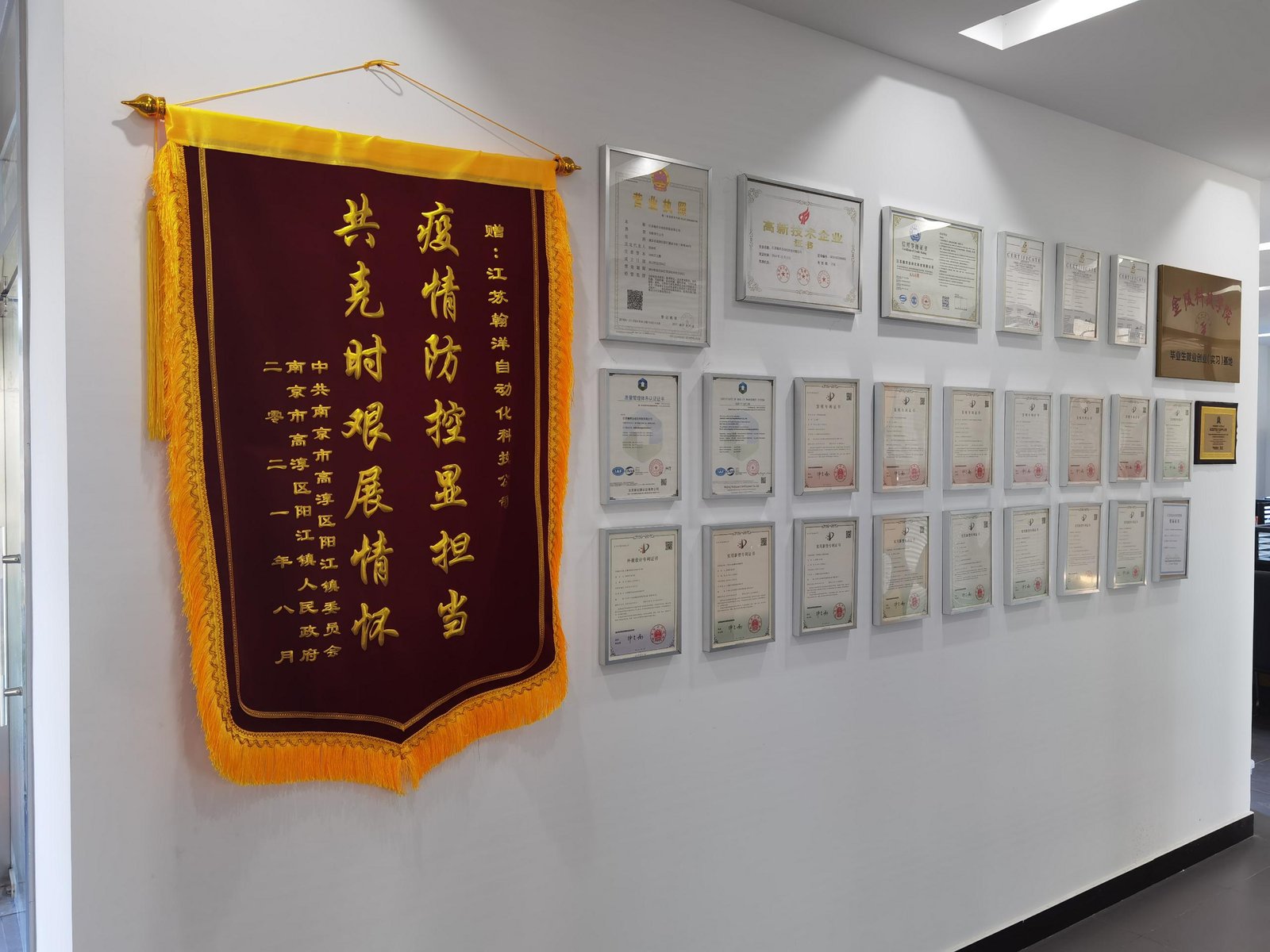
- Compliance-ready construction — full 316L pharmaceutical-grade stainless steel, GMP/FDA compliant. Variable-frequency motor cuts energy use by 30% at equivalent output.
Real-world result: US supplement brand NutriMax switched to the Hanyoo NJP-800 and cut line downtime from 15% to under 3%, saving over $12,000 annually in maintenance and material waste.
Final Thoughts
A smart capsule filling machine price decision is about building a financially sound case — not finding the cheapest option.
- Size for growth — use “current daily output × 1.2” as your baseline speed requirement.
- Audit the full quote — demand itemized pricing covering spare parts, training, and software updates. Hidden costs break budgets.
- Demand a live demo — request video testing with your specific capsule size; watch for stability at high speed.
- Run the ROI math — formula: Total cost ÷ (Capacity gain − Maintenance cost). Prioritize payback under 12 months.
- Lock in service terms — get spare part availability and response times in writing before signing.
FAQ
Q: What’s a realistic starting price for a fully automatic capsule filling machine in 2026?
A CE/GMP-certified entry-level full-auto unit like the NJP-400 runs $6,800–$8,500 FOB. Anything marketed as “fully automatic” below that range almost always compromises on materials or control systems — be skeptical.
Q: Why do Chinese-made capsule filling machines tend to be significantly cheaper?
Mature industrial clustering and efficient supply chains let leading Chinese brands match European/American fill accuracy standards — ±0.5% — while cutting acquisition costs by 30–50%. R&D iteration on full-auto models out of China is also moving faster right now.
Q: Why does liquid capsule filling equipment cost so much more than powder machines?
Liquid filling demands complex injection control, vacuum sealing, and anti-drip technology. High-value oils can’t be wasted or contaminate capsule exteriors — requiring higher-spec sensors and servo systems throughout. Premium liquid units typically start at $50,000+.