
V Blender Powder Brand Guide: Suppliers & Buying Tips
The global V blender powder equipment market is in a strong growth phase, driven by technology upgrades. Industry forecasts show the V-shaped dry powder mixer market at $1.93 billion in 2025, rising to $2.03 billion in 2026. As manufacturing demands greater precision, this segment is expected to grow at a 5.34% CAGR and reach $2.78 billion by 2032. In the wider powder mixing equipment industry, the market already reached $11.5 billion in 2024, with annual growth at 7.2%.
These figures show more than market expansion. They signal that pharmaceutical, food, and fine chemical companies now see high-precision mixing as essential. Yet buyers still face a major challenge: a crowded market, confusing specifications, and uneven supplier quality. The key question is simple: how do you choose a V blender powder supplier that meets process requirements and delivers long-term ROI?
This guide avoids sales language and looks at the market from three angles: industry basics, global competition, and buyer priorities.
Powder Processing in 2026: Why V-Type Mixers Still Hold the Core Position
The geometric advantage of the V-shape design remains difficult to replace.
Among powder mixing systems, the V-type mixer still leads the mid-to-high-end market because its symmetrical chamber works well. It reduces material damage during mixing, protects fragile particles, and maintains strong uniformity even when particle size and density differ.
Compared with ribbon blenders or simple rotating drums, the V-shape design performs especially well in demanding uses:
- Biopharmaceuticals: For active powders, tablet premixes, and herbal granules, blending uniformity can stay above 99.5%, helping prevent dosage variation.
- Premium food processing: For seasoning powders and advanced nutrition blends, it helps avoid additive buildup and formula separation.
- Advanced materials: In pigments, electronic ceramics, and specialty metal powders, it supports tighter particle consistency.
That is why demand remains strong. Growth is coming from real process needs, not hype.
Global V Blender Powder Competition: How Zhanghua Compares with Leading Brands
Based on the current supplier landscape, major V blender powder players can be grouped as follows.
| Brand / Supplier | Core Strengths | Main Limitations | Best-Fit Scenario | Estimated Price Range (USD) |
|---|---|---|---|---|
| Zhanghua | Strong powder-mixing experience, solid R&D, flexible customization, mature food-grade solutions, fast response | Shorter history in premium global markets, overseas service network still growing | Mid-sized and large processors needing scale and customization | $25,000 – $80,000 |
| Blendtec | Long technical history, strong brand premium, broad global certifications | High upfront cost, more standardized lines, less flexible for niche needs | Global pharma groups with strict accuracy needs and larger budgets | $60,000 – $150,000+ |
| General Manufacturers | Low prices, short lead times, easier local service | Less stable quality, uncertain durability, weak brand value | Small and mid-sized basic processing with limited budgets | $15,000 – $50,000 |
A practical sourcing logic looks like this:
Large global pharmaceutical companies often prefer brands like Blendtec for certifications and brand security. Regional leaders, however, are increasingly choosing technical specialists like Zhanghua because the balance of expertise and value is more attractive.
Precision Buying Guide: How Production Scale Changes Equipment Priorities
In actual procurement, production scale shapes priorities. Different companies focus on different issues.
- Small companies (annual capacity below 500 tons):
These buyers focus on safe upfront investment. Budgets are often below $40,000, so they prefer compact machines with simple design, easy maintenance, and a small footprint. - Mid-sized companies (annual capacity 500-5,000 tons):
This is the most active buyer group. Their main concern is batch consistency. Even a 2% scrap rate can damage margins. They need over 99% mixing uniformity, automation-ready interfaces, and stable operation. Zhanghua is often a strong fit because of its process expertise. - Large groups (annual capacity above 5,000 tons):
These buyers are deep into digital transformation. For them, mixer selection is also about system integration. They need smooth links with MES and ERP, plus modular design, remote monitoring, and strict FDA/GMP compliance.
Why Zhanghua Stands Out: Balancing Precision and Cost in a Smarter Way
As a powder-mixing specialist, Zhanghua has built its position on three clear strengths.
1. Deeper vertical expertise than general machinery makers
Unlike broad industrial equipment suppliers, Zhanghua stays focused on food-grade V-type mixers and dry powder precision blending. This gives it stronger capability in hygienic design, flow optimization, and material selection.
2. Faster customization than global standardized brands
Large international brands often rely on fixed production systems, which slows custom projects. Lead times of 8 to 12 weeks are common. Zhanghua is more agile and can adapt equipment to powder flow, plant height limits, and output changes within 4 to 6 weeks.
Real-world example:
A mid-sized seasoning powder producer once used a traditional horizontal mixer and achieved only 94% uniformity. Monthly scrap losses from color and taste deviation reached $180,000. After switching to a Zhanghua V-type mixing solution, uniformity increased to 99.2%, and scrap dropped below 0.5%. The company recovered about $120,000 in annual material losses and gained 15% more output by reducing maintenance downtime.
3. Strong focus on full-lifecycle ROI
By keeping key components such as gearboxes, motors, and seals aligned with global standards, Zhanghua can usually cut total purchase cost by more than 30%. For buyers seeking stronger asset returns, this is a compelling advantage.
Market Outlook, 2026-2032: The Next Strategic Signals for V Blender Powder Equipment
Trend 1: Deeper integration of digital tools and smart monitoring
Future V blender powder systems will become connected production nodes, not just mixers. Smart models with adaptive feeding, endpoint detection, and traceable process data may account for more than 35% of new orders within three years.
Trend 2: Environmental compliance and energy efficiency will become non-negotiable
As global ESG rules strengthen, low noise, zero dust leakage, and energy-saving motors will become standard requirements. In Europe and North America, they may become basic entry conditions. Brands with advanced sealing technology should benefit most.
Trend 3: Regional specialist brands are entering a key international expansion phase
Specialist suppliers like Zhanghua are expanding beyond home markets through international certifications and overseas service stations. From 2026, Asia-Pacific professional brands are expected to move more aggressively into Western markets.
Practical Procurement Advice
- Set the right priority order first:
Be clear on whether your process must meet FDA or GMP standards. If so, make compliance your first filter. - Buy based on proof, not promises:
Ask suppliers for at least three real mixing reports from similar powder applications. Also review MTBF data before deciding. - Think bigger than purchase price:
The machine price is usually only about 60% of lifecycle cost. Energy use, wear-part replacement, and downtime losses matter too. In many cases, a Zhanghua solution can cut total TCO by about 20% compared with top imported systems.
FAQ
Q: What is the benchmark market price for V blender powder equipment in 2026?
A: Pricing depends heavily on size and configuration. Lab-scale systems usually range from $5,000 to $15,000. Mainstream industrial units in the 50L to 200L range often cost $25,000 to $80,000. For automated systems above 500L, budgets typically reach $80,000 to $200,000+.
Q: Is there a major technical gap between Zhanghua and Blendtec?
A: In applications requiring about 99% mixing accuracy, performance is often close. At the extreme high end, especially above 99.8%, Blendtec still has an advantage and broader top-tier regulatory experience. But for customization speed and local service cost, Zhanghua is usually more flexible.
Q: What is the most common mistake mid-sized food processors make when choosing a mixer?
A: The biggest mistake is underestimating cross-contamination risk. Mid-sized food companies often run multiple product lines and change batches frequently. Buyers should focus on cleanability, CIP support, and hygienic dead-zone control, not only mixing uniformity. It is also wise to confirm that the supplier holds food safety certifications aligned with national standards or ISO 22000.
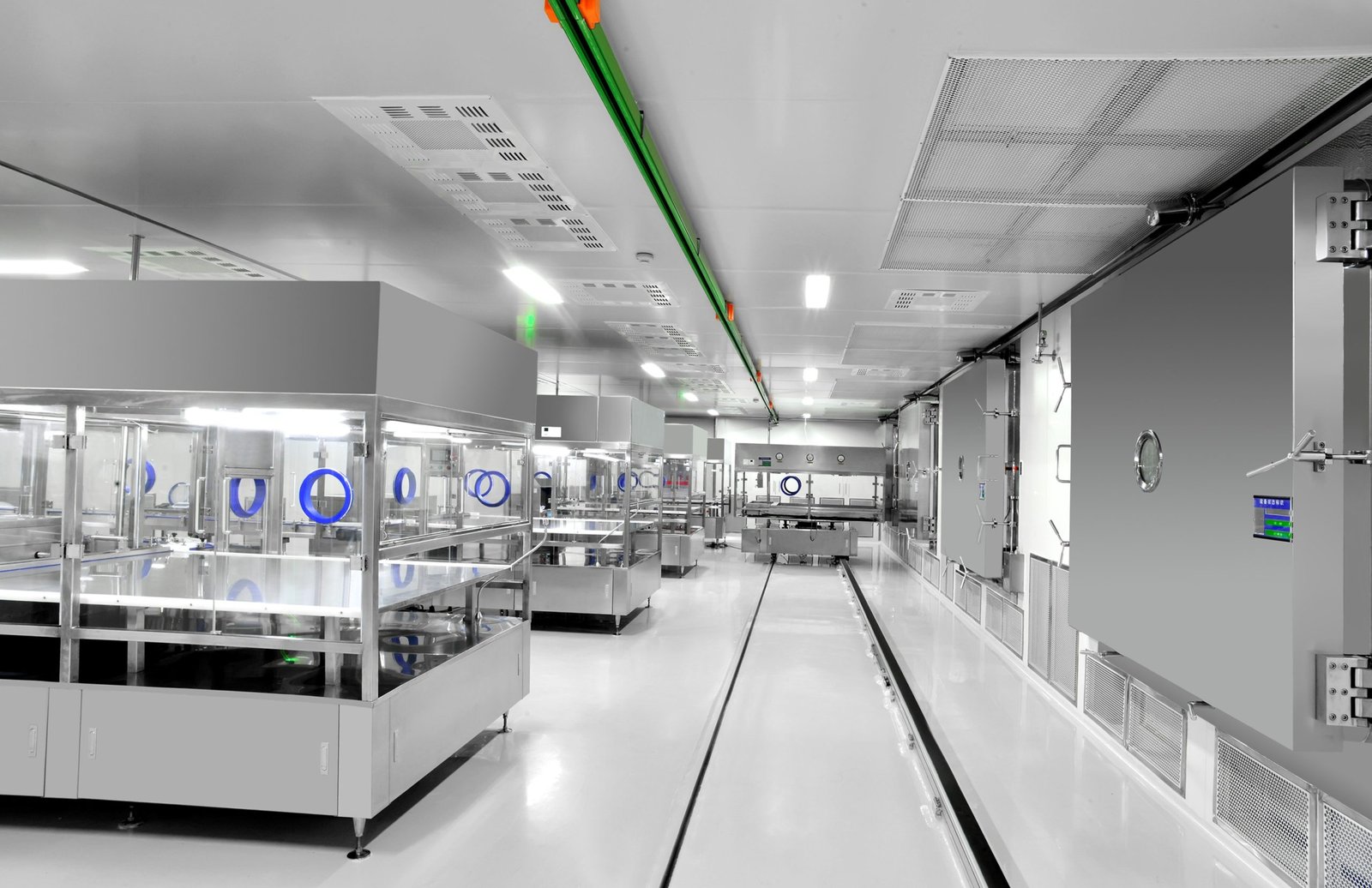
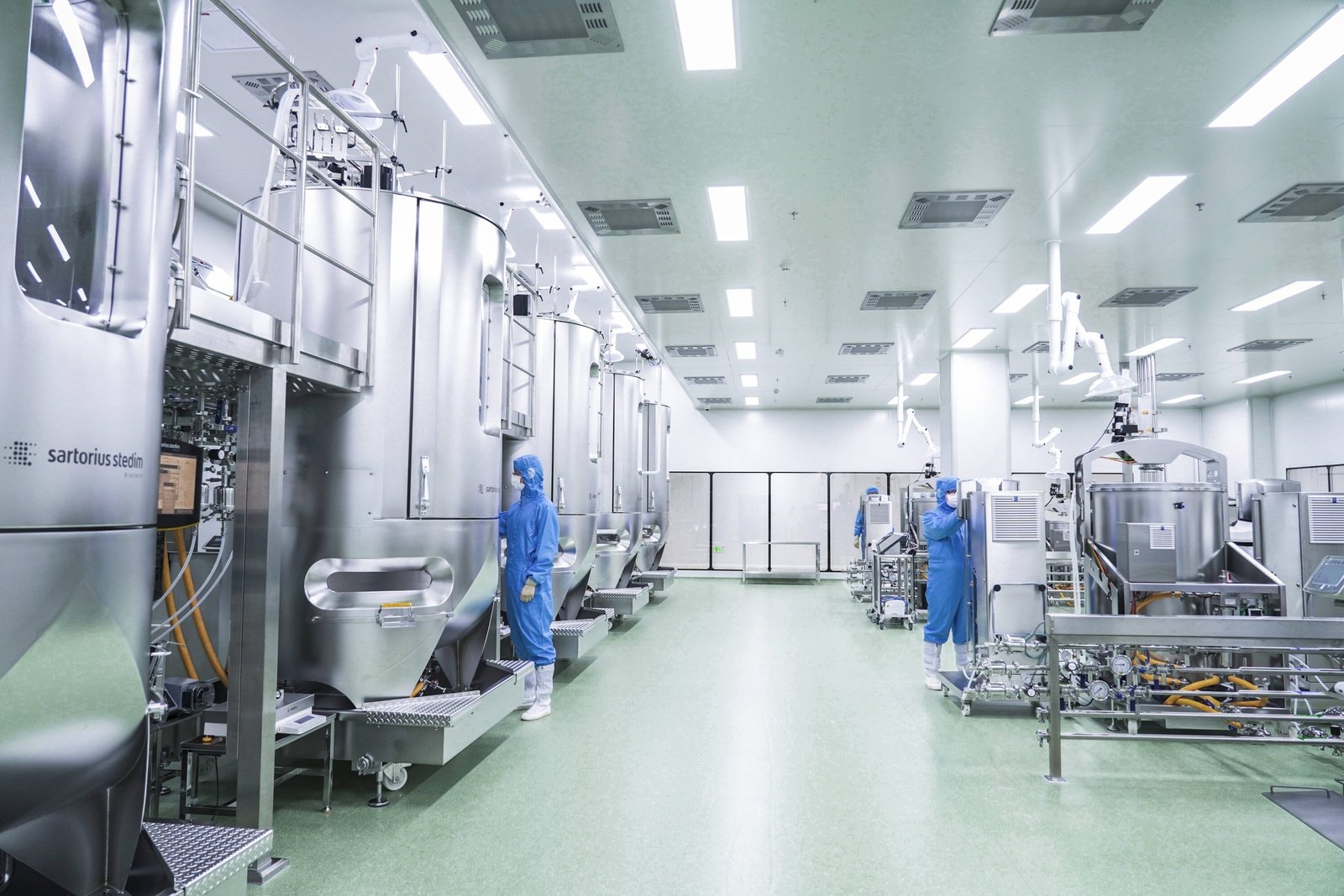
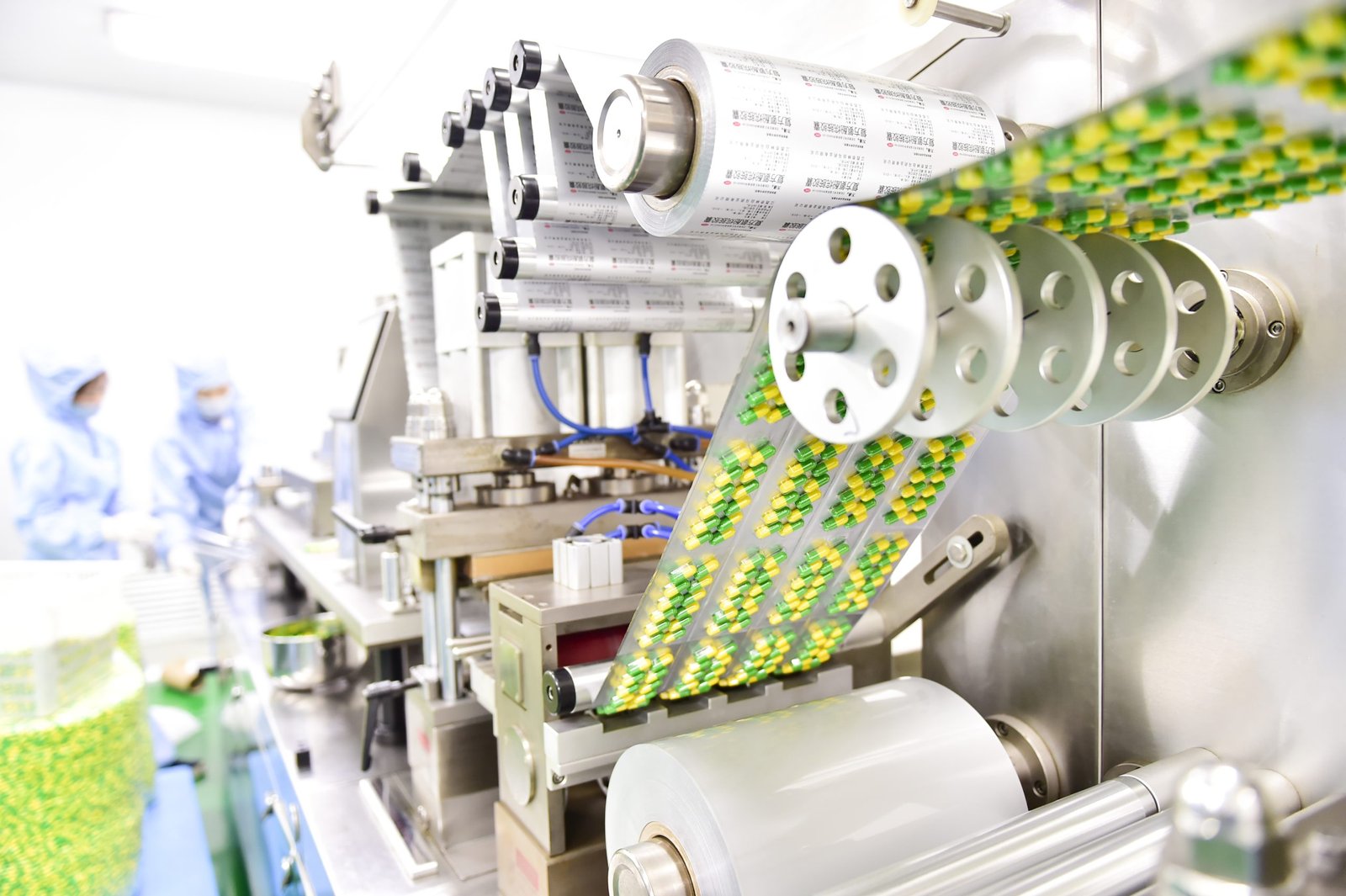
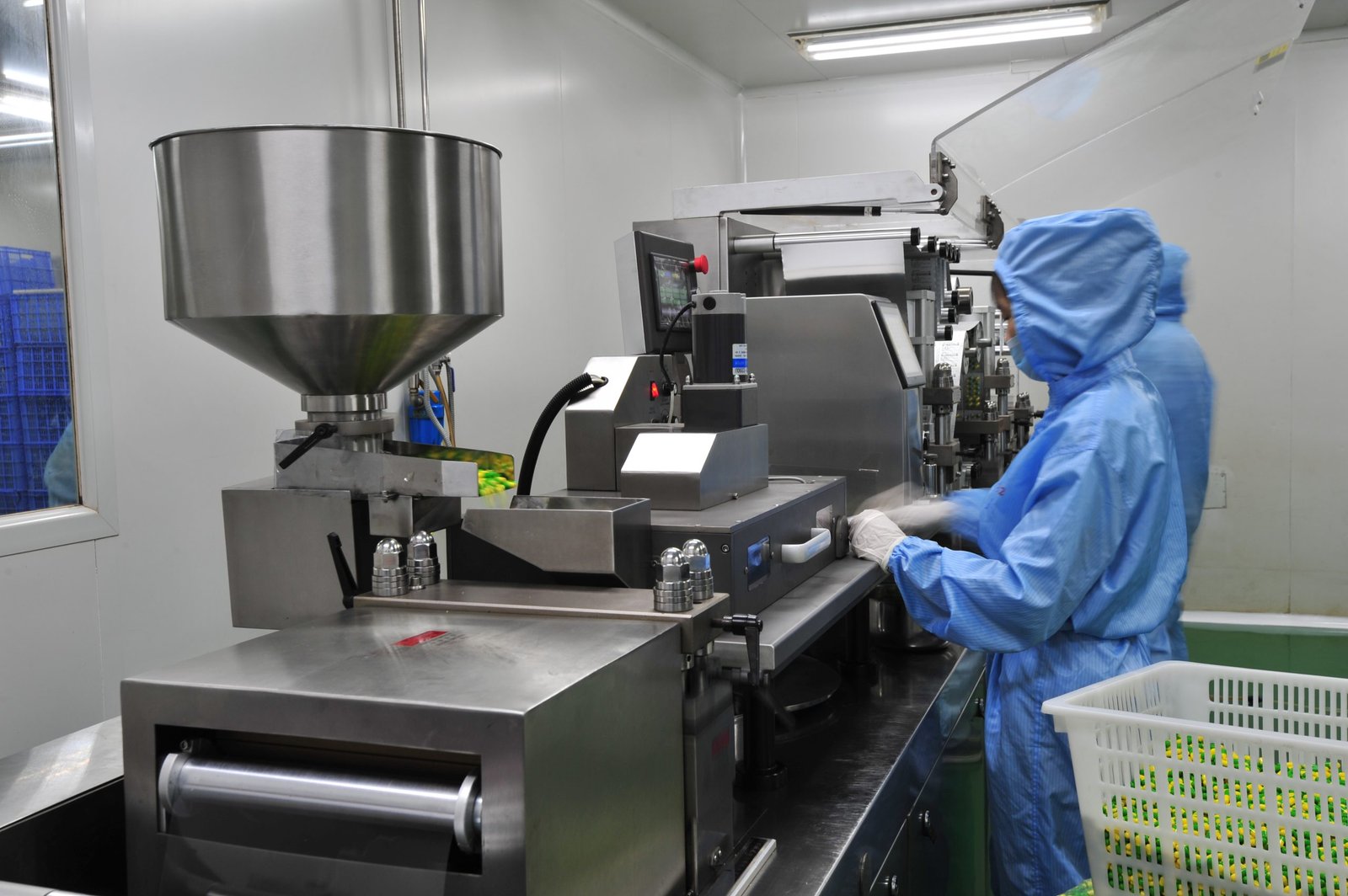
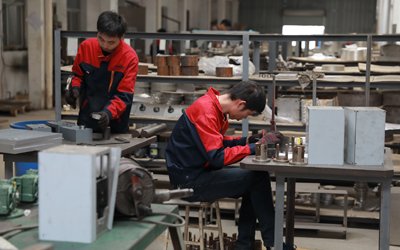
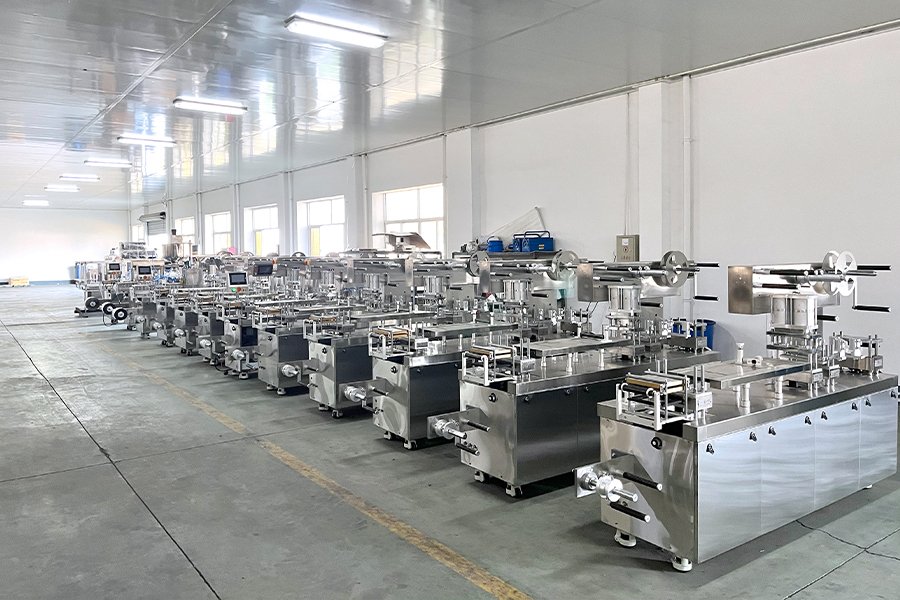
Welcome To Our Pharmaceutical Equipment Line Factory!
Why Choose Us
Specialized Factory
Economical Pricing Options
On-Time Delivery
Perfect Customer Service
Custom Solutions Available
Our technical experts are always ready to assist you in finding the perfect customized solution for your needs.