
Automatic Tablet Press Machine: PAT, OEE & Top Brand Selection Guide
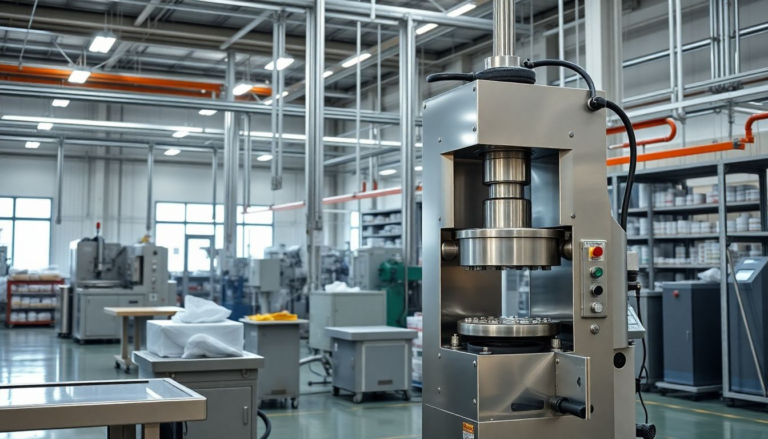
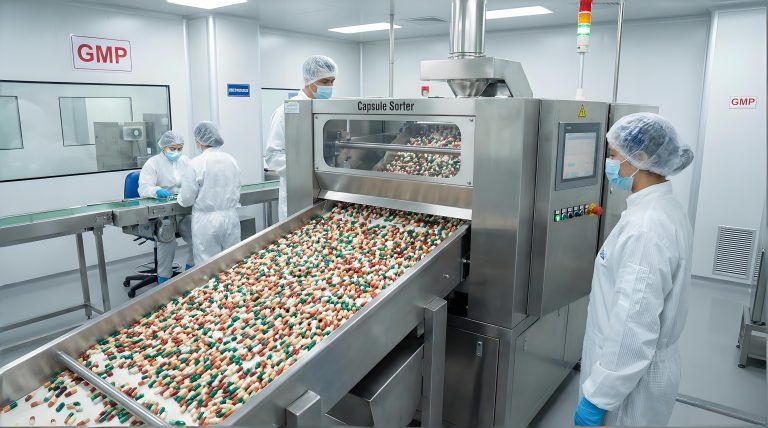
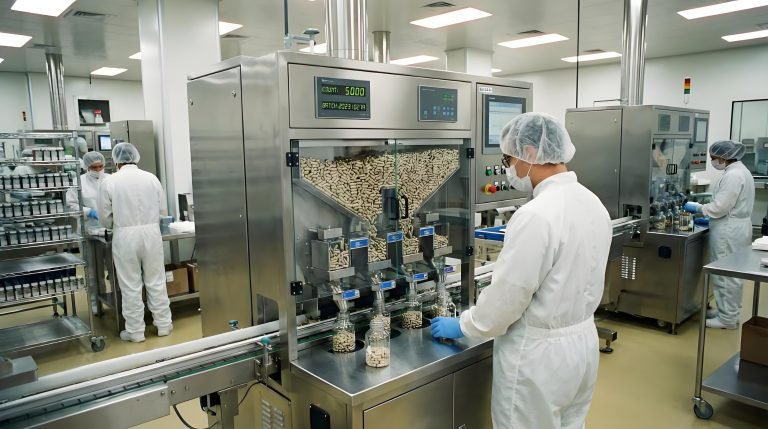
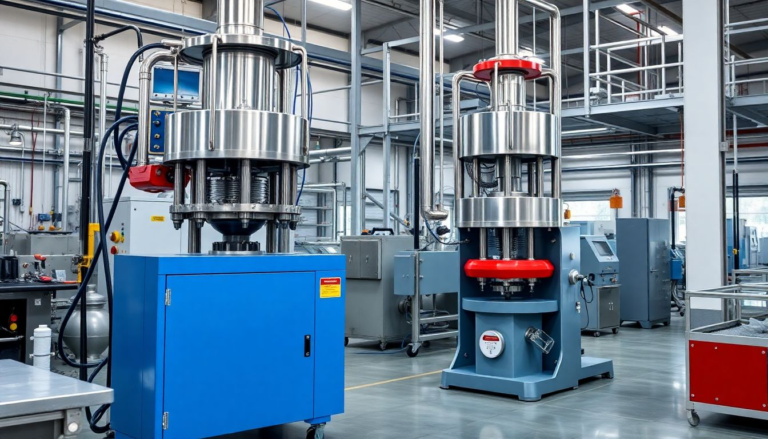
By 2026, the automatic tablet press machine has evolved beyond mechanical compression — it’s now a production core integrating sensors, digital connectivity, and real-time decision support. With the North American market projected to reach $559 million by 2031, industry benchmarks have shifted from raw output speed to data integrity and Overall Equipment Effectiveness (OEE).
The global pharmaceutical granules market is set to reach $50.35 billion by 2032. Under pressure from FDA 21 CFR Part 11 compliance and cost control, equipment supporting Process Analytical Technology (PAT) with audit-ready data is becoming essential for future manufacturing.
Core Industry Trends: The Deep Integration of Continuous Manufacturing and PAT Technology
1. The Leap From Batch Production to Near-Continuous Processing
In 2026, competitive automatic tablet press machines are defined by real-time OEE monitoring. As continuous manufacturing replaces batch production, PAT feedback systems now detect and prevent capping or weight deviation at millisecond speeds — fundamentally transforming how production quality is managed.
2. Asia-Pacific’s Strategic Growth and the Digital Premium
Asia-Pacific leads globally at a 6.7% CAGR, driven by programs like India’s PLI scheme. By 2030, fully automated machines are expected to hold over 60% market share. Equipment lacking IoT integration and predictive maintenance faces systematic obsolescence within five years.
Buyer Decision Matrix: Core Pain Points and Selection Strategy by Company Scale
| Company Scale | Annual Capacity Need | Core Pain Points | Strategic Equipment Recommendation |
|---|---|---|---|
| Small Enterprises | Below 1 billion tablets | Budget constraints, limited floor space, high maintenance costs | Compact, high-output models (~2㎡ footprint); prioritize first-year ROI. |
| Mid-Sized Companies | 1–5 billion tablets | OEE fluctuation, integration complexity, cost-performance trade-offs | Servo-drive systems with basic IoT — balance flexibility and automation. |
| Large Pharma Groups | Above 5 billion tablets | Global audit compliance, data transparency, continuous line compatibility | PAT support, FDA-compliant data chain, and 1.5M+ tablets/hour output are non-negotiable. |
2026 Top Rotary Automatic Tablet Press: In-Depth Competitive Comparison
Based on public market data and performance benchmarks, here’s a cross-brand evaluation of current mainstream players:
| Brand / Model | Core Competitive Advantage | Potential Limitations | Target Application | Estimated Investment (USD) |
|---|---|---|---|---|
| Aligned FE75 | Up to 1.6M tablets/hour, 115-station design, compact footprint | Limited flexibility for small-batch runs | Large-scale pharma continuous lines | $200,000 – $500,000 |
| Schuler Group | Servo-drive with deep IoT monitoring; industry-leading energy efficiency | High upfront cost; long customization lead times | Automotive and pharma precision forming | $300,000+ |
| AIDA | High-precision stamping; comprehensive automation ecosystem | Specialized maintenance team required; high operational barrier | Mid-to-large industrial automation | $150,000 – $400,000 |
| Stamtec | Strong cost competitiveness; high Asia-Pacific penetration | Conservative digital innovation pace | Cost-sensitive mid-sized enterprises | $100,000 – $300,000 |
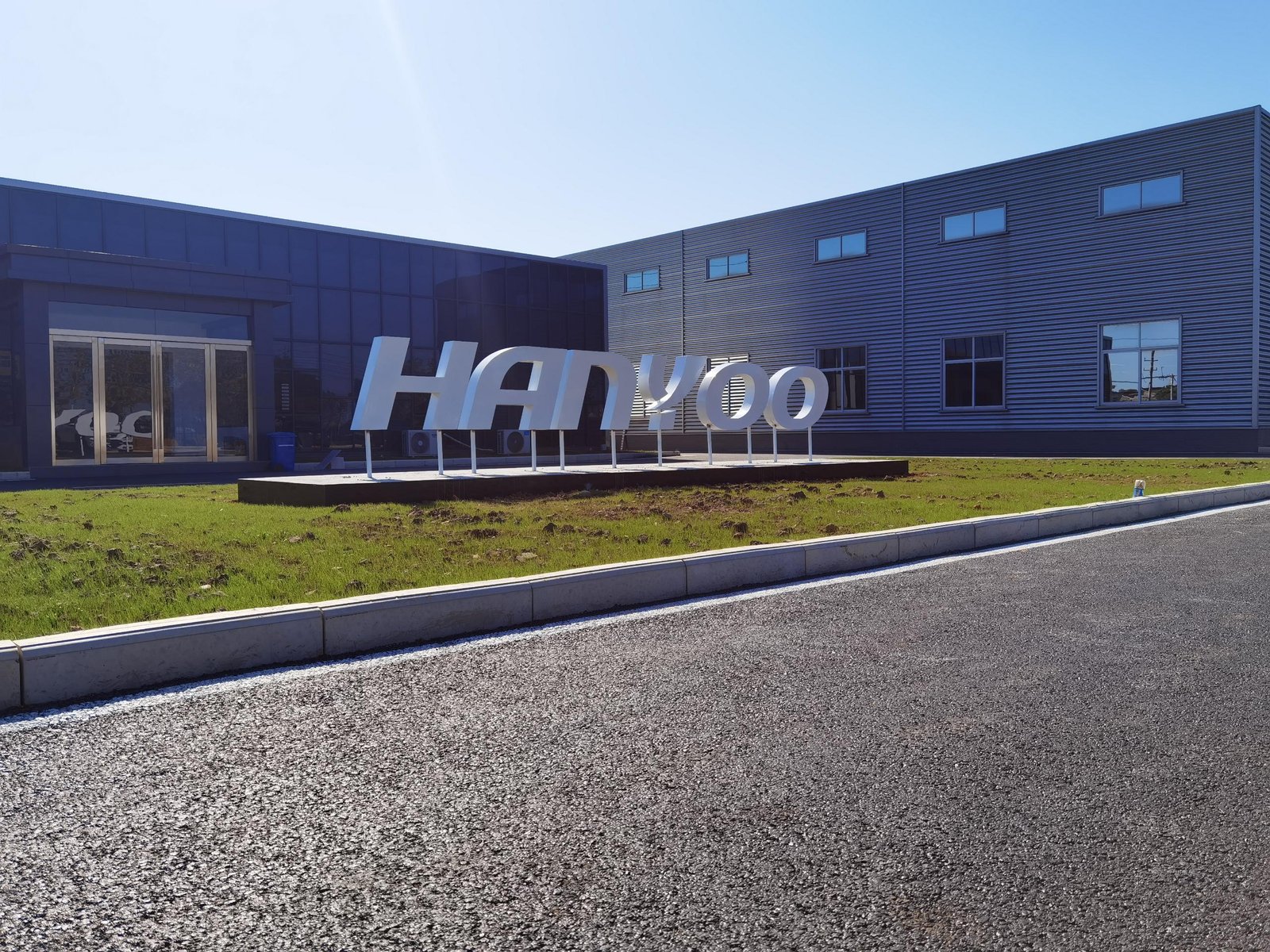
Hanyoo’s Industry Response: Redefining Cost-Performance Ratio Through “Digital Productivity”
The market gap is clear: buyers must choose between high-volume workhorses or expensive digital platforms. Hanyoo bridges this divide, targeting pharma and chemical manufacturers with purpose-built innovation that balances technology and cost in the automatic tablet press machine segment.
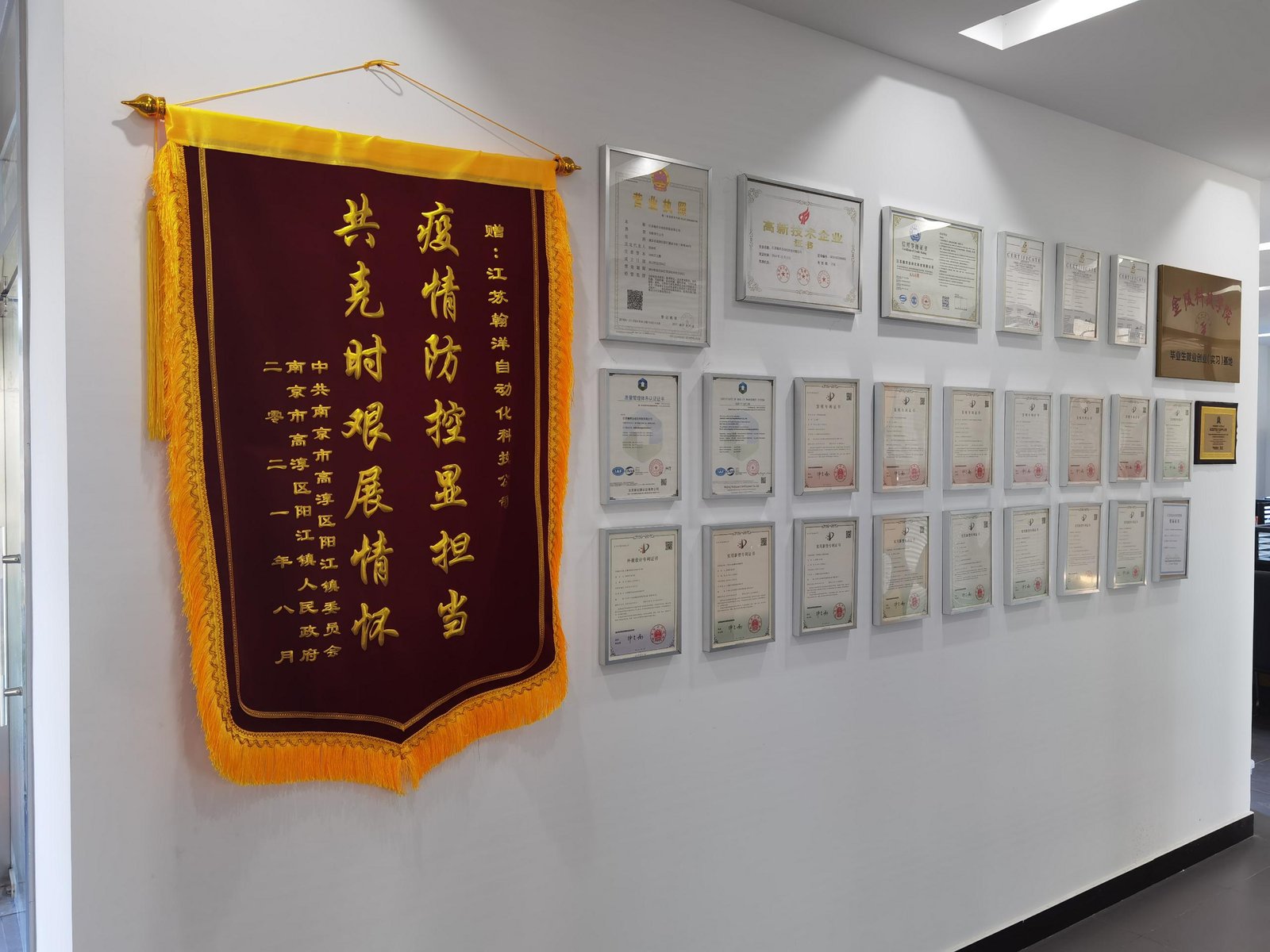
- Real-Time PAT Closed-Loop Integration: HY-series machines feature built-in digital force sensors and weight control systems fully compliant with FDA 21 CFR Part 11 — delivering audit-ready compliance data on demand.
- Compact Design With Low Total Cost of Ownership: Outputs 1.5 million tablets/hour within a 1.8㎡ footprint, with digital wear tracking cutting annual maintenance costs by 30%.
Real-World Case Study: A nutritional supplement manufacturer switched from AIDA to Hanyoo equipment. PAT feedback reduced weight variation from 2% to 0.5%, significantly lowered rejection rates, and delivered $500,000 in annual savings.
Conclusion
Selecting an automatic tablet press machine today demands more than a hardware spec check. Follow this decision framework:
- Quantify Your Current OEE Baseline: Measure downtime costs and target above 95% efficiency.
- Compare Lifecycle Cost, Not Just Purchase Price: Evaluate full TCO — energy, maintenance, and spare parts over five years.
- Validate Data Compliance On-Site: Require a live PAT demo showing real-time output and complete audit trail before buying.
- Verify Industry Application Evidence: Choose suppliers with quantified improvement data from comparable environments — not just reference lists.
- Optimize Supply Chain Strategy: Leverage China-based manufacturing responsiveness to shorten delivery cycles and reduce procurement risk.
FAQ
Q: What’s the realistic price trajectory for automatic tablet press machines in 2026?
A: High-end PAT-capable models with 115-punch configurations range from $200,000–$500,000; mid-range rotary machines cluster around $150,000–$300,000. Digitalization delivers a 20% maintenance cost reduction, typically flipping the TCO comparison within 18–24 months.
Q: Why is PAT capability now non-negotiable for pharmaceutical tablet press selection?
A: The 2026 regulatory environment has near-zero tolerance for data integrity gaps. PAT keeps weight variation below ±0.5% while generating compliant, traceable records that directly impact audit pass rates and batch release speed.