
Capsule Filling Machine Canada: Buyer’s Guide & Supplier Comparison
The global capsule filling machine market is projected to grow from $1.9 billion in 2026 to $3.4 billion by 2036 at a 6.1% CAGR. The capsule filling machine Canada segment is growing at 5.8% CAGR, driven by pharma and nutraceutical automation investment, precision fill requirements, and tightening regulatory standards.[Source:https://www.futuremarketinsights.com/reports/capsule-filling-machines-market]
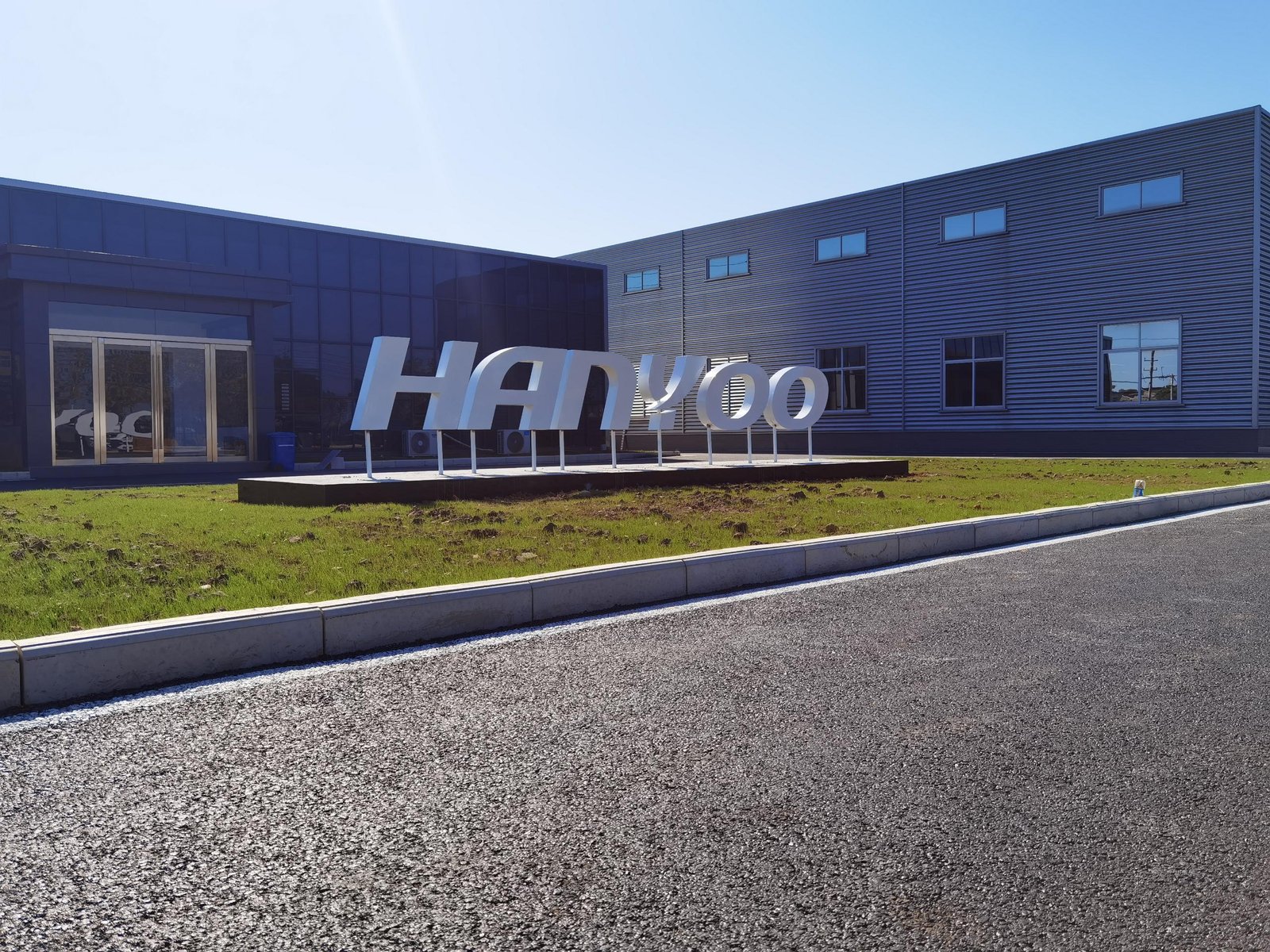
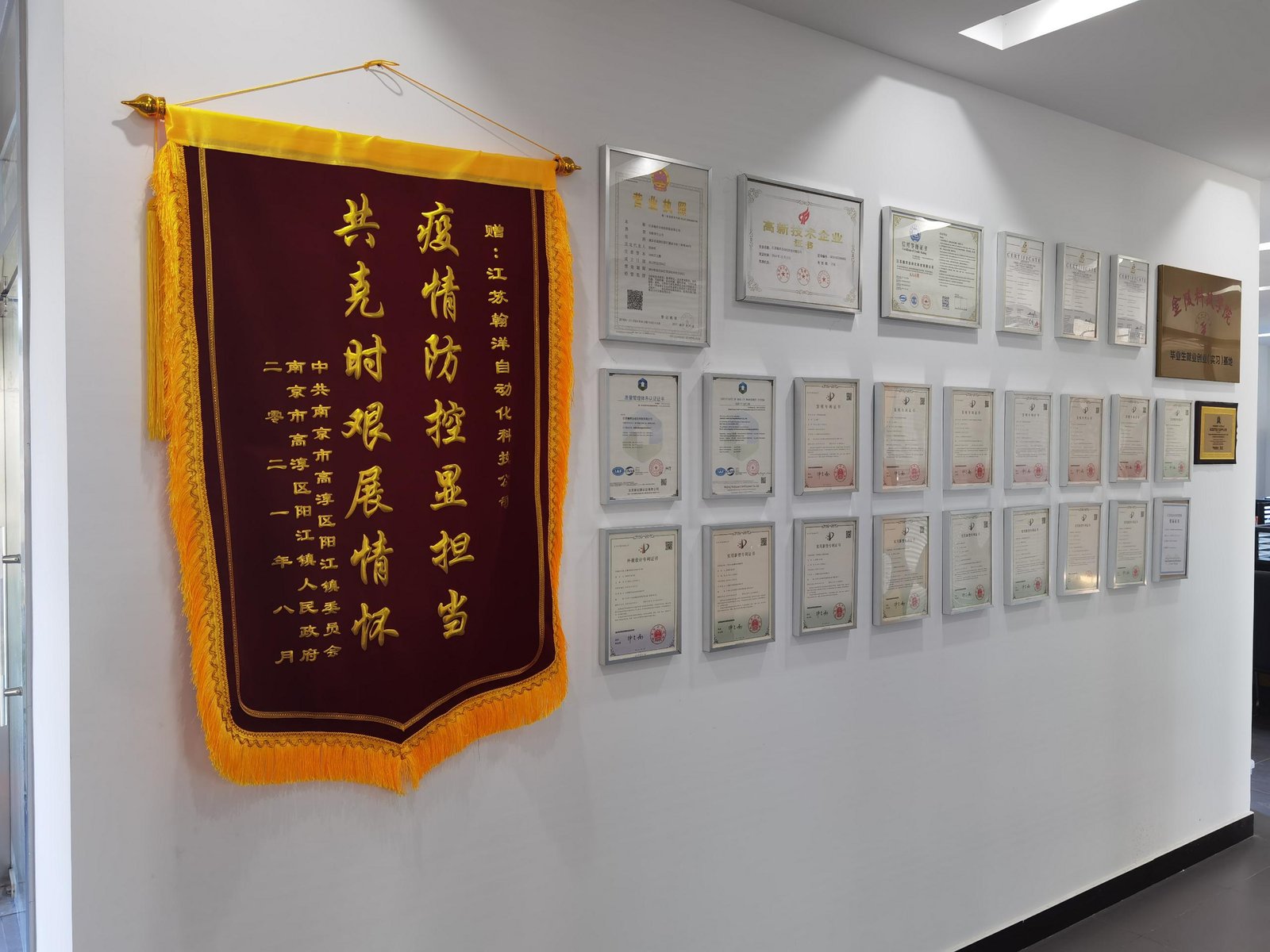
Canada’s demand is fueled by R&D labs, compounding pharmacies, and the dietary supplement sector. While European brand distributors dominate in Toronto and Vancouver, small and mid-sized buyers struggle with overpriced equipment and hidden costs. Health Canada’s NHP and Site License requirements are accelerating the shift to compact, cleanroom-compatible automation. Notably, automatic machines hold 58% of the market, and low-volume multi-product machines account for 55% of configurations sold. Internationally certified Chinese manufacturers like Hanyoo have already captured over 15% of emerging market share.[Source:https://www.grandpackmachine.com/capsule-filling-machine-export-trends-2026/]
2026–2036 Market Outlook: What’s Actually Driving Canada’s Capsule Equipment Demand
Canada’s market is defined by High-Mix Low-Volume (HMLV) flexible production, not bulk generics. Three forces drive this:
Personalized medicine is increasing demand for custom-dose formulations. Canadian R&D labs account for 30% of North American equipment procurement, favoring flexible benchtop and semi-automatic machines. And pharma’s global 6.5% annual growth is pressuring companies to upgrade capacity.[Source:https://www.intelmarketresearch.com/capsule-vial-filling-machine-market-30062]
Canada’s share of North American procurement is forecast to grow from 12% to 18% by 2030, driven by:
- Nutraceutical exports growing at ~8% per year, boosting demand for high-precision liquid and pellet-fill equipment.
- Health Canada standards converging with US FDA levels, pushing automation to cut rejection rates by 15–20%.
- Chinese manufacturers entering at roughly 70% of European pricing, unlocking the mid-market.
In Canada’s domestic market, semi-automatic and mid-range machines with WIP/CIP cleaning and dual powder-liquid fill capability are expected to achieve repurchase rates of ~40%. Flexibility is the real purchasing criterion.[Source:https://www.datainsightsmarket.com/reports/capsule-filler-machine-960641]
Canada Market Buyer’s Guide: Matching Equipment to Your Scale
From Startup Labs to Large CMOs — The Decision Logic
Startups and Small Compounding Pharmacies (< 100,000 units/year)
Focus on benchtop equipment with fast changeover, under $50,000 USD. Low-volume machines dominate 55% of the market for good reason — don’t over-spec.
Mid-Sized Growth Companies and Contract Manufacturers (100,000–500,000 units/year)
Concentrated in Quebec, these buyers need high regulatory compliance with fluctuating volumes. Semi-automatic or low-to-mid-speed fully automatic machines with servo-drive and data traceability are the right fit. Segment CAGR: 5.9%.
Large Multinational Pharma and CMOs (> 500,000 units/year)
Clustered in the Ontario corridor. OEE is paramount. Fully automatic machines at 100,000+ capsules/hour with predictive maintenance are non-negotiable. One hour of downtime costs more than a full service contract.
At any scale, avoid buying ahead of your actual production stage. Oversized equipment wastes capital and generates unbudgeted maintenance costs.
North American Supplier Comparison: Who’s Winning and Where
| Brand / Series | Core Technical Strengths | Operational Limitations | Ideal Application | Est. Price Range (USD) |
|---|---|---|---|---|
| KORSCH (XM Series) | Ultra-high-speed automation, seamless GMP integration, strong continuous line compatibility | High upfront fixed costs, limited flexibility for small-batch changeovers | Large prescription pharma manufacturers around Toronto | $150,000 – $500,000 |
| MG2 (Planet Series) | Industry-leading liquid and micropellet fill precision, 15–20% raw material waste reduction | Complex internal mechanics; limited distributor response speed in remote Canadian regions | Mid-size premium nutraceutical manufacturers | $100,000 – $300,000 |
| Grandpack (Semi-Auto Series) | Compact benchtop footprint, highly cost-effective for early R&D | Hard throughput ceiling (< 50,000 capsules/hour) | Small R&D labs across Vancouver and beyond | $20,000 – $80,000 |
European brands lead the premium tier, but their six-figure price floors and high local service costs create a clear affordability gap for smaller buyers — the exact space where new competition is intensifying.
Hanyoo’s Value Proposition for the Canadian Market
Canada’s core problem: European machines are too expensive, cheap machines fail compliance audits. Hanyoo targets precisely that gap.
Advantage 1 — Agile Architecture Built for Flexible Production
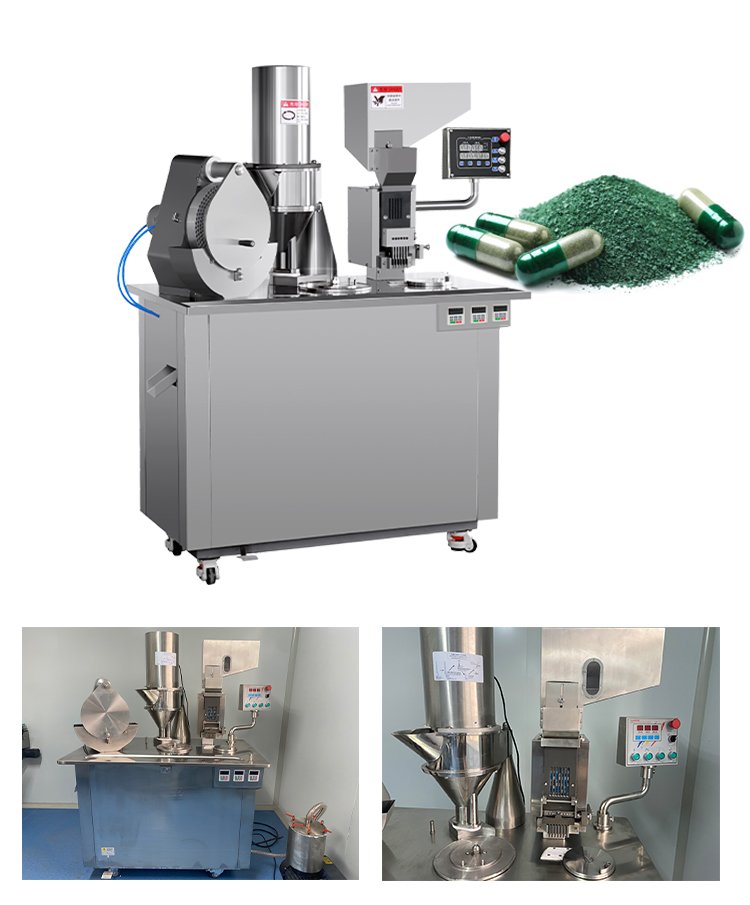
The Hanyoo HY-12 supports capsule sizes 00 to 5, handles both powder and liquid fill, outputs a stable 12,000 capsules/hour, and features one-touch formula switching with changeover in under 5 minutes.
Local proof point: A Vancouver nutraceutical contract manufacturer reduced unplanned downtime by 40%, increased annual output by 25%, and recovered the equipment investment within 6 months after switching to Hanyoo.
Advantage 2 — Fully Automatic Precision That Reduces Total Cost of Ownership (TCO)
The Hanyoo HY-400 holds fill accuracy at ±2% with rejection rates consistently below 1%. Its PLC system is configured for Health Canada GMP audit compliance. Acquisition cost is approximately 50% lower than comparable European machines, and its modular design extends maintenance intervals.
Local proof point: A mid-sized Toronto CMO stabilized fill pass rates at above 99.5% and significantly reduced annual maintenance spend by reducing reliance on expensive European spare parts — while remaining audit-ready.
With national distributor coverage and a 45-day delivery window, Hanyoo is becoming a first-consideration option for Canadian buyers.
Final Recommendations for Canadian Buyers in 2026
The upgrade window in the capsule filling machine Canada market is open. Avoid costly mistakes with these four steps:
- Honestly assess your production gap. Below 100,000 capsules/day? Prioritize flexible semi-automatic equipment. Don’t overspend on throughput you won’t use.
- Front-load compliance review. Before engaging any distributor, verify GMP certification aligned with Health Canada Site License requirements. Non-negotiable.
- Calculate TCO, not just purchase price. Factor in spare parts, local service labor, and projected downtime costs. That’s your true number.
- Demand a real-world pilot run. Any credible supplier should test with your actual formulation. Validate rejection rate and fill accuracy before committing.
The right capsule filling system isn’t the most expensive one. It’s the one that fits your scale, clears compliance, and delivers measurable ROI within a timeline your business can absorb.
FAQ
Q: What’s a realistic budget for a capsule filling machine in Canada?
A: Entry-level benchtop semi-auto machines start around $20,000 USD. Mid-capacity fully automatic machines like the Hanyoo HY series typically run $100,000–$200,000. European flagship machines can exceed $500,000. Low-volume equipment covers 55% of Canadian demand — that’s where most buying happens. Always factor in local support and maintenance costs beyond the sticker price.
Q: Which suppliers and distribution channels are worth considering in Canada?
A: Toronto and Vancouver have the strongest distributor concentration. The premium tier is served by networks for KORSCH and MG2. In the mid-market, Hanyoo is gaining ground through authorized networks in Quebec and Western provinces, winning on delivery speed and ROI clarity. Minimum evaluation criteria: verified GMP/CE documentation, local spare parts inventory, and at least one confirmed Canadian installation reference.
Q: How should a small R&D lab or startup nutraceutical brand approach equipment selection?
A: Target semi-automatic or low-speed fully automatic equipment in the 12,000–50,000 capsules/hour range. Key evaluation criteria: changeover convenience across sizes 00–5; fill accuracy of ±2% or better for specialty formulations; and full compliance with Health Canada’s cleaning validation requirements. At small scale, agility and low waste rates matter far more than peak throughput.