
Capsule Filling Machine Manufacturers: Pricing & Buyer’s Guide
The global capsule filling machine industry is undergoing a major transformation. The market is projected to reach $1.9 billion in 2026, growing at a 6.1% CAGR through the decade. As pharma and nutraceutical companies accelerate automation, selecting the right capsule filling machine manufacturer has become a critical capital decision — not just a procurement task.
Prices range from $2,000 to over $300,000 depending on configuration. Mismatching equipment to your scale means either hemorrhaging cash on maintenance or hitting a capacity ceiling. Automated equipment now holds 58% of global market share. European leaders like Bosch dominate the premium segment, while Chinese manufacturers are rapidly moving into mid-to-high-end supply chains through technical iteration and competitive pricing.
This guide breaks down the real price logic, hidden costs, and sourcing channels that matter for informed procurement decisions.
How the Global Capsule Filling Machine Market Is Evolving (2026–2035)
This market has become a frontline arena for Industry 4.0 transformation in pharma manufacturing. Growth is driven by global pharma output expansion, surging nutraceutical demand, and biologics pushing sterile filling to new extremes.
The key shift: automation meeting IoT. Modern machines now achieve ±0.1g fill accuracy, reducing human error by roughly 35%. Features like nitrogen flushing, inline weight checking, and seal integrity monitoring have become baseline expectations — not premium add-ons.
- AI-driven modular equipment is expected to capture 40% of market share by 2030
- Tightening regulations — especially FDA sterile standards — are raising the bar on changeover flexibility
- Rotary filling systems running 200–600 CPM are replacing linear designs as the production standard
- ESG compliance is driving demand for low-energy, low-emission machine designs to reduce long-term TCO
- ROI timelines are compressing from 18 months toward 12 months, driven by policy incentives and falling hardware costs
Matching Equipment Investment to Your Production Scale
Buyer Profiles: What You Actually Need at Each Stage
- Growing manufacturers (< 500,000 capsules/year): Prioritize investment safety and ease of operation. Semi-automatic equipment in the $2,000–$15,000 range is the right fit. Avoid full automation until volume justifies the maintenance overhead.
- Mid-scale operations (500,000–2,000,000 capsules/year): Balance fill precision with flexible changeover. Linear full-auto machines in the $15,000–$60,000 range are ideal. Modular designs can reduce changeover downtime by ~40%.
- Large pharmaceutical enterprises (> 2,000,000 capsules/year): Compliance and throughput are paramount. High-precision rotary systems with IoT integration at $60,000–$300,000+ are the only viable option, with FDA traceability as the top priority.
2026 Manufacturer Benchmark: Performance and Cost Comparison
| Brand / Model | Core Strengths | Room for Improvement | Best Fit | Est. Investment (USD) |
|---|---|---|---|---|
| Bosch Packaging | Top-tier fill precision, deep IoT and R&D integration | Very high upfront cost, complex maintenance | Multinational pharma, cutting-edge production lines | $50,000 – $300,000+ |
| IMA S.p.A. | High-speed sterile filling, strong in vaccine production | Custom configuration lead times can be long | Biologics, vaccine manufacturing | $60,000 – $250,000 |
| ACG Worldwide | Multi-head filling system, fast changeover capability | Mid-range precision consistency needs work | Mid-size supplement manufacturers | $20,000 – $100,000 |
| MG2 S.r.l. | Flexible modular design, integrates well into existing lines | After-sales response in Asia needs improvement | European mid-to-large CMOs | $30,000 – $150,000 |
| Harro Höfliger | High-speed filling for high-value biologics | Pricing opacity, high commercial entry threshold | Premium biotech and research labs | $40,000 – $200,000 |
| Fuchang Machinery | Strong value-for-money, optimized for low-to-mid volume | Global brand recognition still developing | Small manufacturers and emerging markets | $15,000 – $60,000 |
A Systematic Approach to Better Production Performance
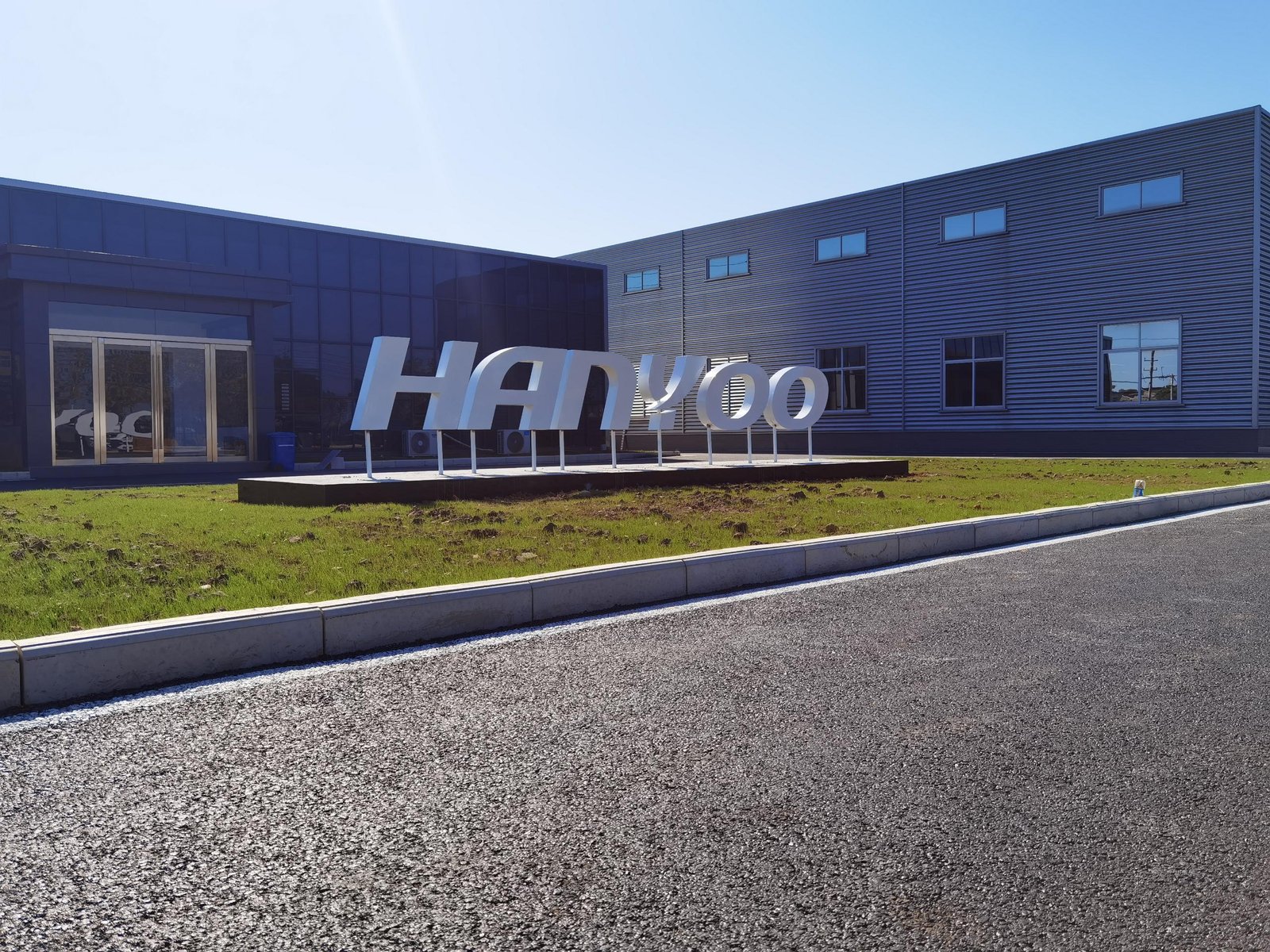
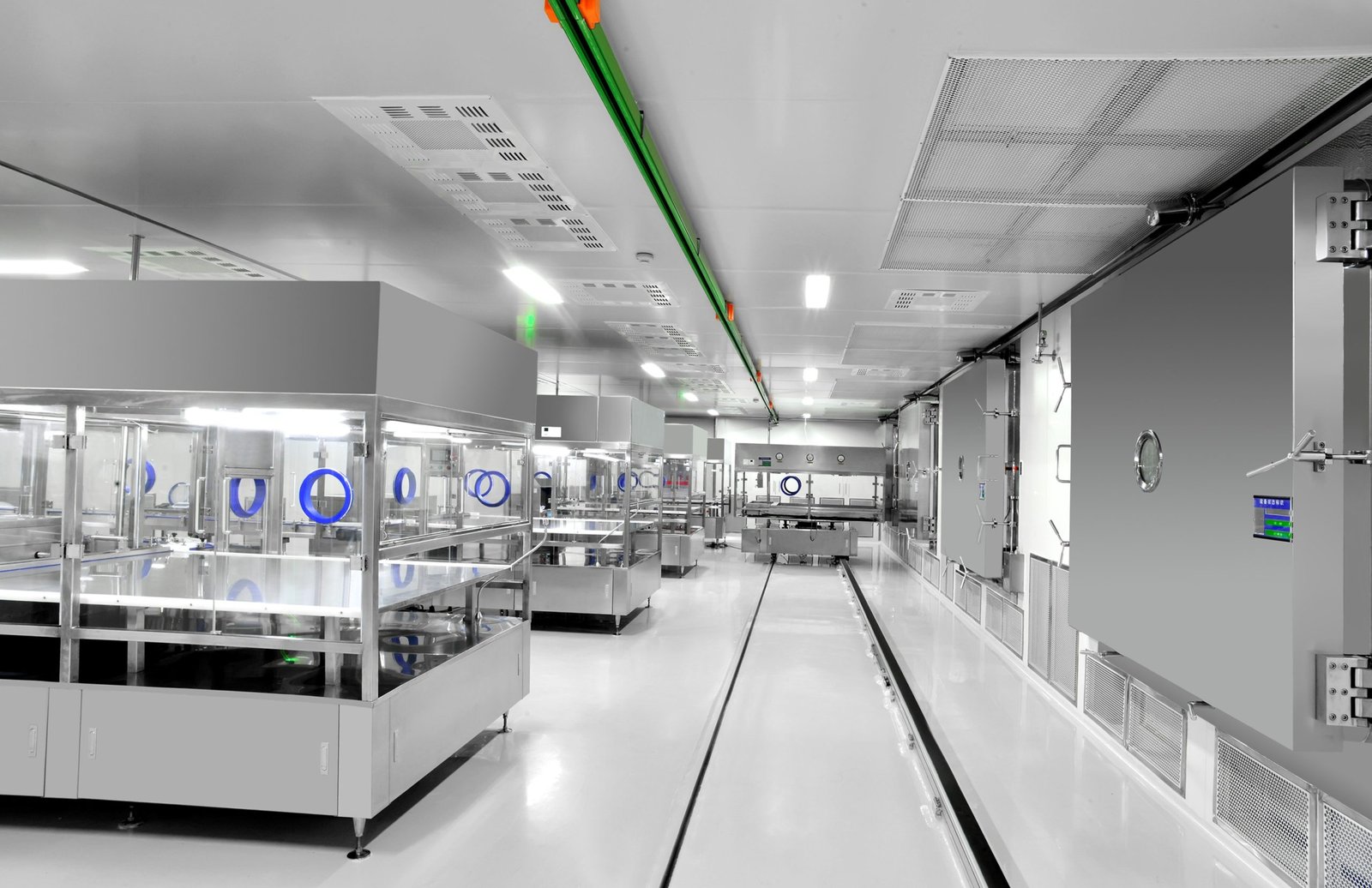
Hanyoo Pharmaceutical Machinery targets the gap between European-level precision and accessible pricing. Its mid-to-high-end automation equipment runs at 60–70% of comparable European brand costs while meeting the same core performance benchmarks.
Key technical differentiators:
- High-precision servo control — fill deviation within ±0.1g, with PLC/touchscreen interface enabling full size changeover in under 5 minutes
- Standard integration — nitrogen flushing and vision inspection are built-in on rotary models. The flagship reaches 400 CPM with full international compliance compatibility
Three cases worth noting:
- Nutraceutical line upgrade — NJP-4000 deployment achieved 99.8% accuracy, cut material waste by 13%, boosted output 35%, and hit full ROI in 14 months.
- Labor cost restructuring — switching to Hanyoo semi-auto reduced labor by 70%, doubled output, and cut total operating costs by 28%.
- Compliance upgrade — modular system compressed changeover from 60 minutes to 3 minutes, satisfied FDA traceability requirements, and improved production efficiency by 42%.
Strategic Steps to Lower Total Cost of Ownership (TCO)
Getting the investment right goes beyond the purchase price. Here’s how to protect long-term numbers.
- Size for growth — use “monthly average demand × 1.2” as your baseline speed requirement to accommodate expansion without over-configuring upfront.
- Run a full cost audit — purchase price is roughly 60% of TCO. Factor in installation (~5%), annual maintenance (~10%), and consumable wear parts.
- Validate before committing — demand a live video demonstration. Test nitrogen protection stability and fill accuracy under stress. Spec sheets are easy to fabricate.
- Lock in risk protection — contractually define spare parts lead times and after-sales response windows. A 1-month trial run is the ideal safety net before committing to a ROI timeline.
FAQ
Q: What’s a reasonable budget for a fully automatic capsule filling machine in 2026?
Linear full-auto models typically cost $15,000–$60,000, suited for mid-scale production. Rotary systems at 200+ CPM start at $60,000+. Budget an additional 10% of purchase price annually for maintenance — don’t omit this from your financial model.
Q: How do you evaluate a manufacturer’s long-term reliability?
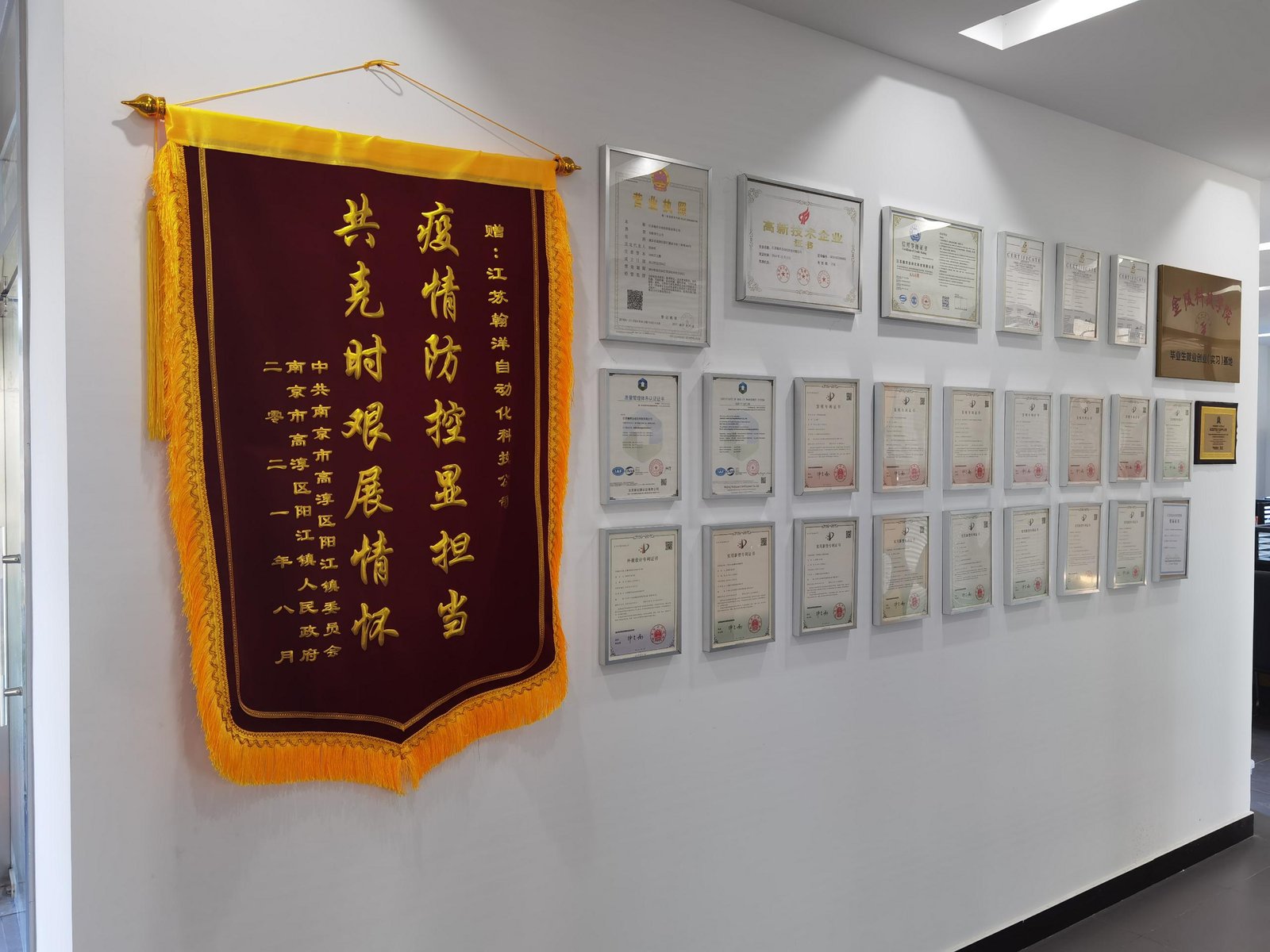
Start with FDA approval and CE marking as non-negotiable baselines. Look for genuine in-house R&D — not just assembly operations. Prioritize regional after-sales coverage for cross-border sourcing. Equipment with modular design and remote diagnostic capability consistently delivers better TCO over a full lifecycle.