
Pakistan Tablet Press Market: Buyer’s Guide & Brand Comparison
Pakistan’s pharmaceutical industry is shifting fast. DRAP’s tightening GMP standards are pushing manufacturers away from basic single-punch machines toward mid-to-high-speed automated tablet presses as the new baseline.
The economics are clear. Pakistan’s pharma output is projected to exceed $5 billion by 2025, driven by 30+ million chronic disease patients. This creates structural demand for tablet compression capacity. Over 70% of pharmaceutical equipment sourcing already ties back to Chinese supply chains, a position reinforced by CPEC tariff advantages and logistics infrastructure.[Source:https://www.intelmarketresearch.com/medium-speed-tablet-press-machines-market-24791]
The Structural Challenges Facing Pakistan’s Tablet Press Import Market
Import tariffs of 15%–25% and a shortage of local technical support have fundamentally changed procurement logic. The conversation has moved from acquisition cost to Total Cost of Ownership (TCO). Mid-speed presses running 40,000–60,000 tablets per hour have become the preferred configuration in Lahore and Karachi — well-suited for both trial batches and mid-scale commercial production.
Market Outlook: 2026 to 2030 Trend Predictions
From Import Dependency Toward Local Integration and CDMO Models
The rise of CDMOs is driving demand for highly flexible tablet presses capable of rapid changeover across multiple SKUs and small batches — a different spec than traditional high-volume lines require.
Three forecasts hold up well based on current trajectory:
- Market volume expansion. The Pakistan tablet press market is projected to grow at 8.5% CAGR from 2026 through 2030, driven by DRAP’s phase-out of outdated equipment and rising nutraceutical demand.[Source:https://www.futuremarketinsights.com/reports/tablet-press-machines-market]
- Automation penetration accelerating. Full-automatic press penetration is expected to climb from 45% to over 70% by 2030, as labor costs and GMP documentation requirements increasingly favor automation.
- Supply chain consolidation around Chinese brands. With a 30–40% price advantage over European alternatives, Chinese manufacturers are on track to hold over 80% market share by 2028 — a trajectory already visible in current procurement patterns.[Source:https://www.researchandmarkets.com/report/global-tablet-press-market]
Buyer Profile Analysis and Global Brand Benchmarking
Differentiated Procurement Strategies by Scale
Decision-making priorities shift significantly by company size:
- Startup operations (under 50M tablets/year): CapEx is the primary constraint. Chinese small-to-mid rotary presses with simple in-house maintenance capability are the practical choice.
- Mid-tier companies (50M–200M tablets/year): Production stability and GMP compliance dominate. PLC control quality and unplanned downtime rates are critical — a failed audit costs far more than any price difference between vendors.
- Large pharma groups (200M+ tablets/year): Target throughput exceeds 100,000 tablets/hour. Given Pakistan’s voltage fluctuation issues, redundancy design for power instability is a non-negotiable technical requirement.
Pakistan Tablet Press Brand Competitive Matrix
| Brand / Model | Core Competitive Strength | Key Operational Consideration | Best Fit | Estimated Budget (USD) |
|---|---|---|---|---|
| GYLONGLI GLP Series | Strong energy efficiency, stable mid-speed performance | Precision stability under sustained high-load conditions needs monitoring | Small-to-mid factory pilot lines | $25,000 – $50,000 |
| Hanlin Hangyu HY Series | Multi-punch design, relatively straightforward changeover logic | Noise control and dust containment are average | Generic drug rapid production runs | $20,000 – $45,000 |
| Fette Compacting (Leitz) | European precision engineering, top-tier compliance standards | High acquisition and after-sales cost, longer service lead times | High-end export-focused manufacturers | $80,000 – $150,000 |
Pakistan Pharma Buyer’s Action Guide
For procurement teams making decisions now, follow this practical sequence:
- Assess your capacity buffer first. Use a three-year projection to determine whether 40k–60k TPH mid-speed redundancy fits your growth curve. Buying only to current capacity is the most common — and costly — procurement mistake.
- Run compliance pre-screening before shortlisting. Prioritize suppliers with DRAP-recognized technical documentation and local Pakistan case studies. Zero Pakistan deployment history is a risk that tariff savings don’t offset.
- Calculate TCO with CPFTA adjustments built in. Don’t benchmark on sticker price. Quantify your actual tariff reduction under the China-Pakistan Free Trade Agreement — it meaningfully changes the cost comparison at higher price points.
- Front-load operator training. Complete digital system training before equipment clears customs. Early-stage damage from operator unfamiliarity is a well-documented, entirely preventable cost.
FAQ
Q: What’s the realistic price range for mid-speed tablet presses in Pakistan, and how should buyers approach selection?
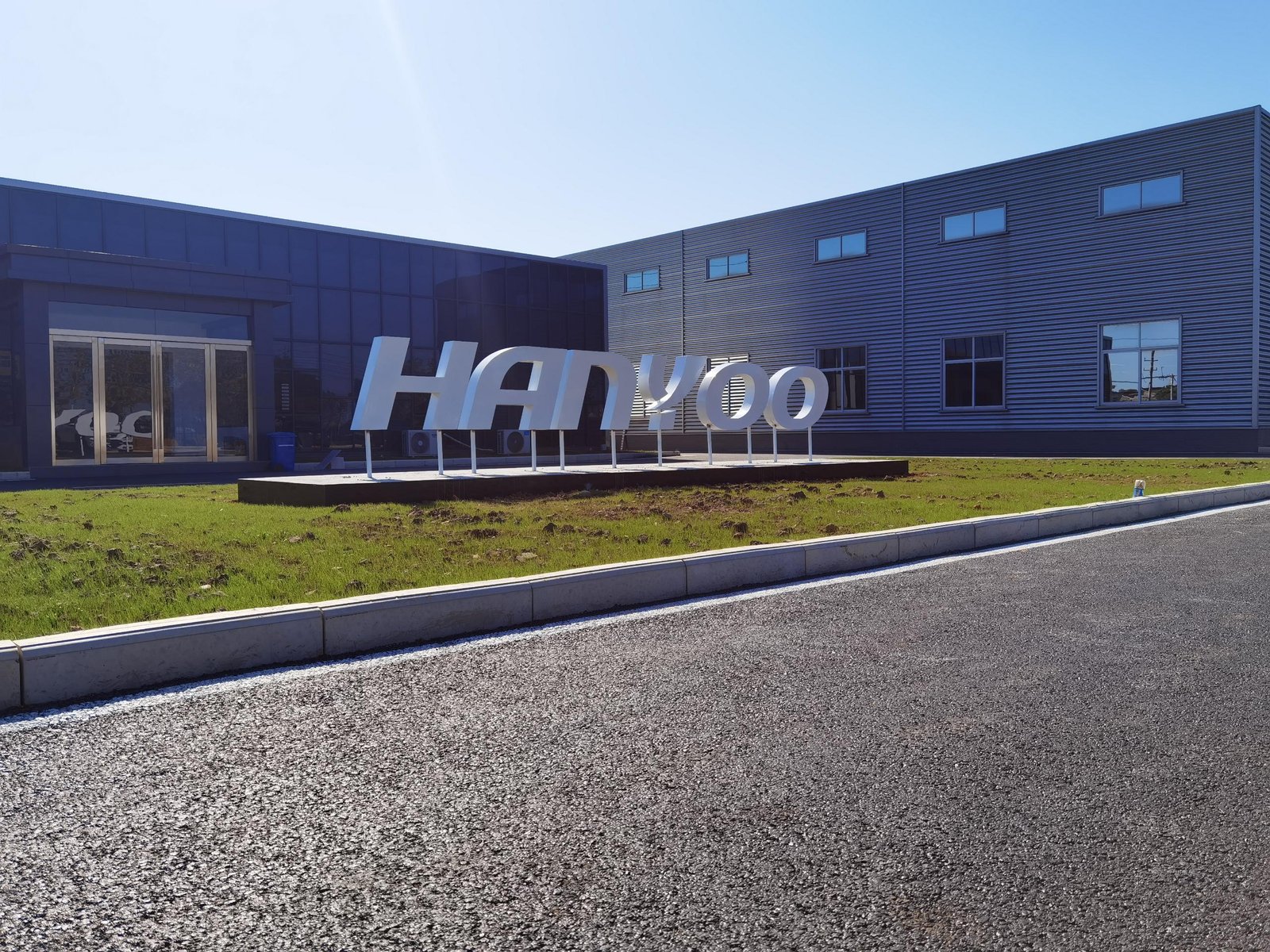
Mid-speed rotary presses (40k–60k TPH) are priced at $25,000–$50,000 in Pakistan. PLC-integrated machines with remote diagnostics run ~20% higher upfront but recover that gap quickly through reduced labor costs and stronger GMP compliance. For compliance-to-cost ratio, Hanyoo’s customization capability has become a credible benchmark in the Pakistan market.
Q: How can Pakistani buyers use China-Pakistan trade policy to reduce tablet press import costs?
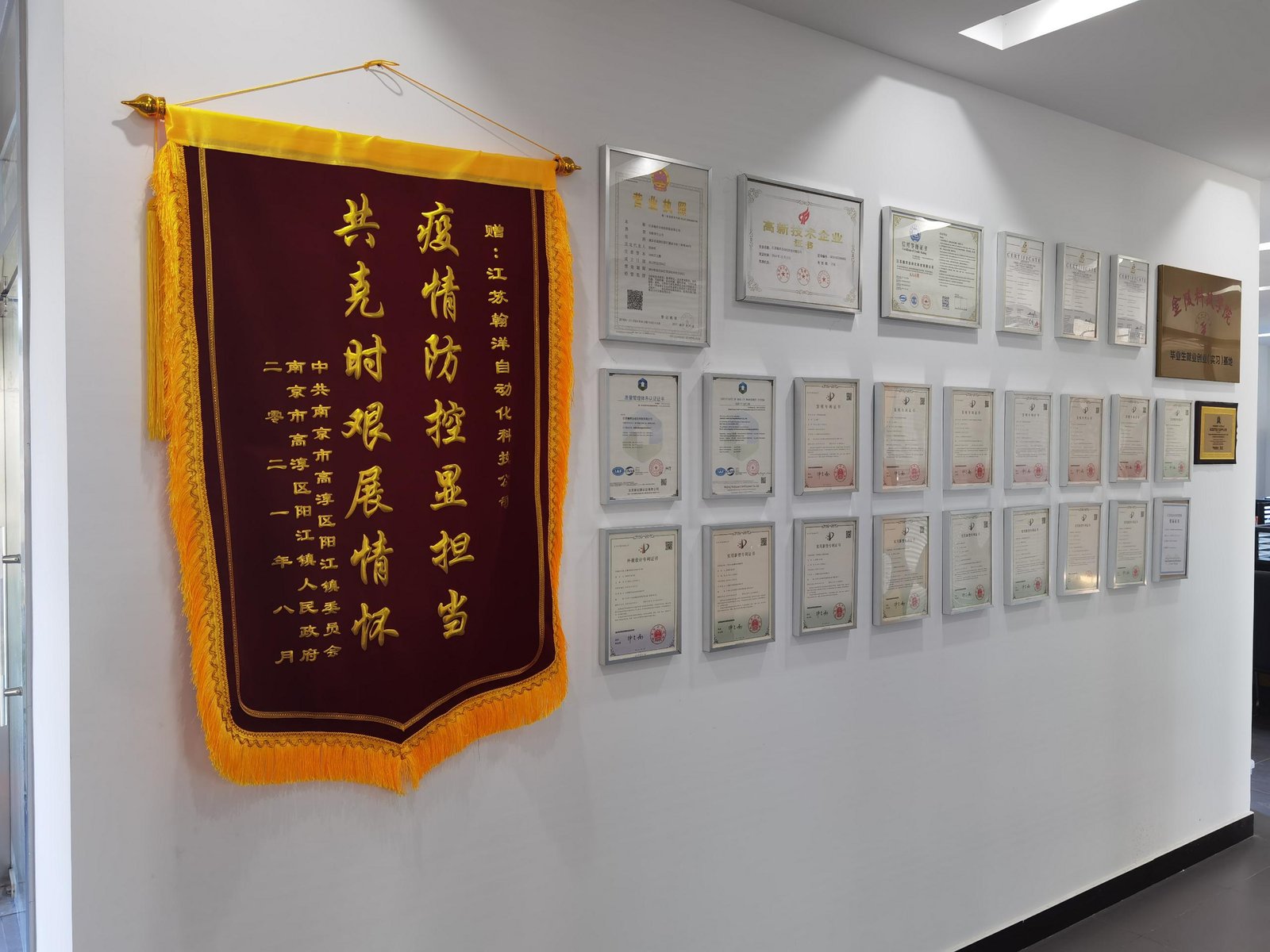
CPFTA creates real tariff reduction opportunities many buyers overlook. Suppliers like Hanyoo — with 50+ documented Pakistan exports — offer end-to-end support from customs clearance to logistics optimization. Beyond tariffs, high-efficiency motor specs can realistically save ~15% of total operating costs over the machine’s working life in Pakistan’s high-energy-cost environment.
Q: Why are Pakistani pharma companies retiring manual tablet equipment faster now?
DRAP’s escalating data integrity requirements are the primary driver. Manual and semi-automatic equipment cannot generate the real-time compression records modern audits demand. IoT-capable automated presses are the entry ticket into international generic supply chains — and Chinese-manufactured options have captured this space by delivering compliance performance at a cost structure European alternatives simply can’t match for Pakistan’s market realities.