Tablet Press Machine Buyers’ Guide: How to Choose the Right Supplier for Your Production Scale
The tablet press market is quietly having a moment. Most people outside pharma procurement don’t notice it, but the numbers tell a pretty compelling story. We’re looking at a market worth around $1.6 billion in 2025, and it’s expected to climb to $2.6 billion by 2035. That’s a steady 5.3% annual growth rate — nothing explosive, but solid and consistent. And for anyone sourcing equipment right now, that kind of sustained momentum actually matters a lot.
Pharmaceutical companies are upgrading fast. China’s leading the charge with a 7.2% growth rate, while India’s not far behind at 6.6%. Both are well above what the rest of the world is doing. Brazil and other emerging markets are hungry for reliable, cost-effective machines. Meanwhile, Europe and the US are chasing high-precision, multi-station models — and those now account for roughly 64% of market share. It’s a clear split. Pick the wrong supplier in this environment, and you’re not just overpaying — you’re risking production delays and quality headaches that snowball fast.
Here’s the uncomfortable truth about the current supply landscape. There are a lot of “follower” products out there that look the part but don’t have the technical depth to back it up. Machines in the 100,000–200,000 tablets-per-hour range make up about 36% of market revenue — they’re the workhorse segment. But plenty of manufacturers in that space can’t consistently deliver on quality. So while the market grows, the gap between strong suppliers and weak ones is actually widening. That’s your opportunity, if you know where to look.
Where This Industry Is Heading Through 2035
Growth isn’t going to be evenly spread across the decade. It’s actually backend-heavy — more than 60% of that projected $1 billion in cumulative new growth is expected to land between 2030 and 2035. So if you’re planning procurement strategy now, you’re essentially positioning for a wave that hasn’t fully arrived yet. And that’s exactly when positioning matters most.
Asia-Pacific is reshaping the supplier map. By 2030, China-led manufacturers could hold over 40% of global production capacity. Government backing for high-end equipment manufacturing is real, and it’s accelerating things. Single-punch machines are becoming relics — multi-station continuous production equipment is where serious manufacturers are putting their resources. High-end models clearing 200,000 tablets per hour are expected to gain significant ground. And on the European and American side, the top players are embedding AI monitoring into their systems. They’re targeting a 35%-plus reduction in human error. That’s not marketing fluff — it’s a genuine moat in high-precision segments.
Customization is becoming the default, not a premium. Food, cosmetics, and beverage companies are now serious buyers, not just pharma. But regulatory pressure is rising across all those industries. EU GMP certification has essentially become the minimum ticket to play in international markets. Chinese manufacturers with real global ambitions are pushing hard for ISO 13485 and CE — and the ones who’ve done it are already pulling ahead. The ones who haven’t are quietly getting squeezed out of serious procurement shortlists.
Matching the Right Machine to Your Production Scale
Let’s get practical. Not every company needs the same machine, and buying too much capacity is just as costly as buying too little.
If you’re running a smaller operation — say, under 50,000 tablets per hour — your main challenge is keeping initial costs reasonable without sacrificing reliability. Manual or semi-automatic presses make a lot of sense here. What you really want from a supplier is solid local service coverage and ISO 9001 compliance at minimum. Keep your per-unit investment under $50,000 where you can. Parts availability and local technical support response time matter more than people realize — a machine that sits idle waiting for components is a budget problem, not just a logistics one.
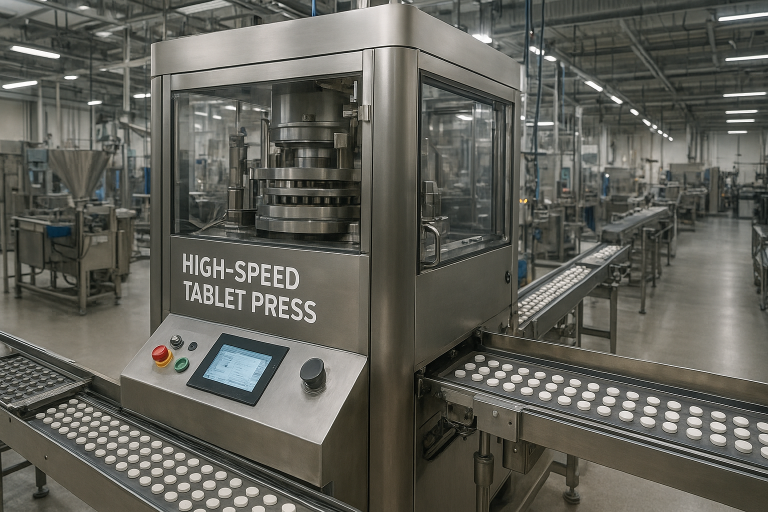
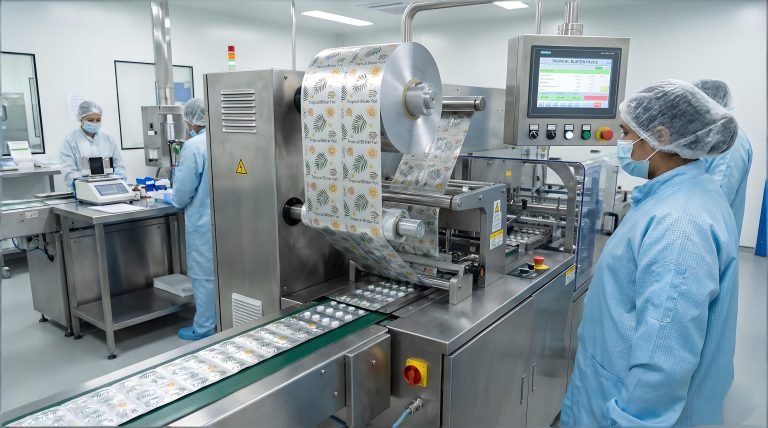
Mid-sized companies working in that 50,000–200,000 tablets-per-hour range are in a different situation entirely. Downtime hits harder at this scale. Fully automatic multi-station presses are the standard choice, but the supplier’s GMP compliance and OEM response speed are what actually determine your ROI. You want a partner who’s done this before, not one who’s figuring it out alongside you. A good supplier at this level pays for itself in equipment lifecycle performance — not just upfront specs.
Large multinationals are a different conversation. We’re talking over 200,000 tablets per hour, FDA or EU EMA compliance as non-negotiables, and deep OEM customization requirements. Yes, the upfront investment is significant. But when automation is dialed in properly — reducing manual intervention, cutting material loss — these systems typically return that investment within 18 months. What you’re really evaluating here is a supplier’s global deployment capability, cross-timezone support, and whether they’re genuinely committed to ongoing upgrades or just selling you a box.
Chinese vs. European Suppliers — What the Data Actually Shows
It’s not as simple as “China is cheap, Europe is quality.” That framing misses a lot of nuance. Chinese manufacturers have made serious strides in capacity, flexibility, and cost — high-capacity general-type machines can reach 200,000 tablets per hour, and OEM customization is genuinely strong. Price ranges typically sit between $50,000 and $150,000. Where there’s still room to grow is in ultra-high-end intelligent automation and compliance documentation — you’ll want to verify certifications item by item rather than taking anything at face value.
European suppliers bring exceptional precision and airtight GMP/FDA certification systems. Their equipment lifecycle stability is hard to argue with. But you’re paying $200,000 to $500,000 for it, and delivery cycles are longer. For large pharmaceutical companies producing innovative drugs in regulated markets, that premium is often justified. For others, it might not be.
US and German fully automated production lines are in their own tier — $300,000 and up, with AI monitoring built in and minimal manual intervention requirements. They’re excellent for high-end food, cosmetics, and R&D environments. But after-sales maintenance costs are real, and OEM customization flexibility is relatively limited. So match them to the right use case.
The rational approach is to make your supplier choice based on your actual scale, compliance requirements, and budget — not brand prestige or regional assumptions.
What to Actually Do Before You Sign Anything
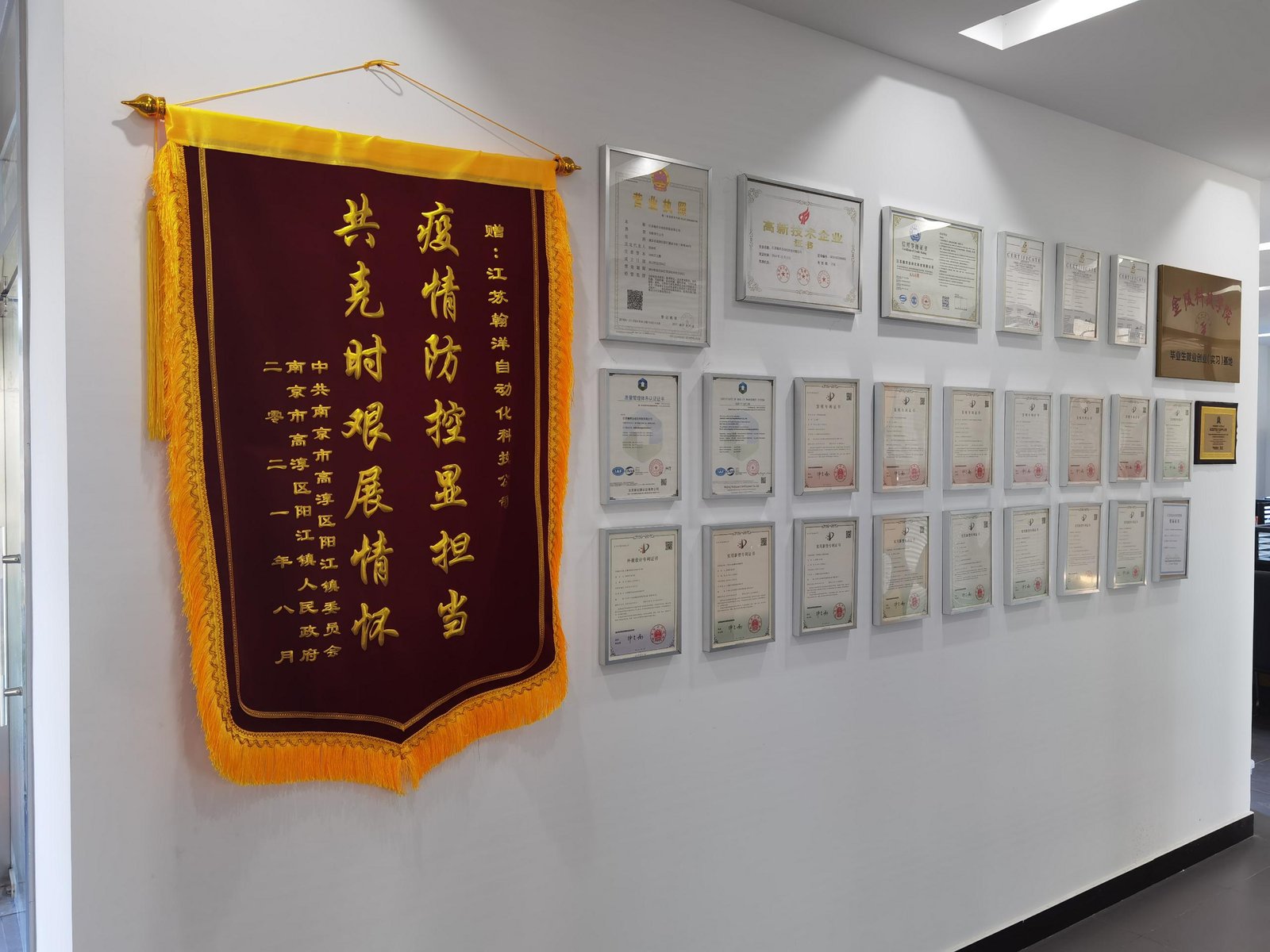
Start with credentials, and don’t skip steps. GMP, FDA, CE — verify the originals through official channels, not copies provided by the supplier. ISO 13485 certification is increasingly the real differentiator in international procurement systems, so weight it accordingly.
Then ask for data. Real capacity stress test reports, not brochures. You want to see defect rates consistently below 1% and evidence of stable performance across long production runs. If they can’t produce that, that’s your answer.
And before any major commitment, start small. A trial OEM order tells you things a supplier pitch never will — on-time delivery rate against a 45-day benchmark, how they handle unexpected issues, and whether their communication holds up under pressure. It’s not lack of trust. It’s just smart procurement.
Since the global market is expected to keep growing at 5.3% annually, there’s real strategic value in building supplier relationships with mid-to-high-end capacity now rather than scrambling during a capacity crunch later. Use third-party audit services where you can. Ask for credential document packages upfront, including equipment test videos. And don’t let a below-market price tag distract you — what looks like savings on day one often surfaces as maintenance costs and downtime losses over the equipment’s actual working life.
Getting supplier selection right isn’t just a procurement checkbox. It’s one of the most direct levers you have on production efficiency and cost structure over the long run.
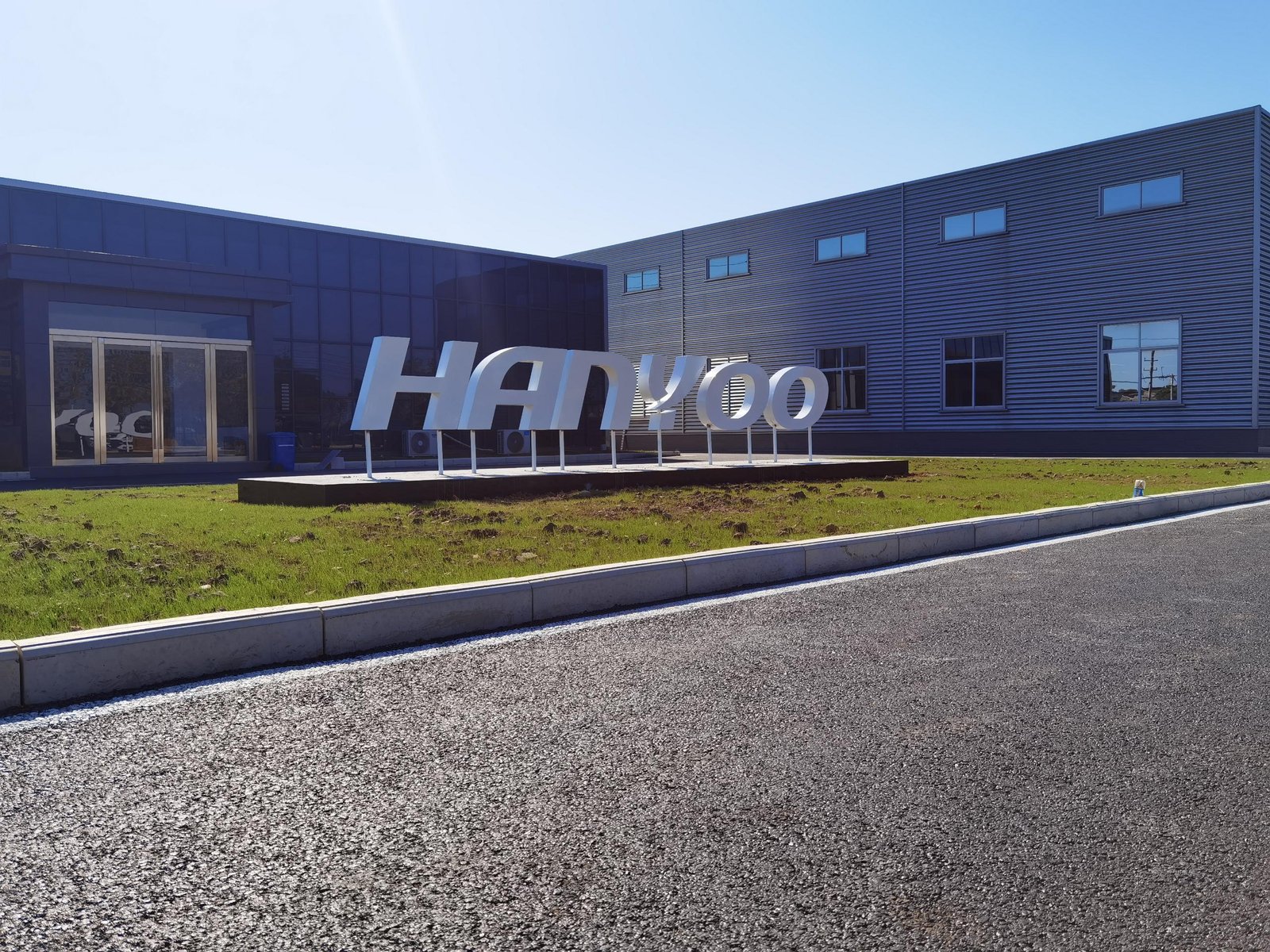
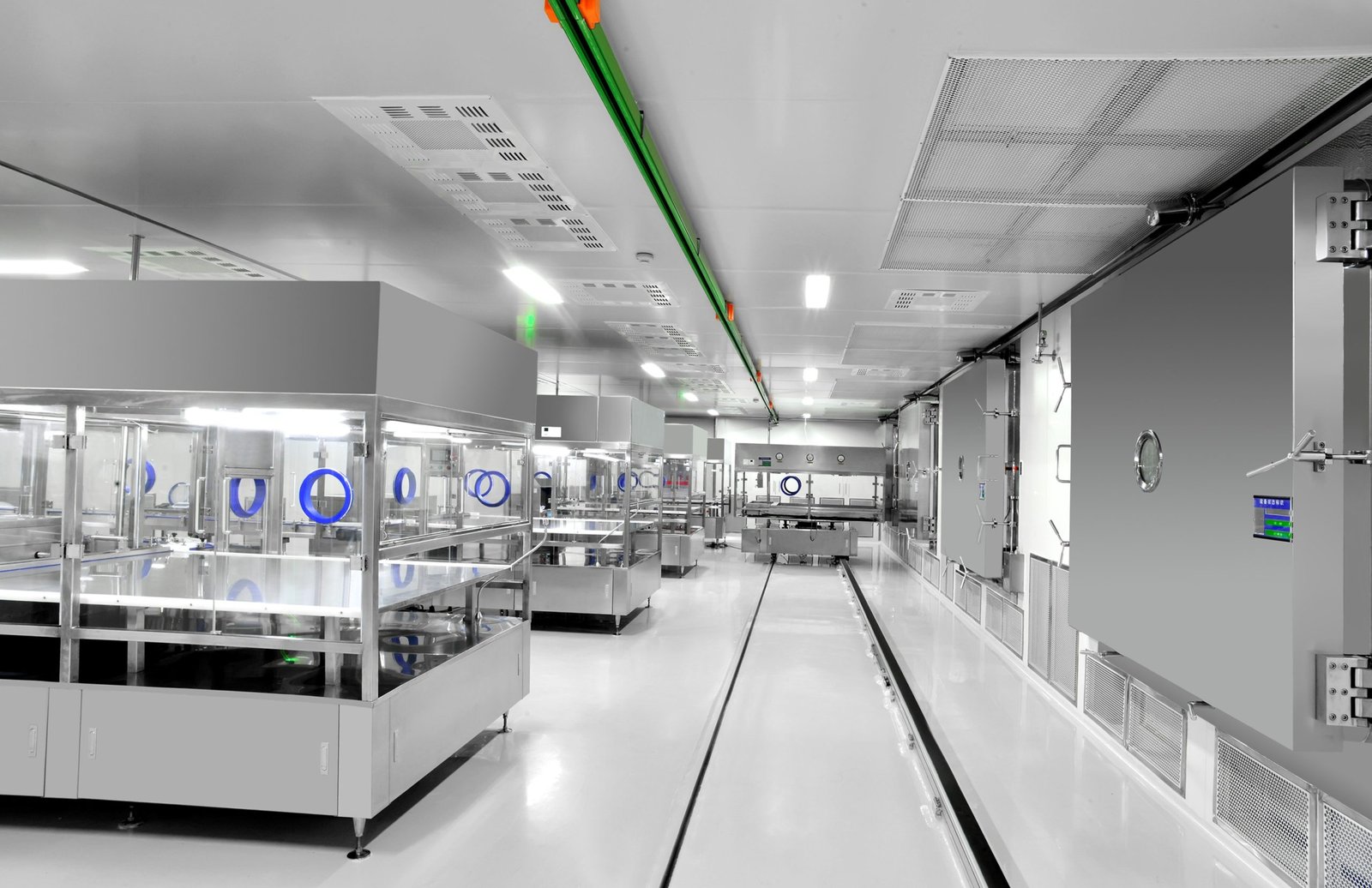
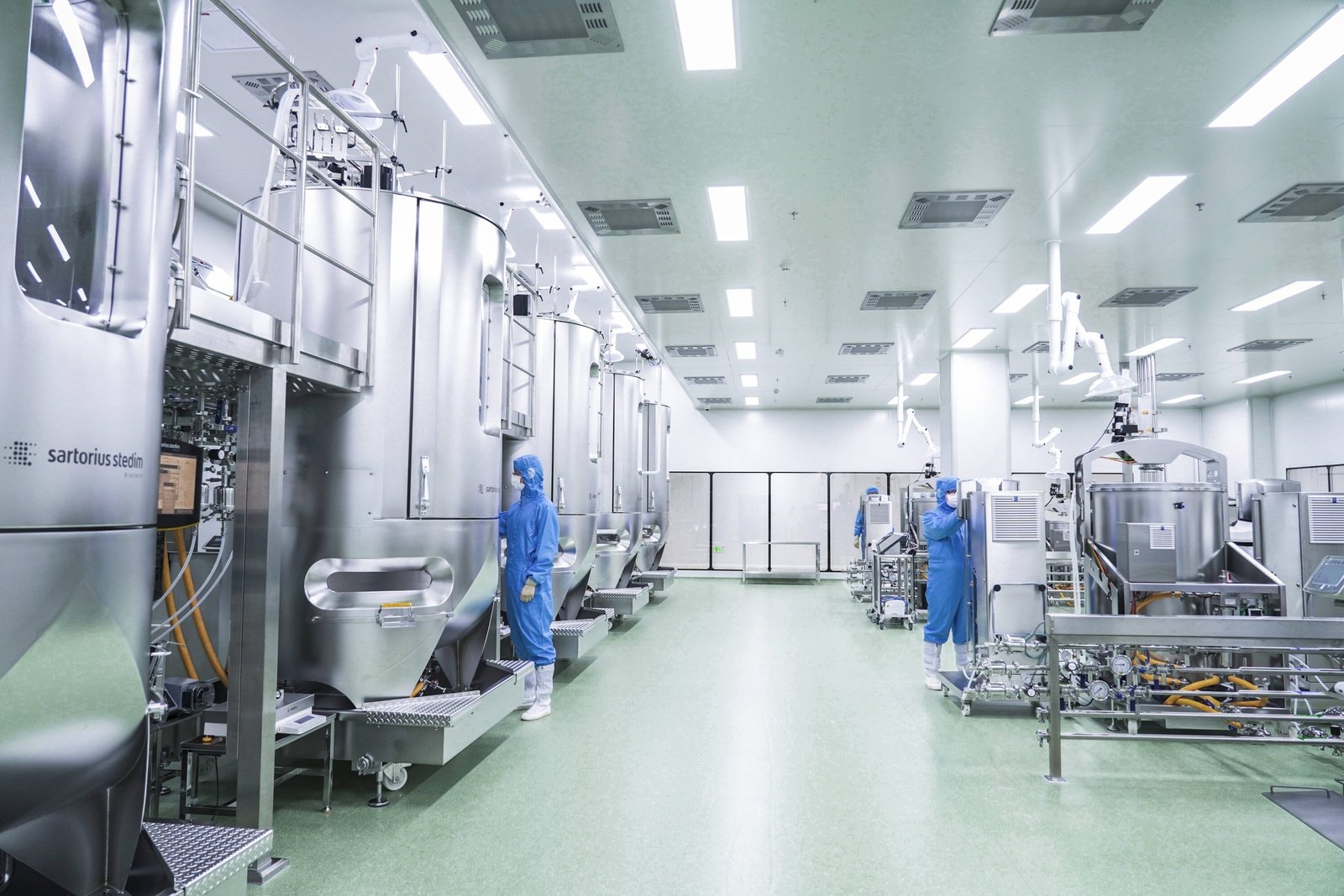
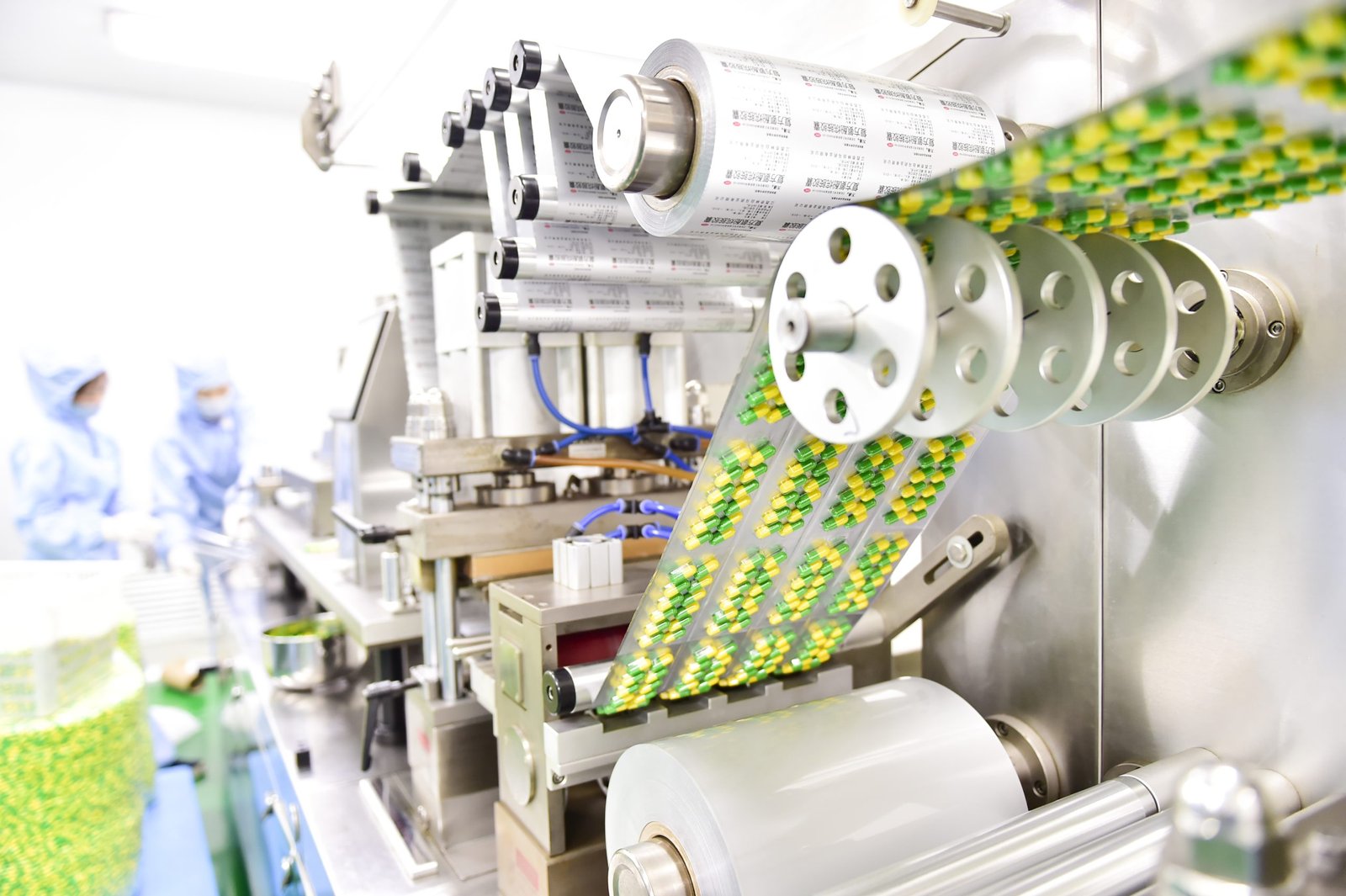
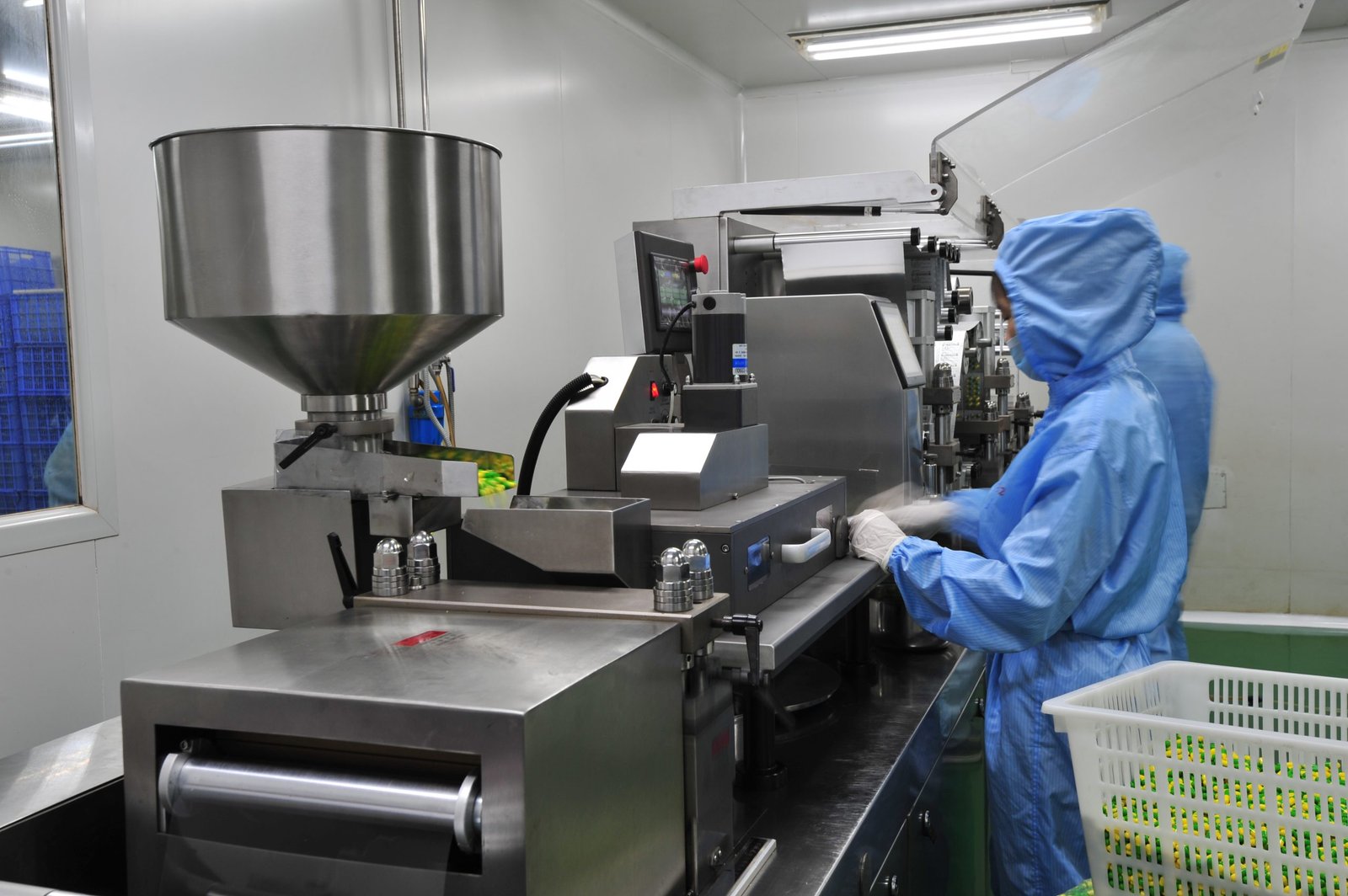
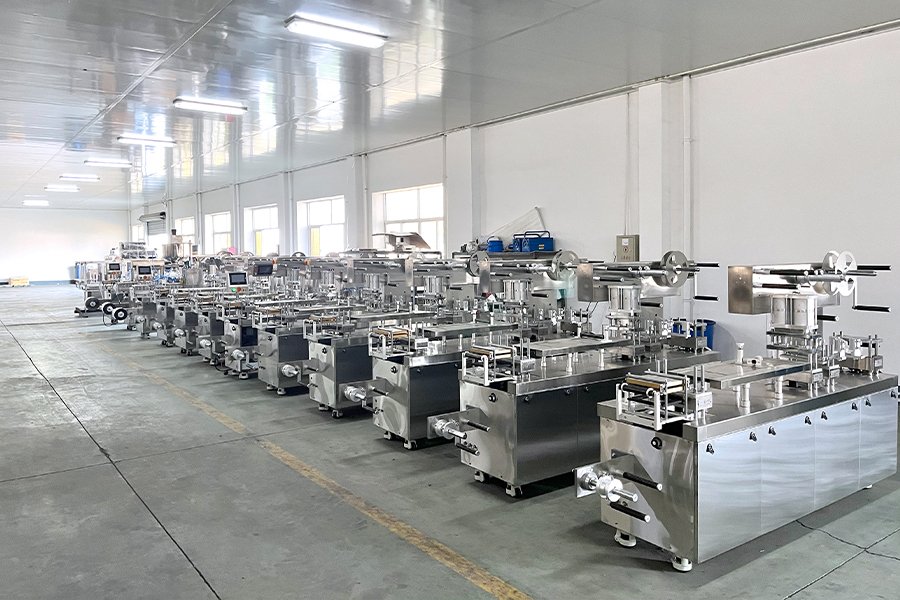
Welcome To Our Pharmaceutical Equipment Line Factory!
Why Choose Us
Specialized Factory
Economical Pricing Options
On-Time Delivery
Perfect Customer Service
Custom Solutions Available
Our technical experts are always ready to assist you in finding the perfect customized solution for your needs.