
Tablet Press Types Compared: Rotary, Single-Punch, Continuous & More
In the global expansion of pharmaceutical and nutraceutical production, choosing the right tablet press is more than a capital decision — it directly drives your OEE, GMP compliance cost, and speed to market.
As of Q1 2026, the market is clearly split: rotary presses dominate high-volume lines with a 42.8% share, while single-punch machines and Continuous Manufacturing (CM) systems serve R&D and custom production. This guide evaluates major press categories across technical specs, automation depth, and 5-year TCO.
Part 1 — The Six Core Tablet Press Categories, Explained
1. Single-Punch Tablet Press
The standard choice for R&D and pilot-scale work. A single tooling set in reciprocating motion delivers minimal material loss and fast die changeovers.
- Output range: 10,000 – 40,000 tablets/hour
- Technical note: Single-direction compression is ideal for evaluating powder compressibility in early formulation
- 2026 shift: Manual controls are giving way to touchscreen interfaces with real-time pressure monitoring, holding weight deviation within ±2%
2. Rotary Tablet Press
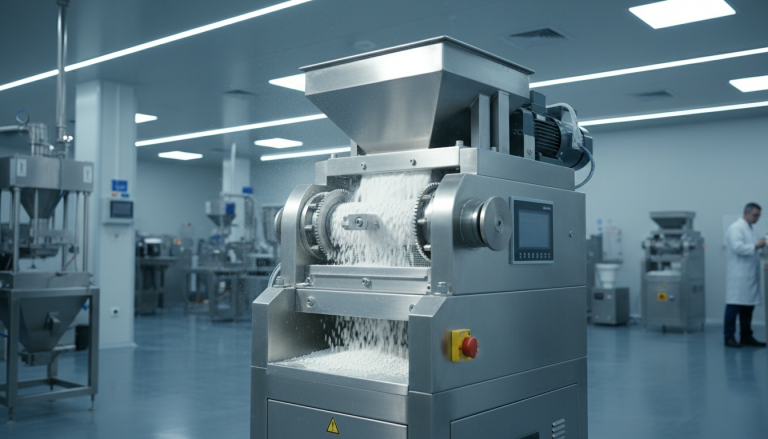
The backbone of modern pharma manufacturing. Multiple tooling stations on a rotating turret enable near-continuous, high-volume output.
- Output range: 50,000 – 250,000 tablets/hour
- Key data point: Compression efficiency runs 30%+ higher than single-punch equivalents
- Automation: IoT-driven predictive maintenance (Level 3) is now standard for mid-to-large manufacturers
3. Multi-Station and Ultra-High-Speed Presses
Built for global-scale commodity pharma — OTC and chronic-disease generics at national distribution volume.
- Peak output: Models like the Syntegon TPR 700 exceed 1,000,000 tablets/hour
- Engineering highlight: Modular turret design enables full tooling changeover in under 15 minutes, balancing throughput with flexibility
4. Continuous Manufacturing Systems
The most disruptive category of 2024–2026. No batches — raw material enters one end, finished tablets exit the other without interruption.
- Quality consistency: Inline NIR monitoring holds variation to ±0.5%
- Energy efficiency: 15–20% lower consumption than conventional batch processing
5. High Containment Tablet Presses
Designed for HPAPI and cytotoxic compounds, where operator safety is the sole design priority.
- Containment rating: OEB 4/5 closed-system certified
- Required features: Remote operation and automated CIP — zero direct product contact with operators
6. Modular Compact Presses
Ideal for space-constrained facilities or CDMOs running high-mix, low-volume production. Footprint is just 60% of traditional machines, with surprisingly high automation for the size.
Part 2 — Automation Depth: The Real Determinant of Output and Cost Structure
In 2026, the question isn’t whether to automate — it’s how deep automation needs to go.
| Automation Level | Core Characteristics | 5-Year TCO Profile | Best-Fit Buyer |
|---|---|---|---|
| Level 2 — Fully Automatic | Auto-feeding, weight self-correction | Moderate acquisition cost; low labor dependency | Mainstream mid-size pharma |
| Level 3 — Intelligent Systems | IoT real-time monitoring, predictive data alerts | Higher upfront cost; minimal maintenance cost | Top-tier CDMOs, export-focused manufacturers |
| Level 4 — Industry 4.0 | AI parameter self-adaptation, full-chain integration | Highest initial investment; best long-run ROI | Global pharmaceutical majors |
Expert insight: For machines running above 100,000 tablets/hour, Level 3 systems typically deliver lower 5-year TCO than Level 2 — unplanned downtime falls by roughly 30%, and the numbers resolve faster than most buyers expect.
Part 3 — 2026 Global Tablet Press Competitive Matrix
| Brand / Model | Core Advantage | 2026 Market Position | Reference Price (USD) |
|---|---|---|---|
| GEA NexGen Press® 45 | FCO ECM rapid changeover module; OEB 5 containment | HPAPI and multi-product changeover specialist | $1.2M+ |
| KORSCH X3 | Combines ultra-high output with rapid turret changeover | First choice for large pharmaceutical manufacturers | $1.5M – $2.2M |
| Hanyoo Smart Series | Tiered upgrade architecture; retrofit IoT compatibility | Mid-size companies with flexible expansion plans | $300K – $700K |
| Syntegon TPR 700 | Million-tablet-per-hour output; continuous production stability | Global flagship product manufacturing base | $3M+ |
Part 4 — The Selection Decision Framework: Avoiding Common Procurement Traps
The “Rugby Ball” Rule on Capacity Targets
Don’t overbuy for peak-week production. The 2026 consensus: 60,000 to 150,000 tablets/hour is the optimal range for balancing flexibility and energy efficiency in most operations.
Watch Out for “Island” Equipment
Before signing, confirm MES/ERP integration support. Equipment that can’t connect to your data ecosystem depreciates fast — and that timeline is accelerating post-2026.
Verify Real Downtime Rates — Not Spec Sheet Claims
Request runtime data from at least three customers with two-plus years of active use. For intelligent systems, unplanned downtime should be under 100 hours/year. If a supplier can’t provide that, take note.
Part 5 — Industry Challenges and How Hanyoo Addresses Them
The core tension in pharma manufacturing today: rising technical complexity versus a growing shortage of skilled operators. Hanyoo targets this gap with three solutions:
- Non-invasive IoT retrofit — Sensor modules add to existing Level 2 equipment without major downtime. An upgrade path, not a replacement.
- Bilingual intelligent interface — Graphical guided workflows cut new operator training from two weeks to two days.
- Automated compliance documentation — One-click FDA/GMP record generation reduces per-batch documentation from 8 hours to 15 minutes.
Conclusion
Tablet press selection in 2026 is fundamentally a data strategy decision. Level 3+ intelligent rotary presses offer the clearest path to lower TCO, while continuous manufacturing opens new cost advantages at the leading edge.
The winners aren’t buying the most expensive machines — they’re matching automation depth to actual production needs and building infrastructure that scales without starting over.
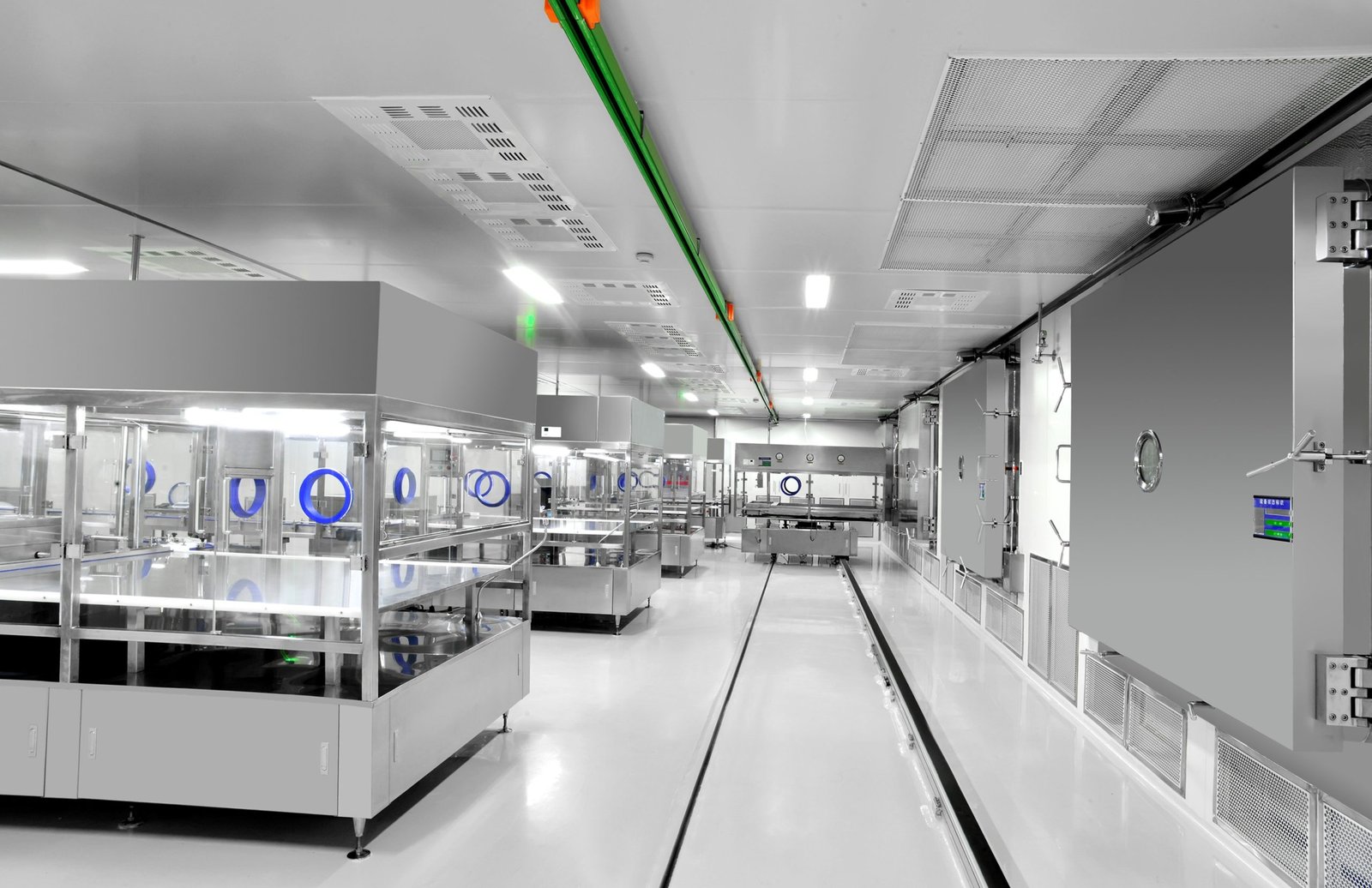
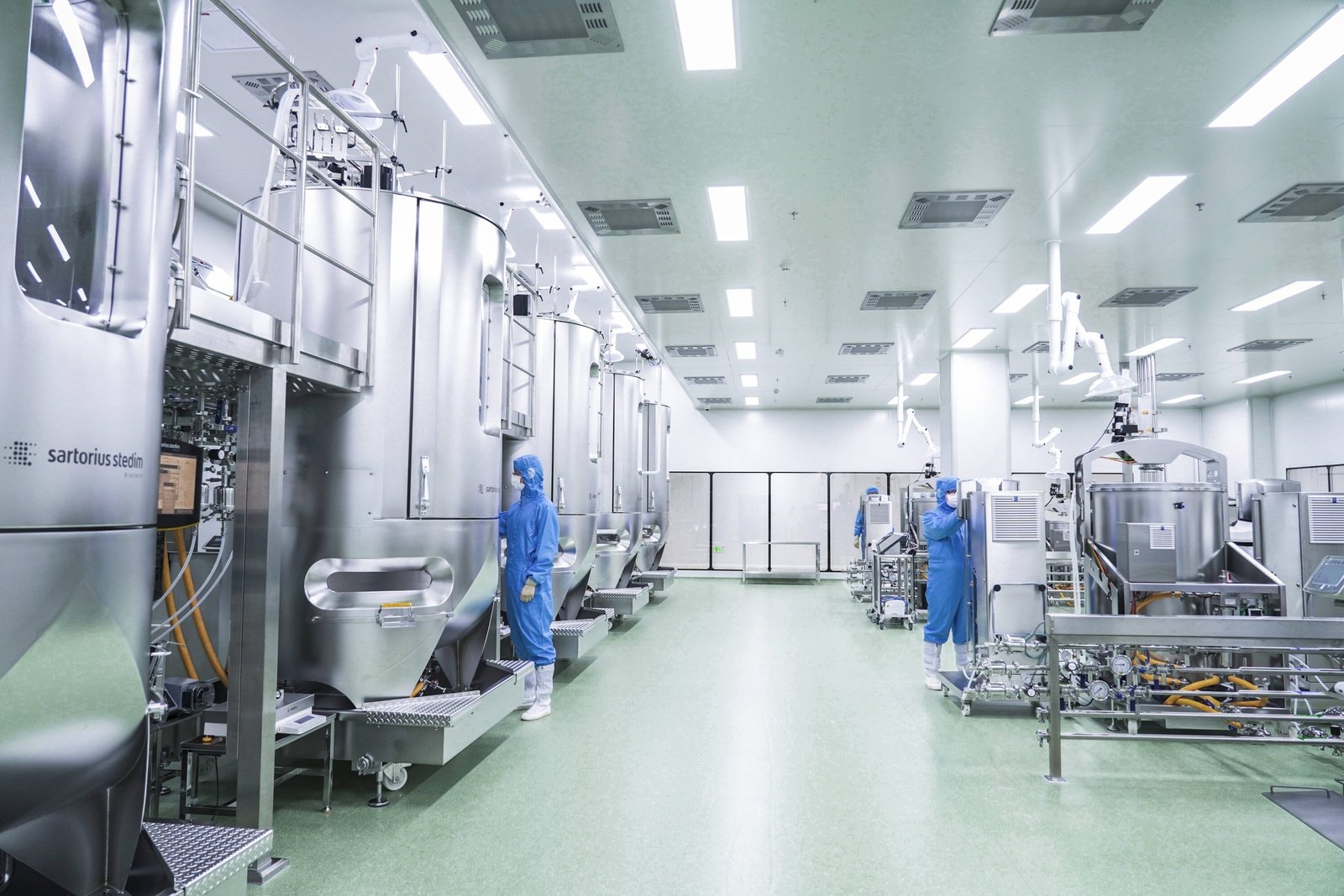
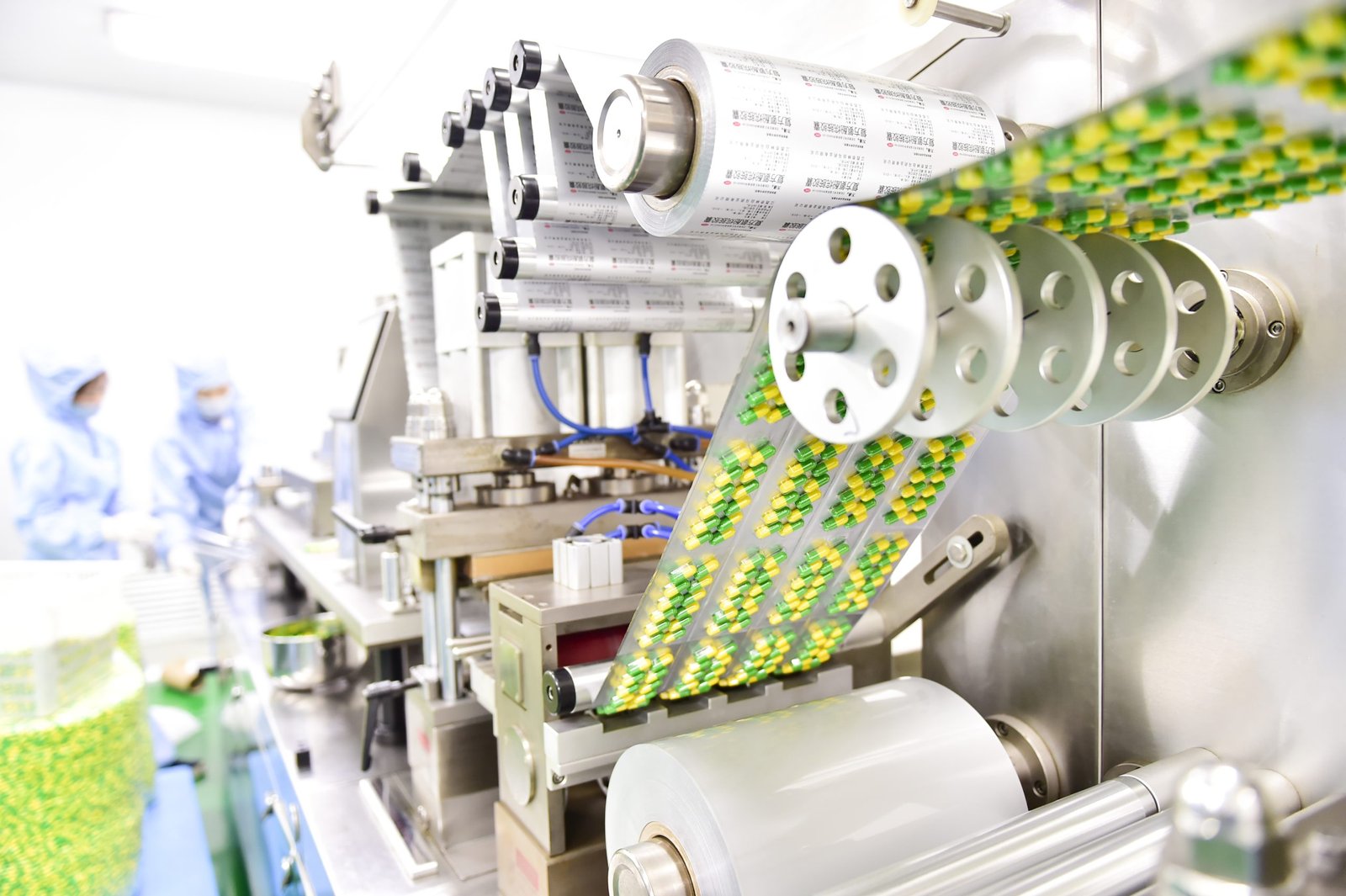
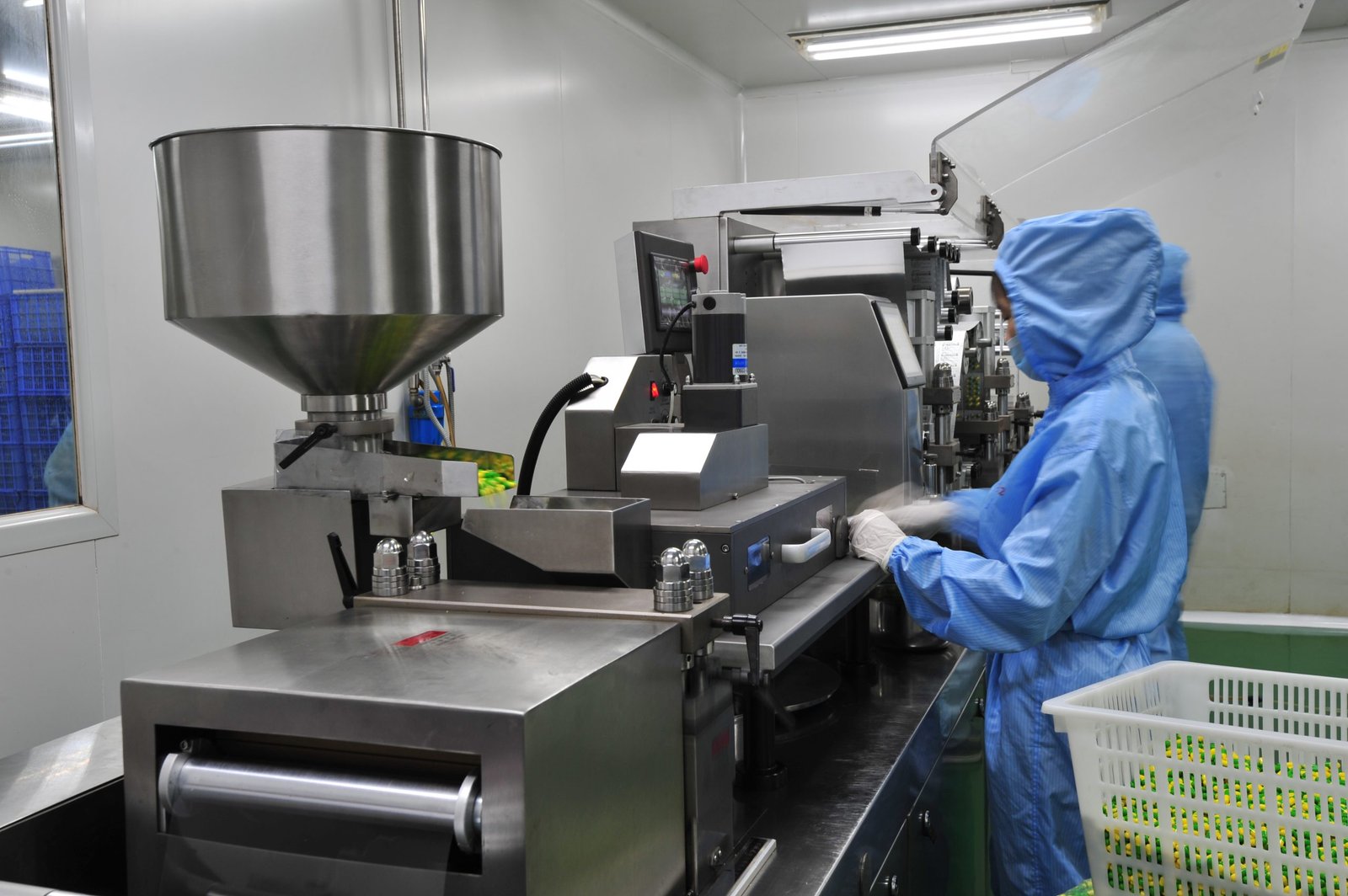
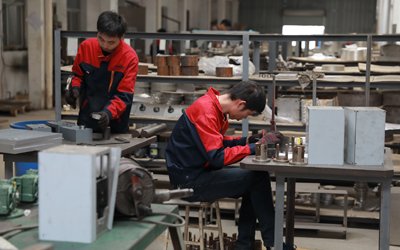
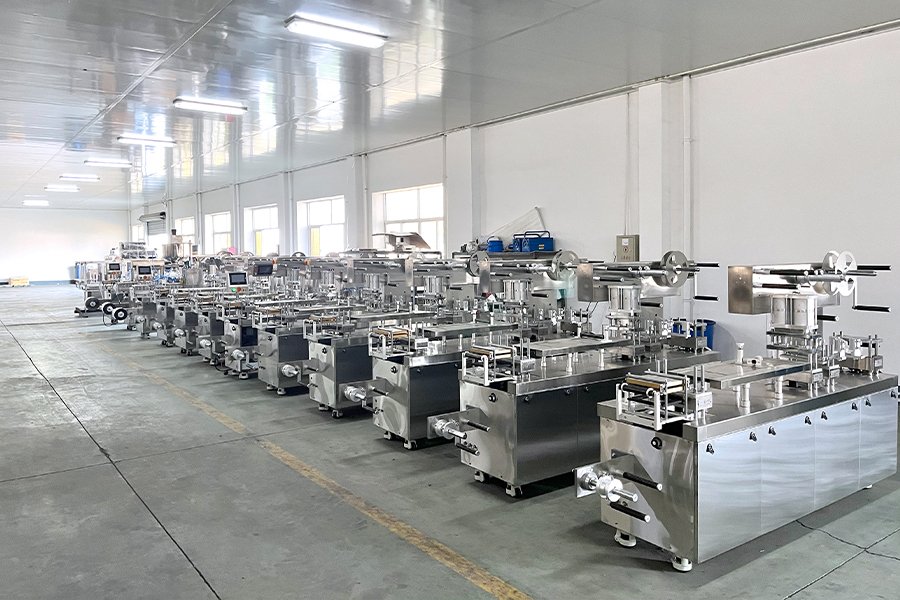
Welcome To Our Pharmaceutical Equipment Line Factory!
Why Choose Us
Specialized Factory
Economical Pricing Options
On-Time Delivery
Perfect Customer Service
Custom Solutions Available
Our technical experts are always ready to assist you in finding the perfect customized solution for your needs.