
Capsule Filling Machine Bosch: Top Brands Compared & Buying Guide
The capsule filling machine market is on a strong growth trajectory. Bosch remains the dominant force in the high-end segment with its precision automation systems. The global market is projected to reach $1.9 billion in 2026, growing at a 6.1% CAGR over the next decade. [Source:https://www.futuremarketinsights.com/reports/capsule-filling-machines-marke]
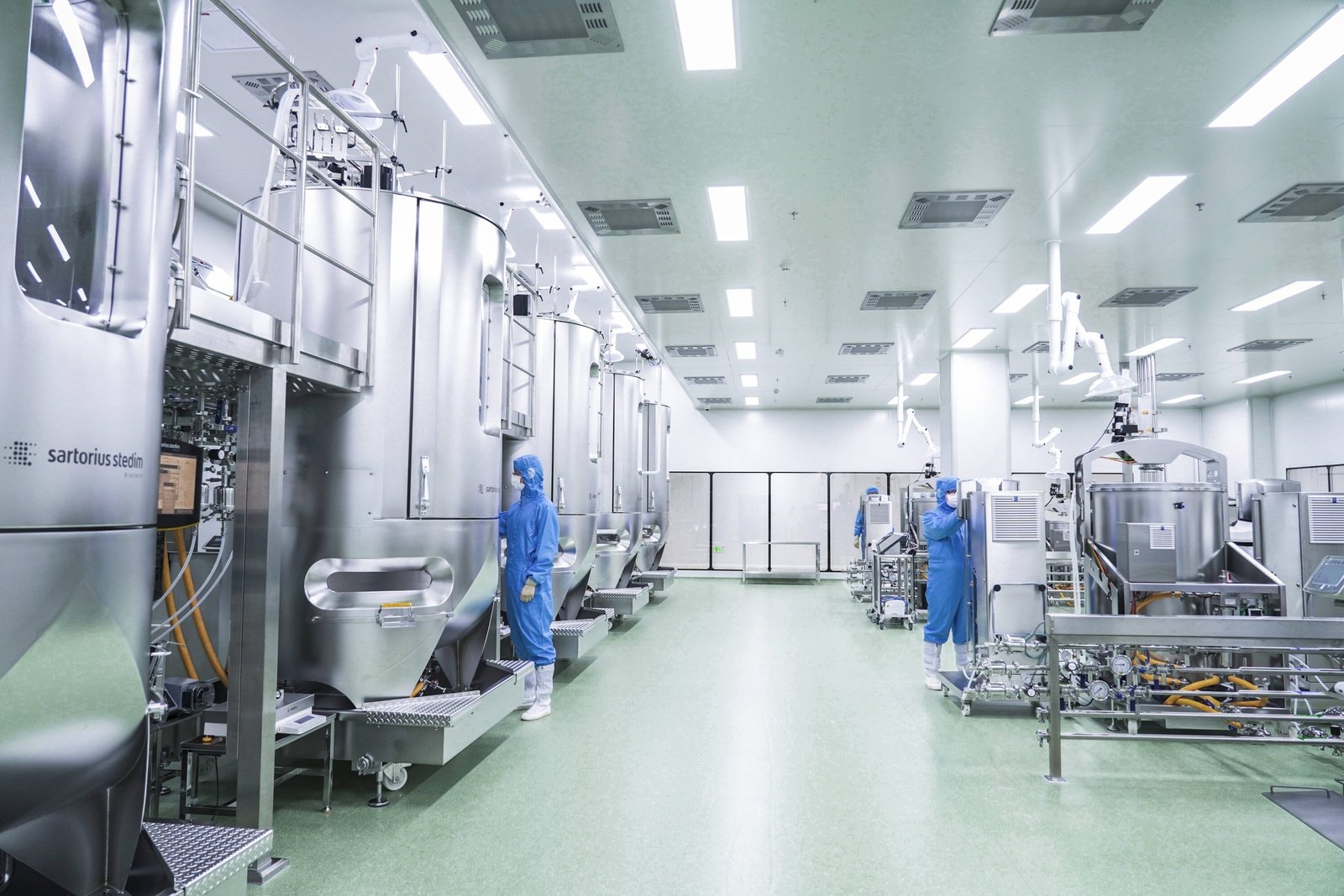
Growth is driven by an aging population boosting healthcare demand, and biotech breakthroughs forcing manufacturers to upgrade production. Modern pharma requires precise fill accuracy, batch consistency, and sterile conditions. Legacy equipment can no longer meet compliance standards — automation is now essential.
The Automation Revolution in Pharma Manufacturing: Bosch and the High-End Market
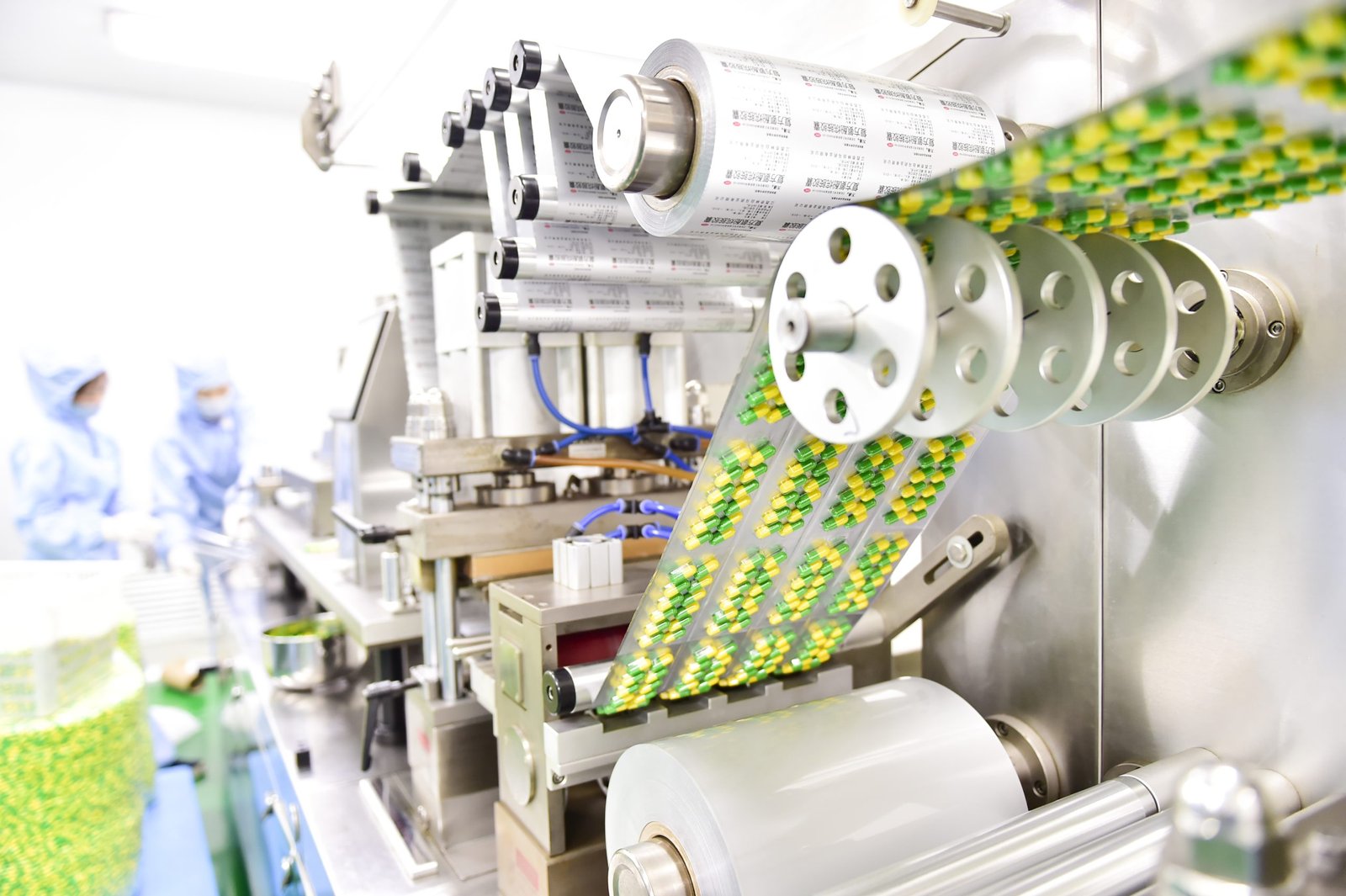
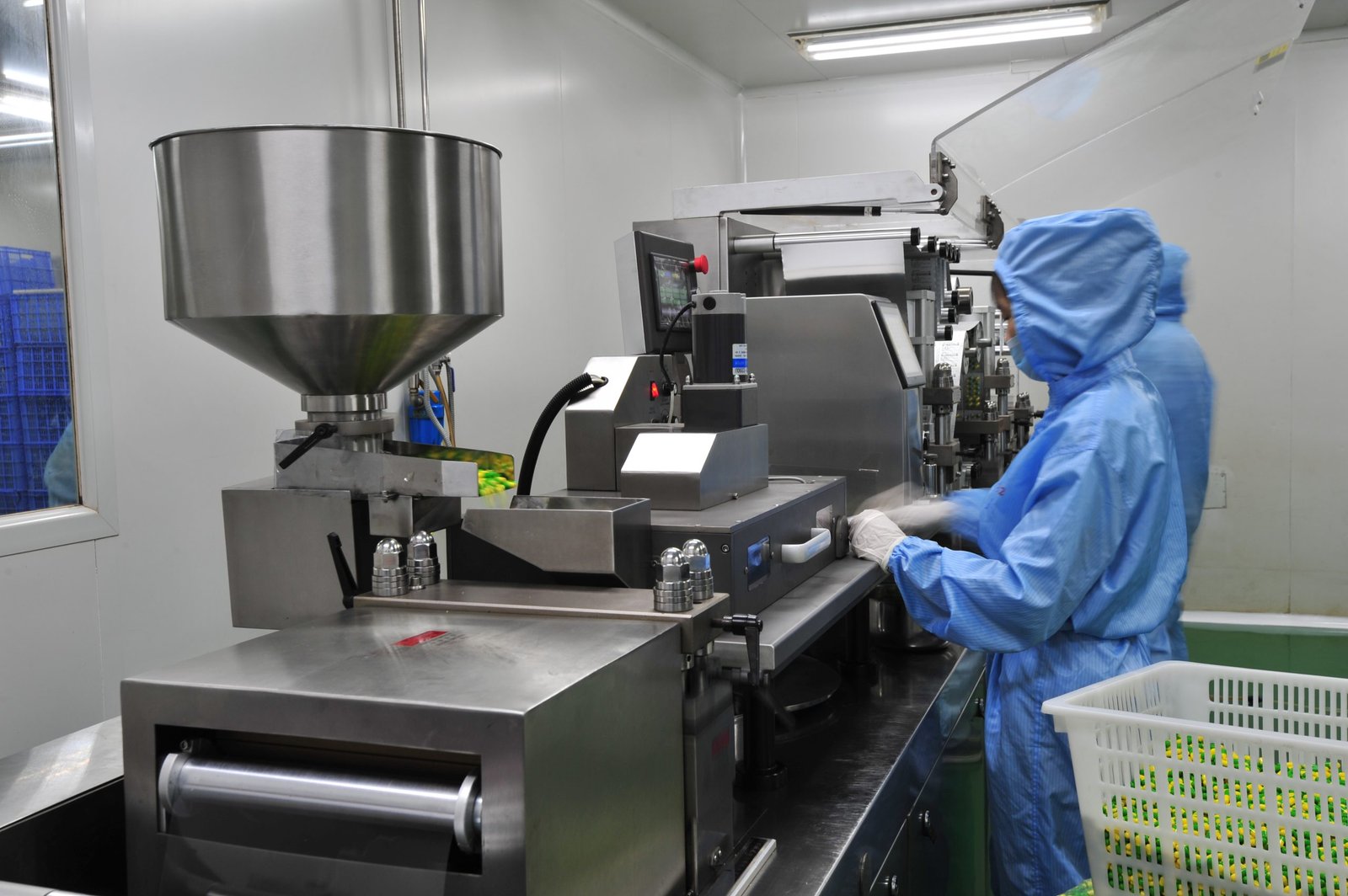
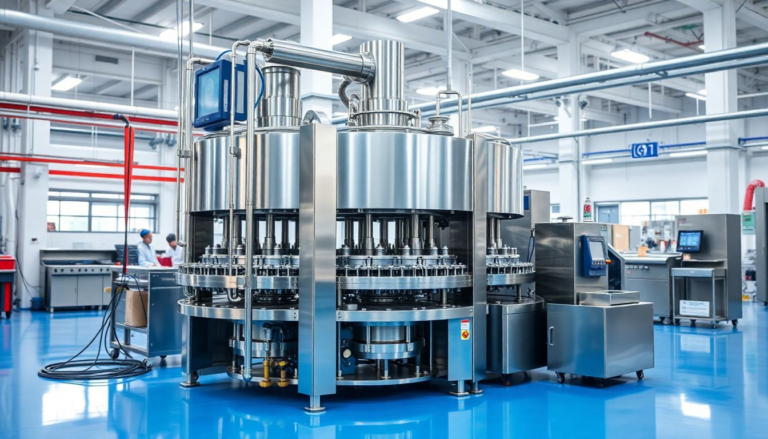
Pharma manufacturing balances two demands: production efficiency and regulatory compliance. The capsule filling machine Bosch GKF series addresses both through servo-driven systems and PLC closed-loop control, enabling fast format changeovers and reliable multi-SKU, small-batch production.[Source: https://www.datainsightsmarket.com/reports/capsule-filler-machine-960641]
Industry benchmarks now include digital monitoring, predictive maintenance, and modular platforms. Bosch and IMA continue to invest heavily in R&D and acquisitions. Their real advantage lies not just in hardware, but in the embedded process knowledge that protects production consistency and long-term ROI.
Equipment Selection Strategy for Different Pharma Scale
Market demand has split into two ends of the spectrum. Knowing your scale simplifies the buying decision.
Matching Capacity Needs to the Right Machine
- Growing manufacturers (< 1 billion capsules/year): Prioritize flexible, low-capacity automated machines with quick changeover for tight budgets and frequent product line changes.
- Mid-size operations (1–5 billion capsules/year): Stability and precision are critical. Bosch’s mid-range models reduce downtime and support smooth production scaling.
- Large-scale enterprises (> 5 billion capsules/year): Full automation and high throughput are non-negotiable. High-speed machines shorten the ROI cycle and virtually eliminate contamination from human handling.
Competitive Benchmark: Key Players at a Glance
The global market is led by Bosch, IMA, and ACG. Here’s how major brands compare:
| Brand / Series | Core Strengths | Room for Improvement | Best Fit | Est. Investment (USD) |
|---|---|---|---|---|
| Bosch (GKF Series) | Exceptional servo precision, fast modular changeover, integrated AI monitoring | Higher upfront cost | Large pharma, high-value sterile biologics | $150,000 – $500,000 |
| IMA (C9090) | Peak single-machine output, wide global service network | Longer lead times for custom configs | Mid-to-large nutraceutical lines | $120,000 – $400,000 |
| ACG Worldwide | Strong sterile system for vaccines, solid price-performance ratio | Software UX needs refinement | Emerging market pharma companies | $100,000 – $300,000 |
| MG2 | Compact footprint, high output per square meter | Stability limits at very high volumes | Small-scale CMOs | $80,000 – $250,000 |
| Harro Höfliger | Precision filling expertise for biotech applications | High maintenance and spare parts cost | Cutting-edge biotech R&D labs | $200,000 – $450,000 |
How Hanyoo Competes Differently
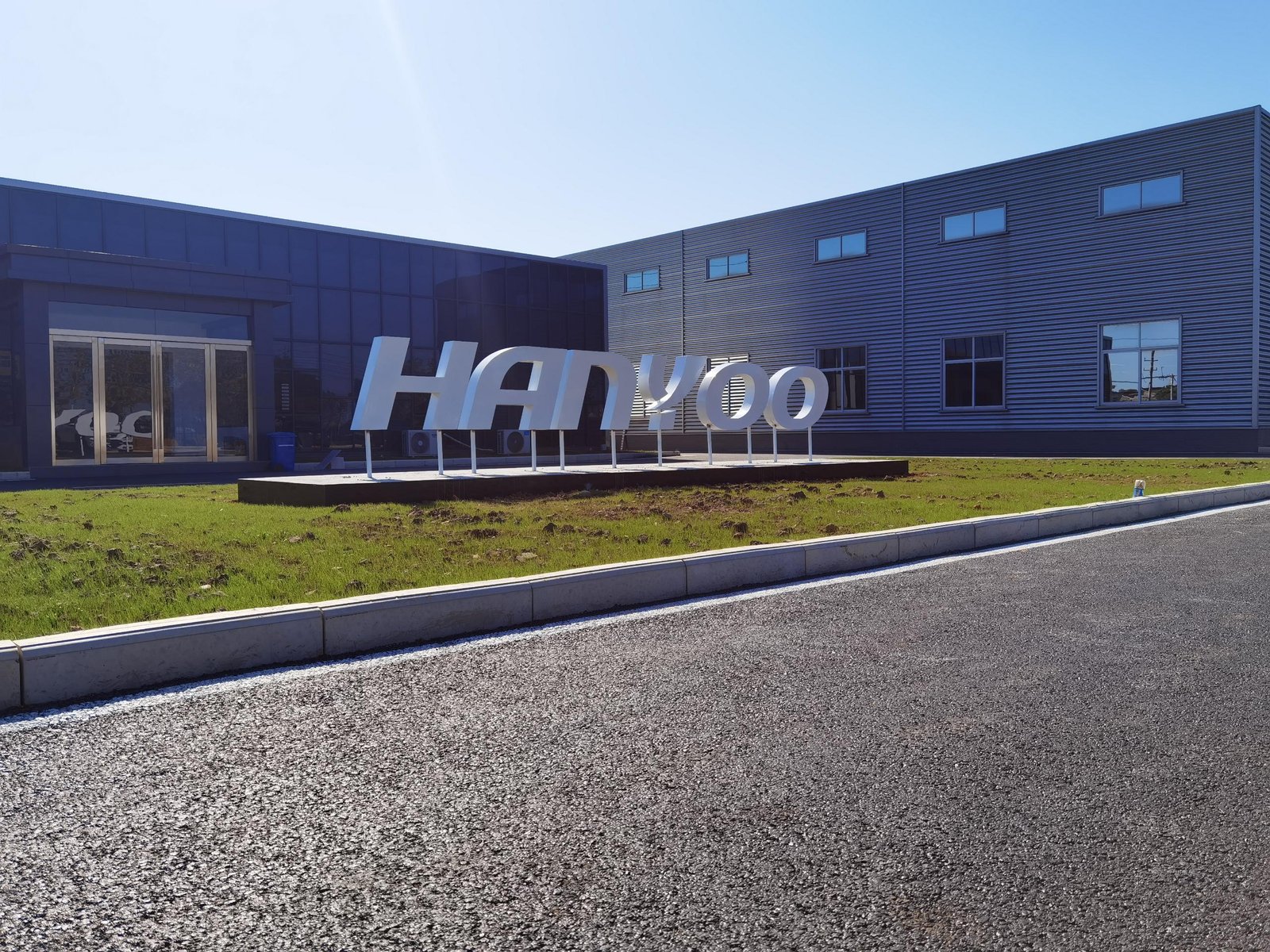
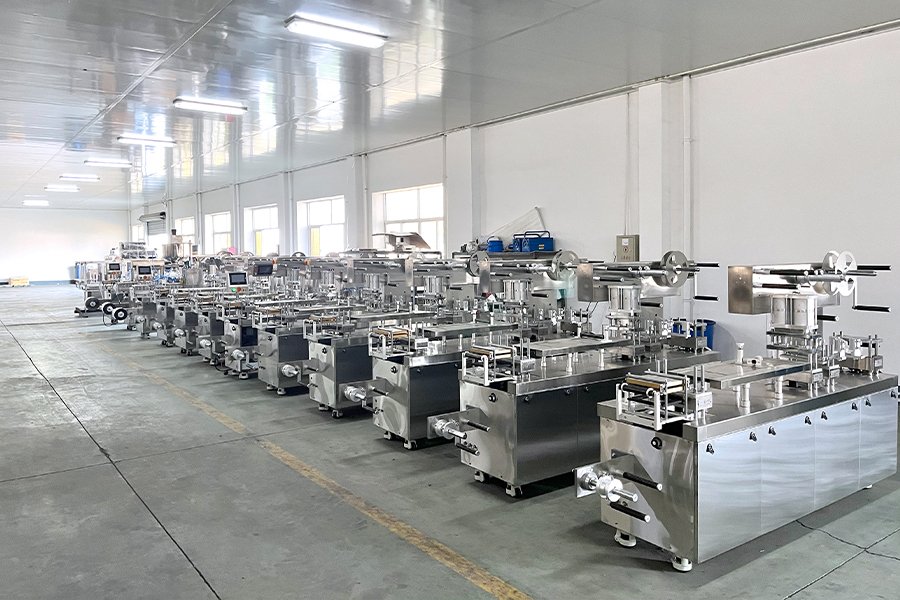
Hanyoo Pharmaceutical Machinery fills the gap between Bosch’s premium pricing and the limitations of conventional equipment.
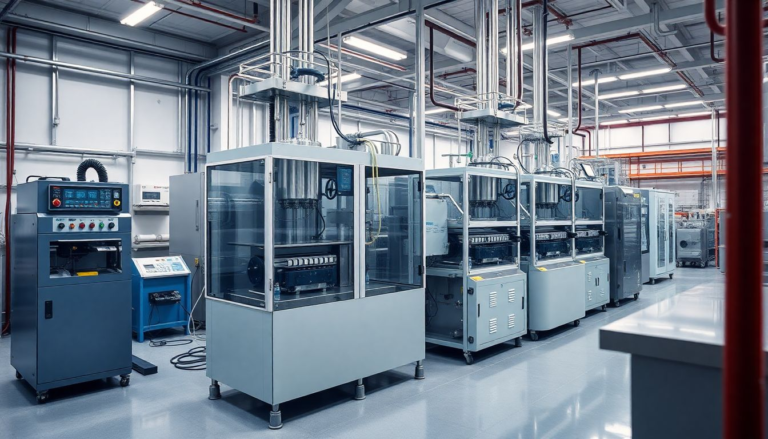
Our fully servo-driven capsule filling machine delivers fill accuracy within ±0.5%, with significantly reduced changeover time. The modular platform supports rapid capsule size switching — directly solving mid-size manufacturers’ key pain points.
- Smart vision rejection system — finished product yield consistently exceeds industry average
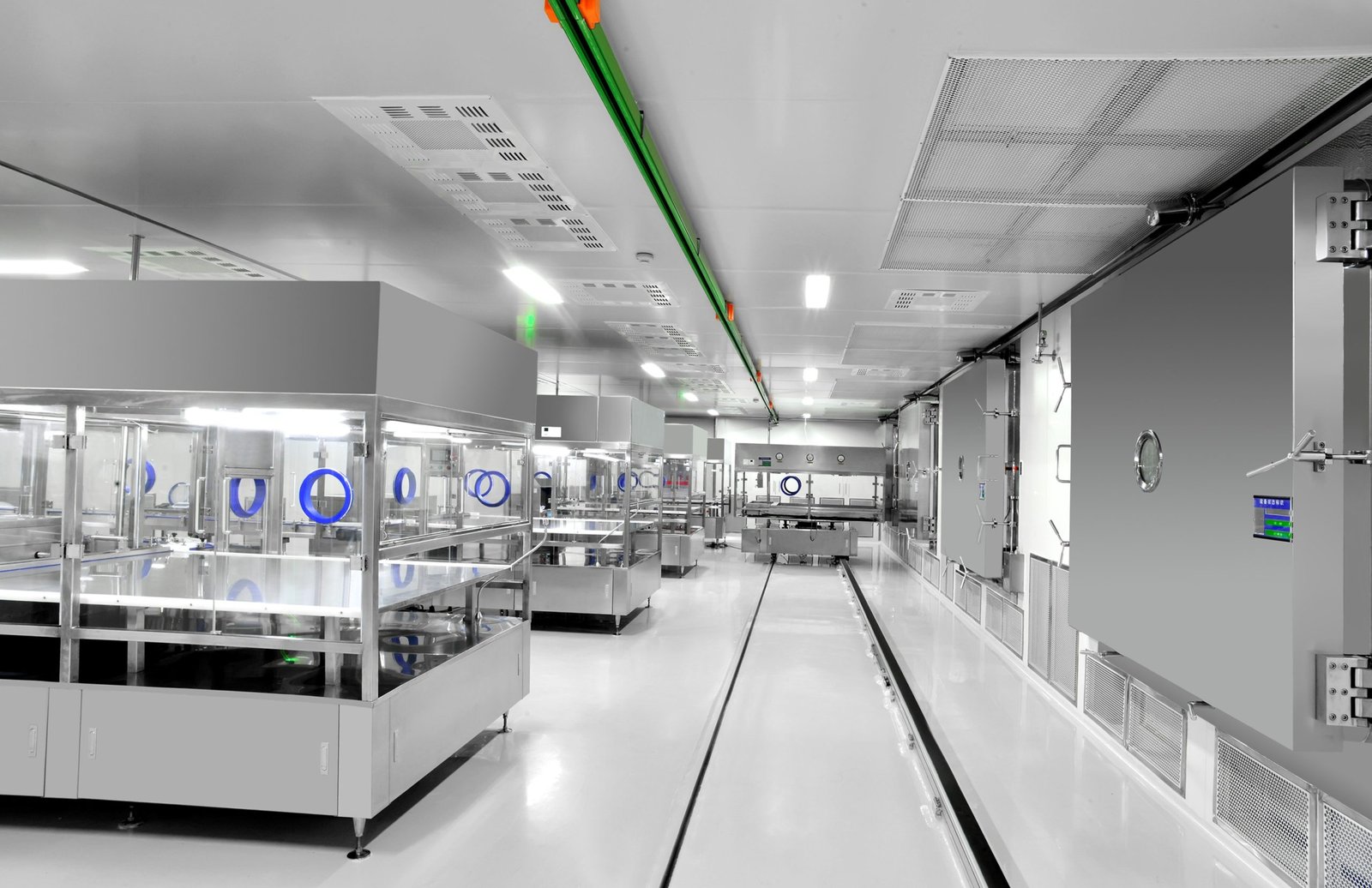
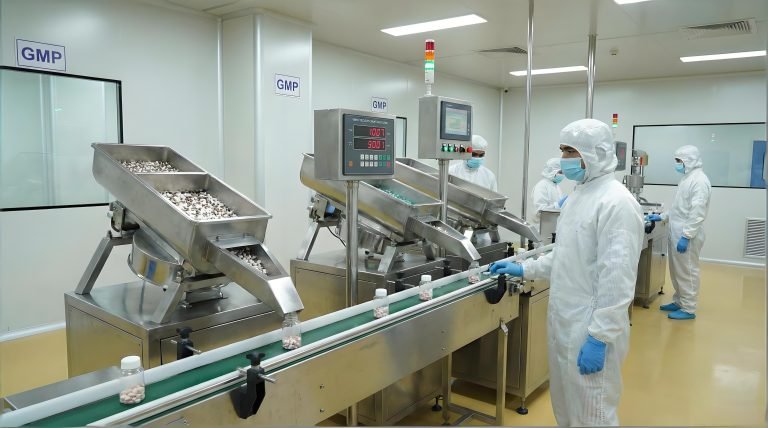
- Fully enclosed isolation chamber — meets EU GMP standards and reduces cleaning downtime
- Simplified control interface — reduces operator dependency and lowers training costs
One nutrition brand customer achieved near-zero cross-contamination after switching to our system, reaching breakeven within 12 months by controlling total cost of ownership.
Final Thoughts
Bosch and peers set the industry’s technical ceiling — but the smartest purchase isn’t about brand prestige. It’s about fit.
- Match capacity gaps first — align machine specs to your annual production volume
- Compare total value, not sticker price — include maintenance costs and downtime risk
- Validate with a live demo — test changeover speed and fill accuracy before committing
- Front-load compliance checks — confirm the machine meets your target market’s regulatory requirements (FDA, GMP, etc.)
FAQ
Q: What’s the price trend for high-end capsule filling machines in 2026?
Using the Bosch GKF series as a benchmark, high-end configurations range from $150,000 to $500,000. Maintenance costs sit around 8% of total cost, and strong resale value makes it a sound long-term investment.
Q: What’s the most important factor when choosing an automatic capsule filling machine?
Capacity alignment. Producing over 1 billion capsules annually? Go straight for a high-automation model with intelligent correction. Second priority: changeover flexibility — a well-designed machine should complete a full format change within 15 minutes.
Q: Where do emerging brands compete with European manufacturers?
Brands like Hanyoo win on deep customization and fast response for specific production scenarios, delivering accuracy comparable to top-tier European machines — while saving buyers around 30% on initial acquisition costs.