Best Capsule Making Equipment Supplier for Pharma and Nutraceutical Brands
As global pharmaceuticals and wellness markets expand, the capsule making equipment sector is entering a strong growth phase. By 2026, the market is projected to reach USD 15 billion, growing at about 7.2% annually. Growth is mainly driven by the rising nutraceutical sector and the pharmaceutical industry’s need for faster, more efficient production.[Source:https://www.grandviewresearch.com/industry-analysis/capsule-filling-machines-market]
The global supply chain now follows a dual-track pattern. Western brands such as Syntegon still lead the high-end market with strong technical depth. At the same time, Chinese makers such as YUNDU and iPharmachine are moving into the mid- and high-end segments with strong ROI. As supply chains become more complex, buyers must focus on true equipment value and avoid hidden long-term costs.[Source:https://www.statista.com/topics/1234/pharmaceutical-equipment/]
Strategic Market View: The Structural Shift in Capsule Filling Technology by 2028
1. The market is moving from pure speed to flexible manufacturing
The main trend in capsule production is no longer output alone. It is now about combining speed with flexibility. In the past, producers often lost hours during size or product changes. New high-speed NJP series machines are addressing this by supporting powders, granules, and liquids, with output up to 460,000 capsules per hour. This is more than a speed upgrade; it also supports cGMP goals through higher precision and lower variation.[Source:https://www.richpacking020.com/top-5-automatic-capsule-filling-machine-from-china_n340]
2. The rise of China’s supply chain, from cost advantage to technical benchmarking
This market shift is accelerating. Current indicators show Chinese brands may reach 60% market share by 2028. Two factors are driving this rise:
- Technology democratization: Chinese equipment now often carries both CE and GMP certification, and key performance is increasingly comparable to leading Western systems.
- Lower total cost of ownership: Compared with Western brands with high service costs, premium Chinese machines can offer about a 40% price advantage while lowering long-term maintenance pressure.
3. Sustainability and the compatibility challenge of biomaterials
As demand grows for plant-based capsules such as HPMC capsules, equipment suppliers must improve compatibility with new materials. Leading companies are already adding smart filling systems for vegetarian capsules. The aim is to better manage strength and static issues while maintaining stable production.
Capital Allocation Strategy: Equipment Selection by Business Scale
How different manufacturers should approach equipment buying
- Emerging and niche manufacturers (annual capacity under 1 billion capsules): These companies are usually cash-sensitive and still building stable production. A reliable semi-automatic machine such as the CGN-208D is often the best starting point. Standardized output should come before rapid expansion.
- Mid-sized pharmaceutical and nutraceutical companies (annual capacity of 1 to 5 billion capsules): Their main challenge is balancing multiple SKUs with efficiency. The NJP-1200 series is a strong option because it handles changeovers well and reduces downtime.
- Large pharmaceutical groups (annual capacity above 5 billion capsules): These buyers require strong compliance and system integration. High-end automatic lines need high upfront investment, but AI inspection systems can cut human error by over 30%, often producing the lowest long-term unit cost.
Technology and Value Benchmarking of Major Global Capsule Equipment Suppliers
| Brand and Model | Core Value Proposition | Technical / Maintenance Considerations | Best-Fit Use Case | Estimated Strategic Investment (USD) |
|---|---|---|---|---|
| Syntegon GKF 2500 (Germany) | Top technical benchmark with strong AI inspection and multimaterial support | Very high cost, expensive maintenance, strict operating conditions | Global pharma groups, very large factories | 300,000 – 500,000 |
| MG America (USA) | High filling accuracy, easy operation, broad size support | Long customization cycle, costly spare-parts logistics | Mid- to large-scale premium supplement production | 200,000 – 400,000 |
| Qualicaps (USA) | Strong global service, mature GMP system, durable mechanics | Slower adaptation to Asia-specific materials, average value ratio | Compliance-focused pharmaceutical companies | 250,000 – 450,000 |
| YUNDU NJP Series (China) | High value, optimized for powder and granule filling, full certification support | Ultra-high-speed stability still needs improvement | Small and mid-sized pharma firms, nutraceutical plants | 50,000 – 150,000 |
| iPharmachine AIPAK (China) | High automation, linked packaging support, strong export compliance | Setup requires more operator training | Export-oriented pharmaceutical manufacturers | 40,000 – 120,000 |
| Grandpack NJP-1200 (China) | Reliable automatic operation, balanced output, cost-effective for midsize lines | Sticky liquid filling may need added modules | Balanced mid-sized production lines | 20,000 – 80,000 |
FAQ
What does the market pricing look like for capsule making equipment in 2026?
Capsule equipment pricing is clearly tiered. Small- to mid-scale automatic systems meeting basic compliance, such as the NJP-1200, usually cost USD 20,000 to USD 80,000. Ultra-high-speed automatic systems for large pharma groups usually range from USD 300,000 to USD 500,000. Buyers should judge value by TCO, or total cost of ownership, not purchase price alone, since better machines can recover their premium quickly through lower defects and higher efficiency.
What matters most when choosing an automated capsule equipment manufacturer?
The main decision points are capacity fit and compliance background. A practical process has three steps. First, verify the supplier’s GMP and CE certifications. Second, request real production data for your target material, especially difficult inputs such as high-viscosity powders. Third, assess after-sales support and spare-parts delivery in your market. Based on current positioning, leading Chinese brands such as YUNDU are already highly competitive in the global mid-capacity segment.
How do Western and Chinese brands compare in market reputation today?
Brands such as Syntegon and Qualicaps still lead in technical precision and service infrastructure. They remain the preferred choice for large pharmaceutical companies with very low compliance tolerance. However, Chinese brands are no longer viewed only as low-cost options. More buyers now see them as serious performance-driven alternatives. Rapid exports of the NJP series reflect this shift. In practice, some manufacturers report nearly 40% capacity growth after adopting advanced Chinese lines while reducing initial capital spending by about 60%.
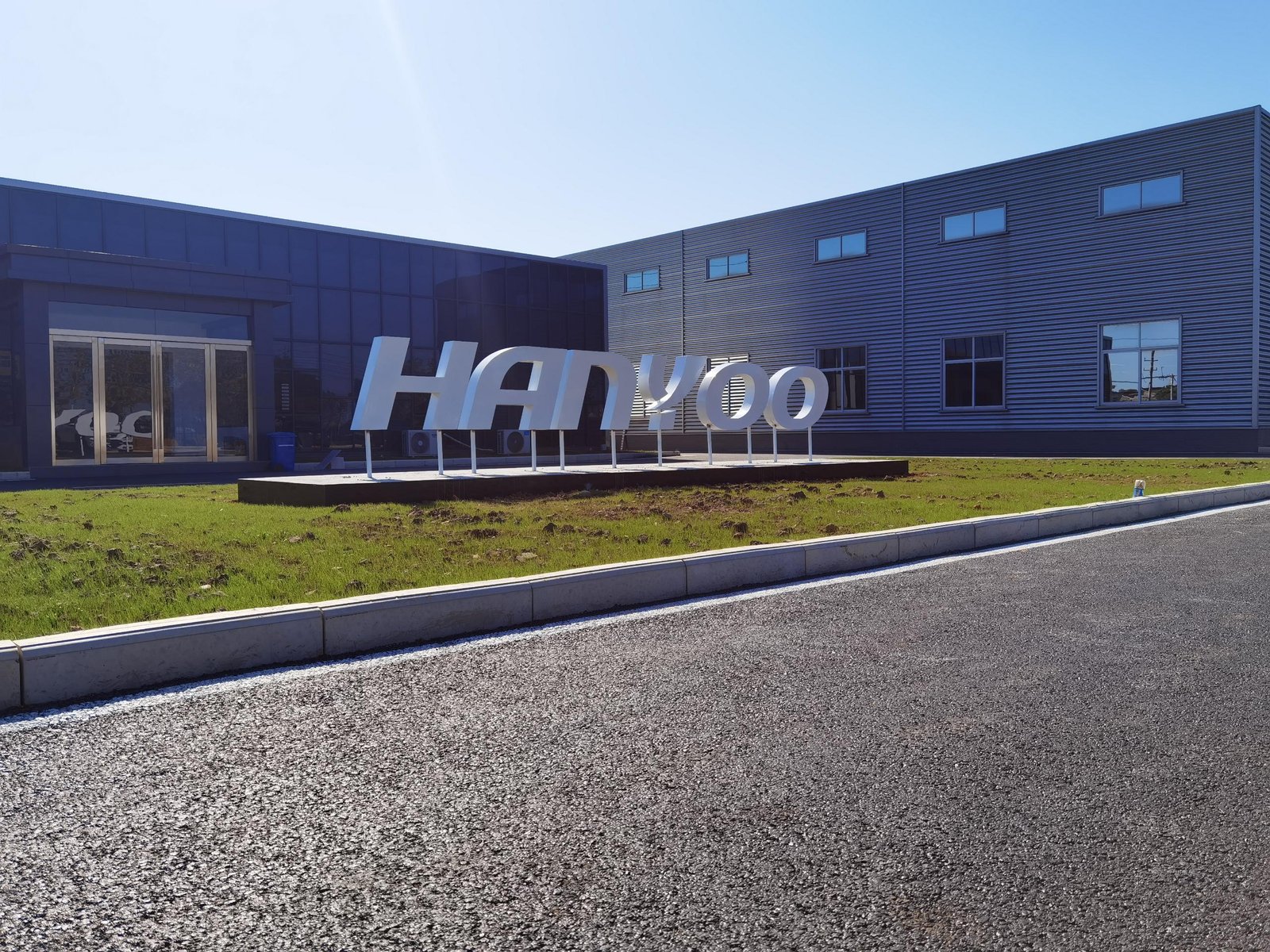
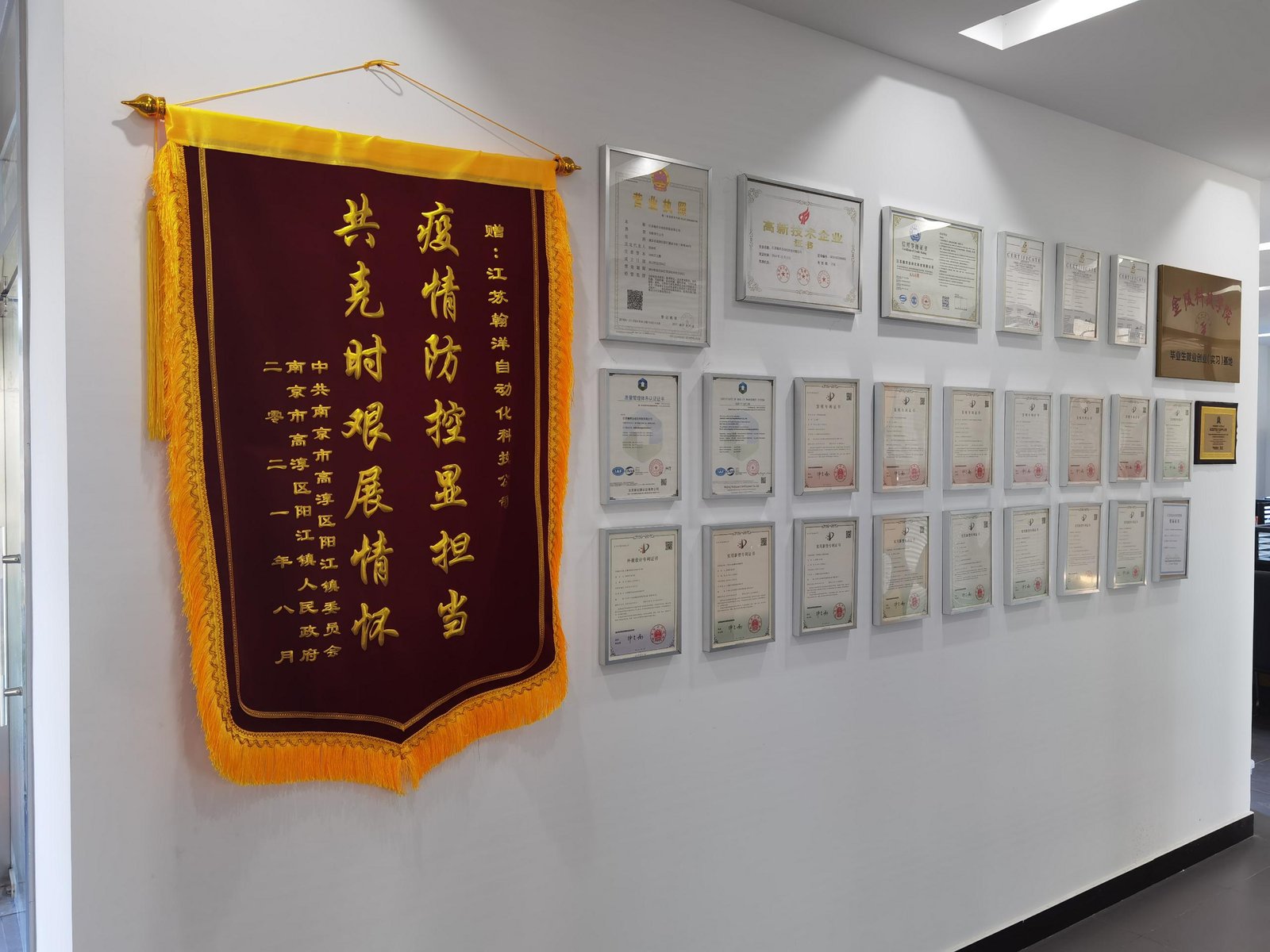
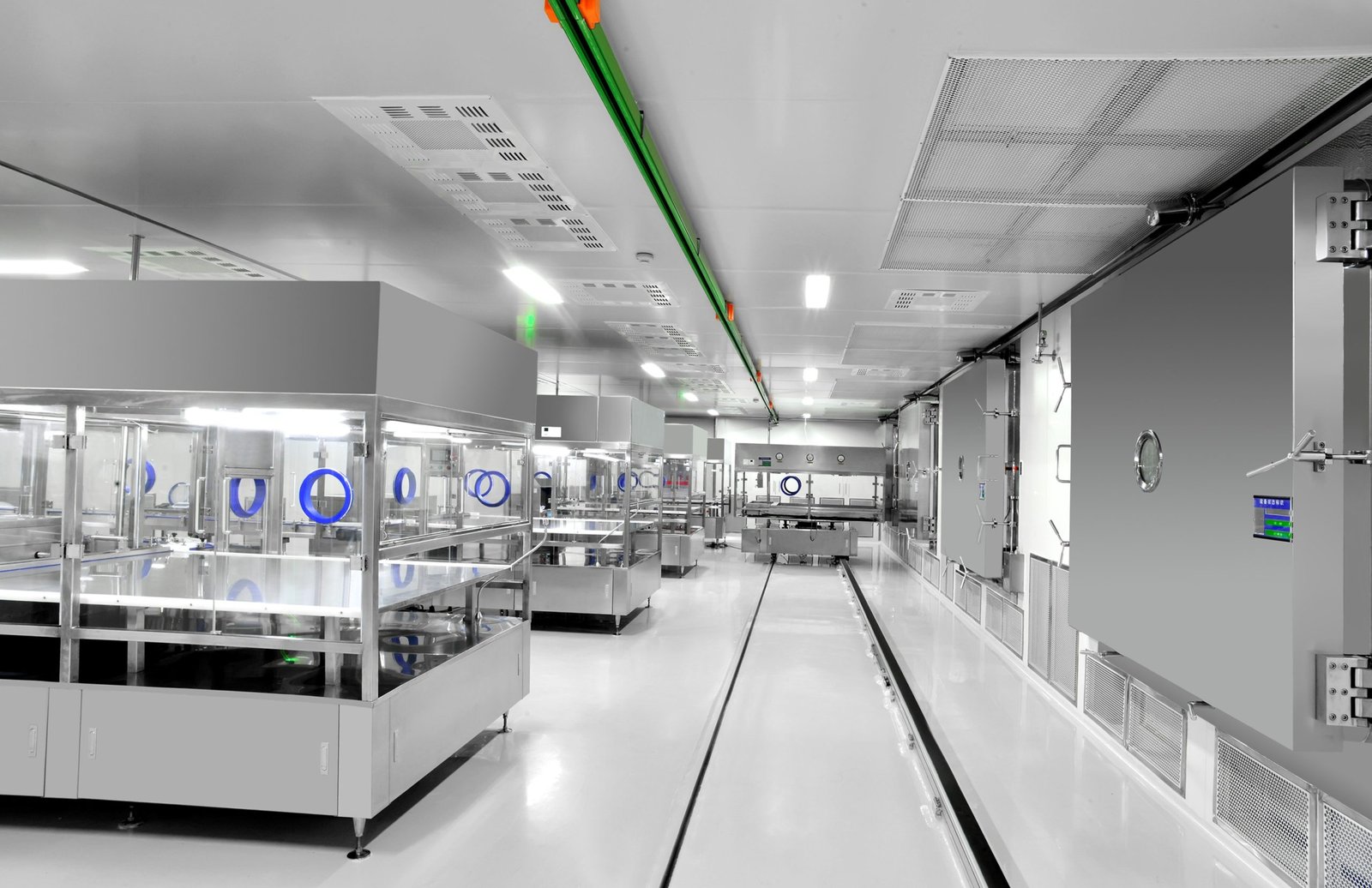
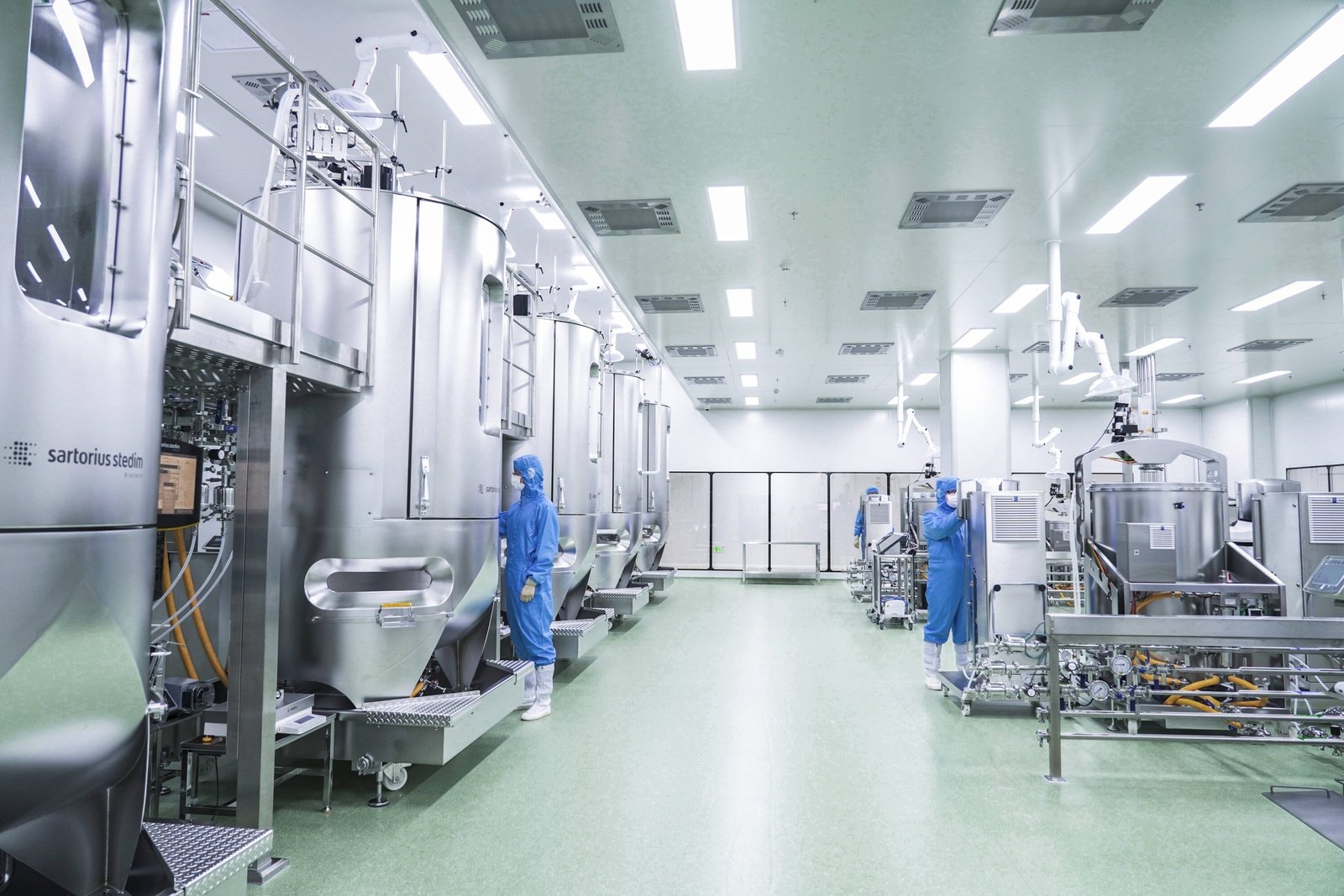
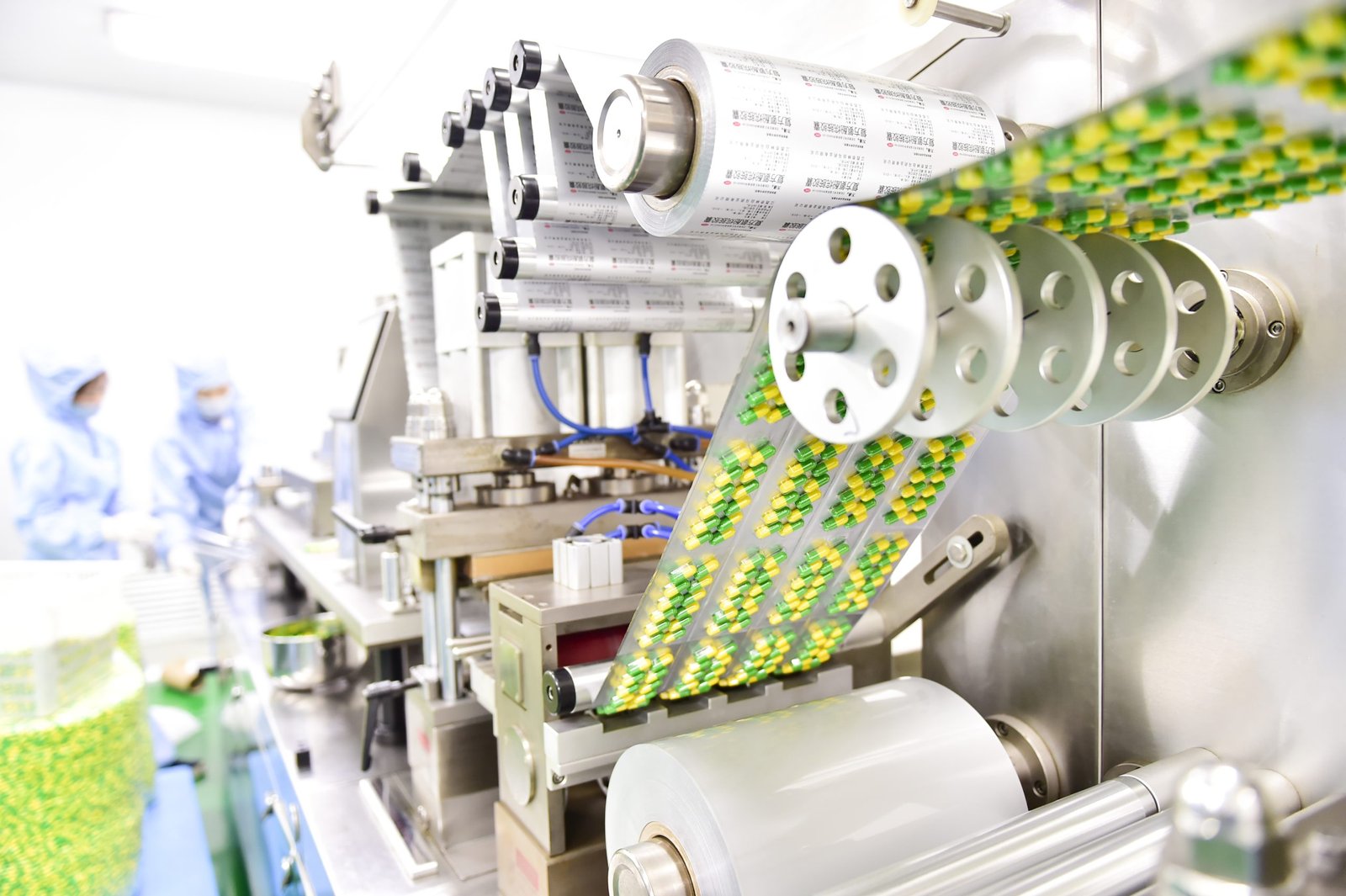
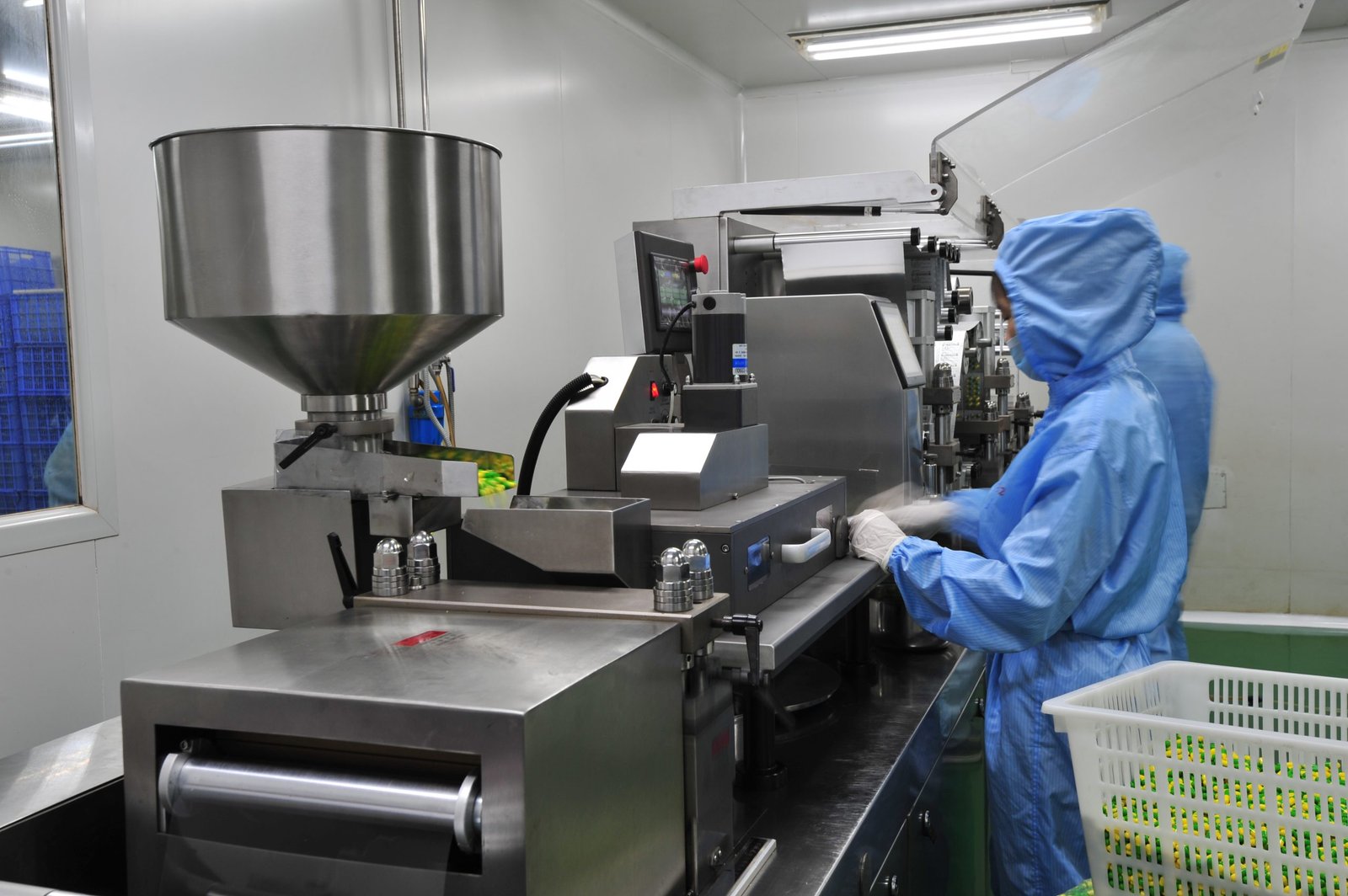
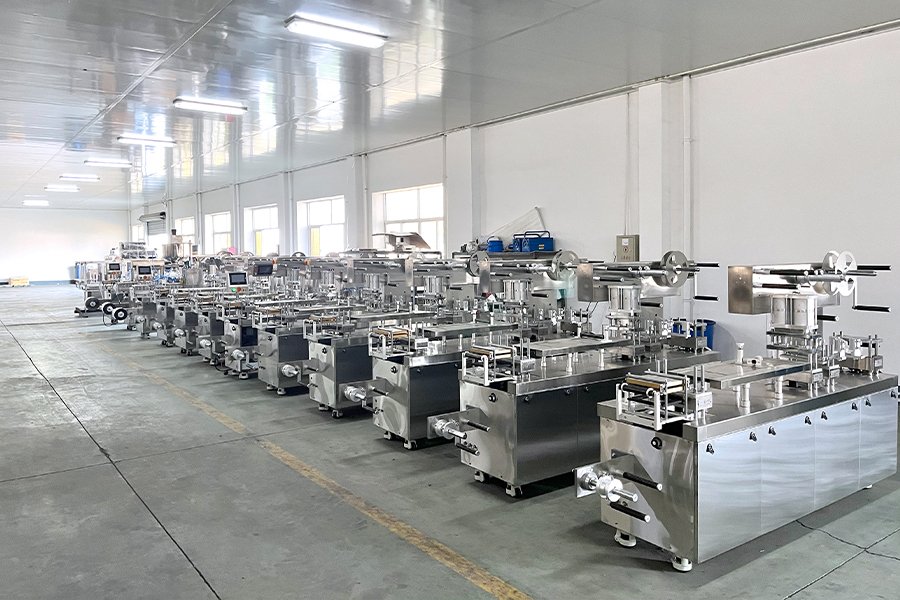
Welcome To Our Pharmaceutical Equipment Line Factory!
Why Choose Us
Specialized Factory
Economical Pricing Options
On-Time Delivery
Perfect Customer Service
Custom Solutions Available
Our technical experts are always ready to assist you in finding the perfect customized solution for your needs.