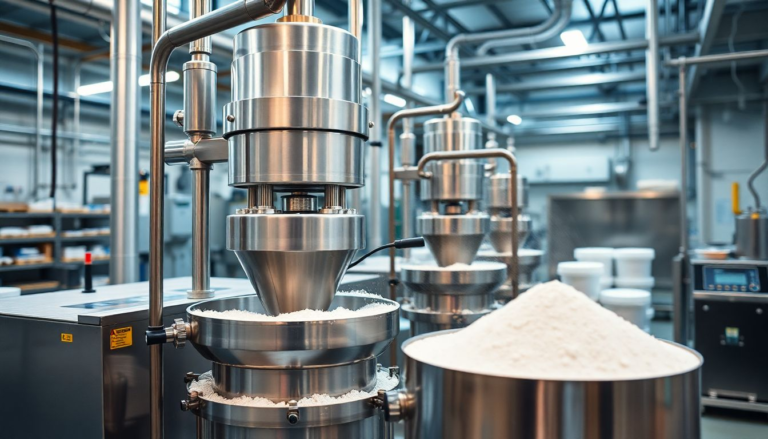

How to Choose a V Shape Mixer Manufacturer
The V Shape Mixer remains essential in pharmaceuticals, chemicals, and food processing, and is now central to supply chain shifts. The global V Shape Mixer market is expected to reach $520 million by 2026, with a CAGR of about 7.8%. Chinese suppliers hold over 80% of global share through strong manufacturing and fast delivery. Western brands are focusing more on high-margin, precision lab systems. This divide reflects cost pressure and higher entry barriers.[Source:https://www.grandviewresearch.com/industry-analysis/powder-mixing-equipment-market]
Buyer priorities have changed since the pandemic. Cleanability and low contamination risk matter more. The V Shape Mixer performs well because its symmetric V-shaped chamber uses gravity diffusion. Material moves, folds, and cuts repeatedly, helping blending uniformity stay above 99.5% for free-flowing dry powders. It often beats standard ribbon blenders. Chinese makers like Yinda Machinery and SIEHE lead the value-driven industrial segment, while European companies such as Lleal remain strong in precision lab equipment. For global buyers, this geographic split is key to better sourcing.
Demand for the V Shape Mixer is moving toward both precision and scale. The market covers 2 L lab machines to multi-ton industrial systems. Supplier clusters are clear. China’s Jiangsu and Zhejiang have become major production hubs, with annual exports above 100,000 units. This gives them major scale advantages. Western brands ship less, but their margins often stay 30% above the industry average. Large-scale manufacturing is clearly concentrating in Asia-Pacific, and that shift will be hard to reverse.
Global V Shape Mixer Supply Chain Trends, 2026-2030
The real strength of the V Shape Mixer is no longer only its mechanical design. Supply chain efficiency matters just as much. By 2026, Asia-Pacific is expected to absorb 65% of global demand, while Chinese exports could make up 90% of global circulation volume. This growth is not only about price. Chinese machines often have a built-in cost advantage of 30% to 50%, and lead times are often two to three weeks shorter than Western alternatives. Certification coverage for standards like FDA and CE has also improved sharply.
Technically, the market is nearing a smart-mixing turning point. By 2028, intelligent V Shape Mixers with integrated IIoT monitoring could reach 40% market penetration. These systems track rotation, temperature rise, and blending uniformity in real time. With PLC automation, mixing time can drop by about 25%. Chinese manufacturers like Zhanghua and SIEHE are advancing in drum balancing and control systems. European brands such as Spain’s Lleal still lead in dust-free design and ultra-high precision, but production limits make large-scale expansion harder.
This creates clear market tension. Developing regions want scale at low cost, where Chinese brands are highly competitive. Mature markets still need flexibility and deep customization, giving European specialists room to survive. Meanwhile, vaccine development and solid dosage growth are lifting pharmaceutical demand. Pharma’s share of the mixing equipment market is rising from 45% to 55%. Better surface treatment for 316L stainless steel has also improved corrosion resistance and extended service life by over 50%, lowering long-term TCO.
Real-world cases support this trend. Rust-resistant V mixers for humid regions like Latin America have already reduced oxidation through process upgrades. Looking ahead, several factors still favor Chinese suppliers: stable raw material prices, skilled labor, and improving cross-border logistics. Together, these advantages should keep increasing China’s share.
Precision Buying Guide: Matching Equipment to Buyer Size and Process Needs
Buyer Profiles and Practical Sourcing Strategy
In real purchasing, the right machine depends on production scale and compliance needs. That fit matters more than many buyers expect.
- Startups and R&D teams:
These buyers usually focus on budget and floor space. A 2 L to 50 L lab mixer is often the best starting point. Entry models like the VH-2 are affordable and easy to maintain. They can still deliver over 95% blending uniformity for early-stage testing, which is usually enough for small research runs. - Growing mid-sized manufacturers:
This group faces capacity growth and batch consistency pressure. Machines from 100 L to 500 L are usually the best fit. Buyers should check internal polishing, dead-zone control, and transmission stability. Leading Chinese suppliers often provide strong ROI in this range, helping companies recover investment faster. - Large pharmaceutical groups and OEM manufacturers:
For this segment, compliance and system integration matter more than price. FDA 21 CFR Part 11 readiness is critical. Buyers should choose suppliers with strong customization and full validation packages, including IQ/OQ/PQ documents. Upfront cost is higher, but lower rework rates can create much greater value. In some cases, defect-related reprocessing can fall by 35%.
Competitive Comparison of Leading Global Brands
Based on public market data, the following matrix offers a practical comparison of major suppliers.
| Brand / Series | Core Strengths | Potential Limits | Best-Fit Application | Estimated Price Range (USD) |
|---|---|---|---|---|
| Yinda Machinery V-Type | Excellent value, large-scale customization, strong for food and chemicals | Less suitable for ultra-precision lab work | Capacity expansion for small and mid-sized factories | 2,000 – 15,000 |
| SIEHE V Shape Mixer | Strong dead-zone-free design, powder uniformity reaches 99%, efficient rotation | More complex automation, needs skilled maintenance | Fine chemicals and specialty powder blending | 3,500 – 20,000 |
| Trustar TVM Series | Strong pharma focus, complete GMP framework, fast dry mixing | Capacity range mainly serves low to mid-level demand | Domestic pharma and export-oriented food processing | 4,000 – 18,000 |
| Lleal BL-8 | Made in Spain, excellent dust-free design, benchmark for precision labs | Limited capacity, not ideal for mass production | Multinational pharma R&D centers and university labs | 5,000 – 12,000 |
| Zhanghua OEM V-Mixer | Automation integration, strong compliance for pharma exports | Longer customization cycle, higher communication needs | Global OEM projects for large pharmaceutical companies | 10,000 – 30,000 |
Industry Takeaways and Buyer Action Plan
As the global V Shape Mixer market changes, buyers need to understand geographic pricing advantages. Smarter sourcing can create long-term value.
- Use location-based sourcing well:
Make full use of manufacturing clusters in Jiangsu and Zhejiang. When comparing suppliers on B2B platforms, check their real processing capability, especially laser cutting and automated polishing. - Validate in stages:
Start with a smaller lab model. Test actual blending uniformity with your formula, then move to larger equipment tenders with more confidence. - Run compliance screening early:
For export-facing products, prioritize suppliers with full GMP, FDA, or CE documentation. This helps avoid customs issues and market access risks later. - Watch the premium on smart systems:
Digital-ready models cost more upfront, but their long-term value is stronger, especially for data compliance and process optimization.
FAQ
Q: In the 2026 trade environment, how should buyers calculate the real cost of a V Shape Mixer?
A: Real cost goes beyond the FOB price. Chinese suppliers currently keep industrial models in the $2,000 to $15,000 range, often giving them a total price advantage of over 40% versus Western brands. Buyers should use a TCO approach instead, including freight time, customs efficiency, and local spare-parts access.
Q: How can buyers identify a V Shape Mixer manufacturer with strong OEM capability?
A: The answer is in the details. Strong manufacturers like SIEHE and Zhanghua usually show higher standards in rotating drum balance, PLC control stability, and internal mirror polishing Ra values. Buyers should also check for proven global delivery cases. If a supplier can provide pharma-grade IQ/OQ validation files, that is a strong sign. As smart manufacturing grows, choosing a partner that can integrate IIoT modules is a smart move for long-term supply chain resilience.
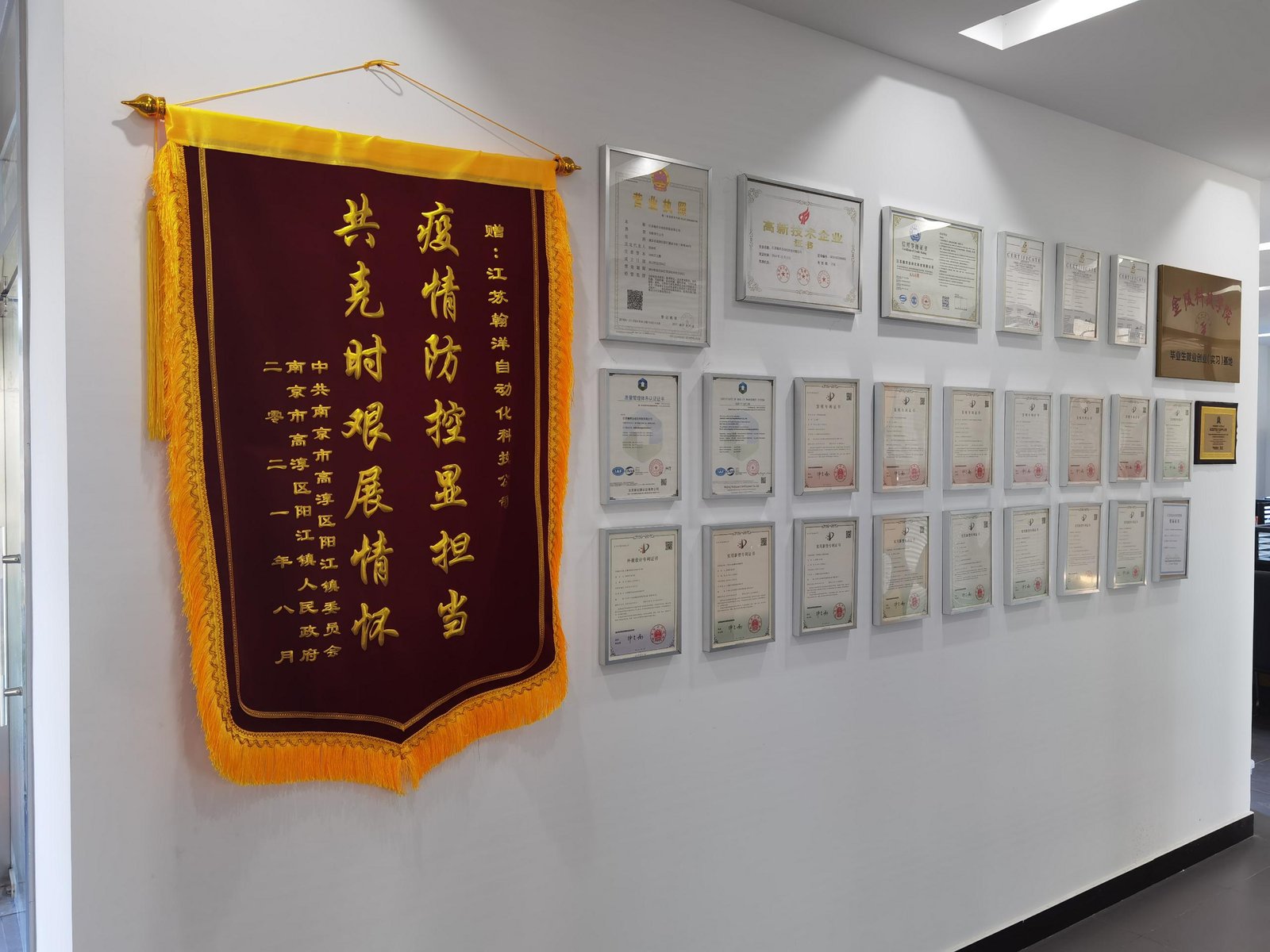
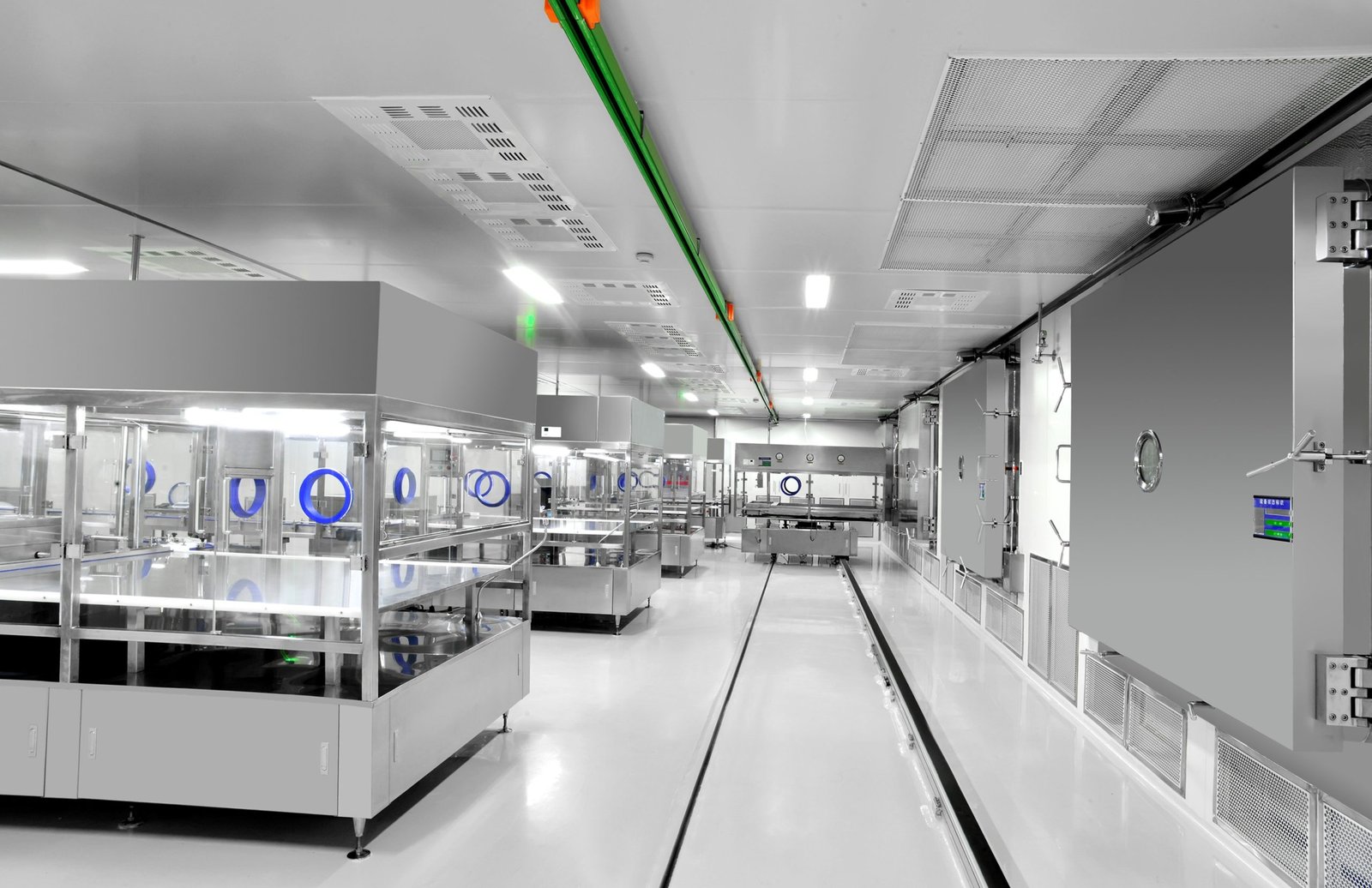
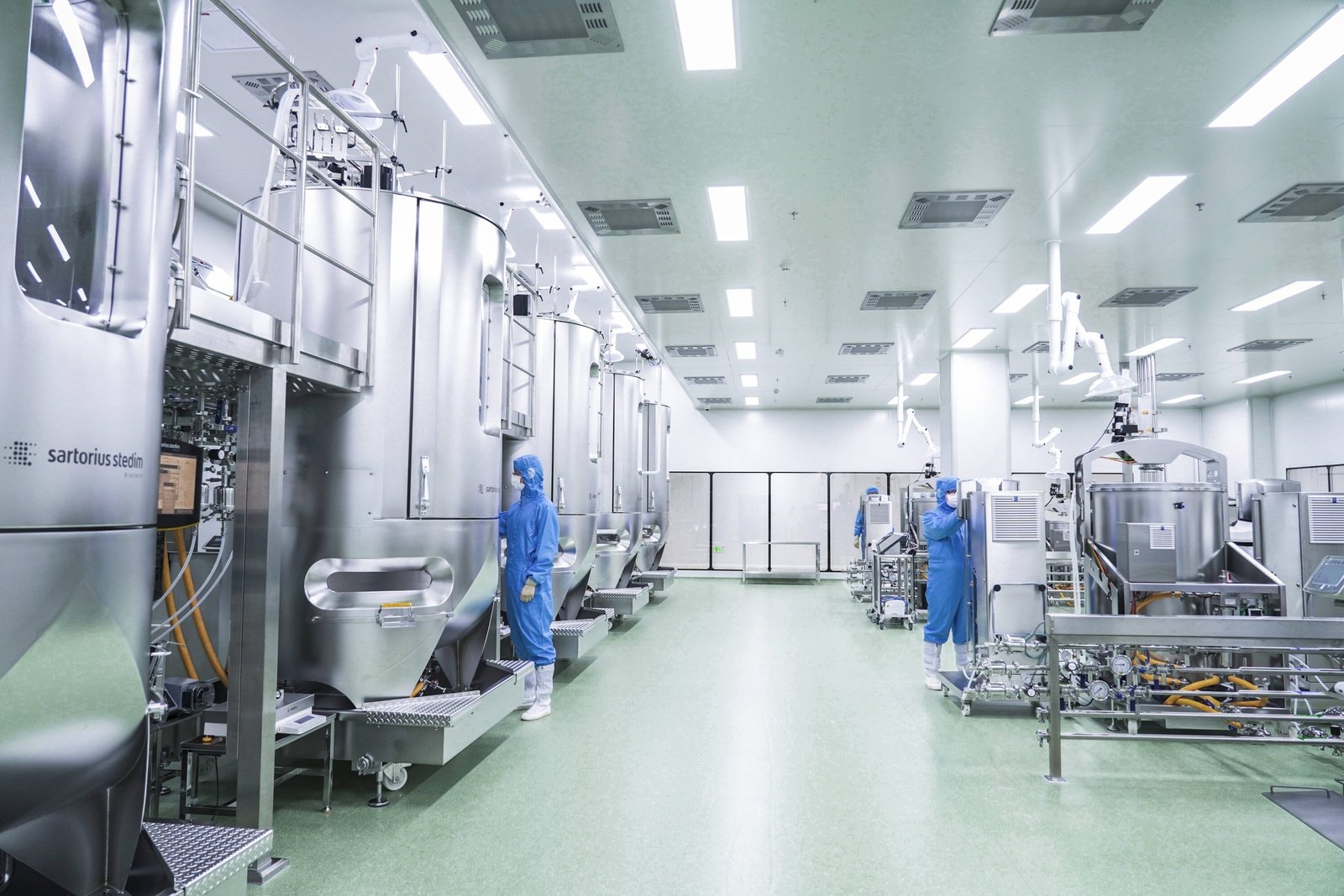
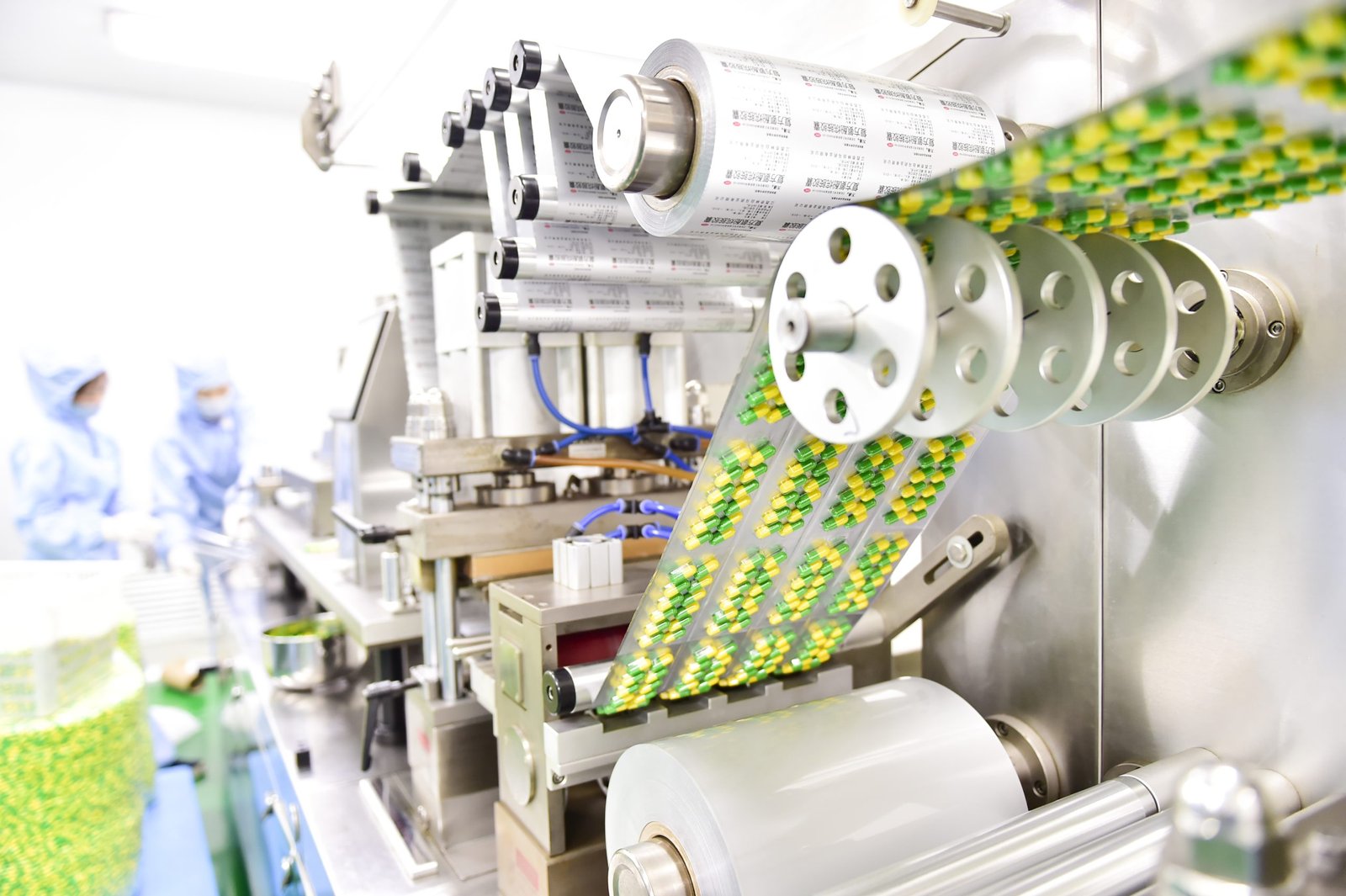
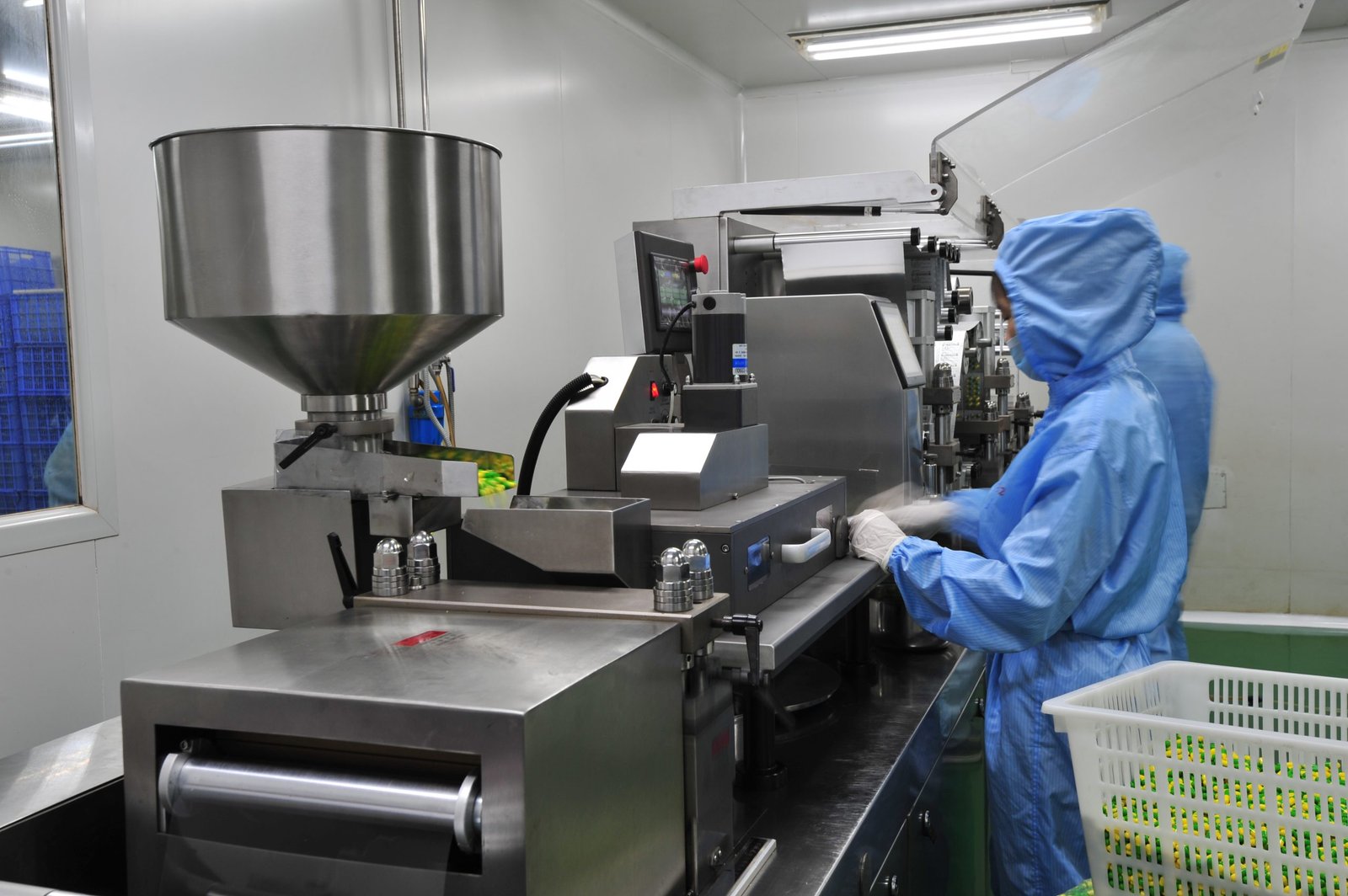
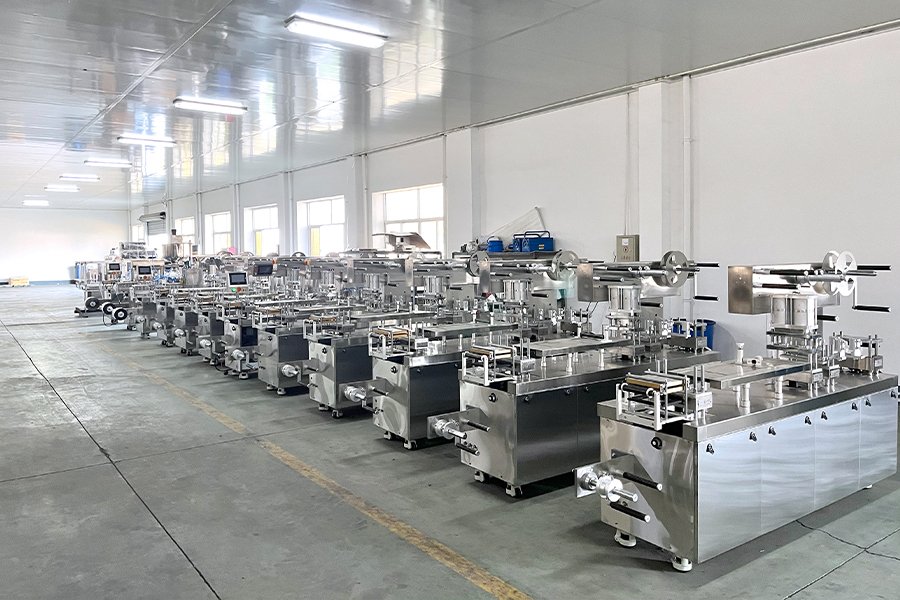
Welcome To Our Pharmaceutical Equipment Line Factory!
Why Choose Us
Specialized Factory
Economical Pricing Options
On-Time Delivery
Perfect Customer Service
Custom Solutions Available
Our technical experts are always ready to assist you in finding the perfect customized solution for your needs.