
Capsule Filling Machine Buyer’s Guide: How to Choose the Right Equipment
Choosing a capsule filling machine in 2026 tests a manufacturer’s flexible production capability and cost discipline. As global aging accelerates and biologics demand surges, the industry is shifting from semi-automatic toward high-precision fully automatic systems.
The global capsule filling machine market is projected to grow from $599 million in 2025 to $810 million by 2034, at a CAGR of 5.3%. Beneath that steady growth lies serious pressure — wrong-fit machines already account for over 40% of unplanned production downtime, a cost that compounds fast on continuous-output lines.
Fully automatic machines hold 58% market share on high-volume lines, while semi-automatic systems remain relevant for small-batch nutraceuticals and clinical production. European buyers have normalized the “pilot first, scale later” model — and global markets are following.
2026–2035 Tech Evolution: From Mechanical Drives to Servo Intelligence
Traditional mechanical linkages are rapidly giving way to servo-driven, PLC-integrated control systems. Digital control improves fill accuracy by 15–20%, reducing waste of costly active ingredients at the source.
1. Modular Design Is No Longer Optional
Platforms like the IMA ADAPTA series use modular architecture to enable fast switching between powder, granule, pellet, and liquid formats — directly solving the multi-product scheduling challenge for mid-sized pharma. Changeover cost becomes a competitive advantage, not a bottleneck.
2. Digital Integration and Predictive Maintenance
By 2035, Asia-Pacific will lead global equipment purchasing, driven by aggressive refresh cycles. Standard machines will include digital monitoring systems using real-time sensor data to predict wear before failure — delivering roughly a 30% reduction in unplanned downtime for vaccine and sterile drug lines.
Right-Sizing Your Equipment: A Segment-by-Segment Breakdown
1. Startups and Small Labs (< 100,000 capsules/day)
Semi-automatic machines — like the LTPM CHINA series — offer lower upfront cost and high operational flexibility. For clinical-stage or early nutraceutical production, over-speccing throughput only adds unnecessary complexity and cost.
2. Mid-Sized Growth Pharma Companies (10M–50M capsules/year)
The key challenge is scaling volume while maintaining GMP compliance. Fully automatic machines with integrated feeding, filling, locking, and rejection workflows reduce manual intervention by ~30%, while servo systems strengthen data integrity for audit readiness.
3. Large Multinationals and CMOs (> 500M capsules/year)
Machines exceeding 5,000 capsules/minute are the baseline. The real decision factors are clean MES integration and biologics compatibility. Everything else is secondary.
Global Supplier Comparison: Precision Leaders vs. Value Contenders
Two camps dominate — high-precision benchmarks and high-value alternatives. Here’s how they compare:
| Brand / Series | Core Competitive Strengths | Operational Challenges | Best-Fit Scenario | Est. Price Range (USD) |
|---|---|---|---|---|
| IMA ADAPTA | Best-in-class modular design, broad format compatibility | High upfront investment, complex system maintenance | Multinational pharma, ultra-high-volume lines | $150,000 – $300,000 |
| Bosch | Leading sterile systems, deep R&D heritage | Custom spare parts lead times can be long | Vaccines, innovative biologics | $200,000 – $500,000 |
| ACG Worldwide | Global after-sales network, strong high-speed fill performance | Response speed varies outside Asia-Pacific | Mid-size CMO contract manufacturing | $100,000 – $250,000 |
| MG2 S.r.l. | Highly precise dosing logic, convenient changeover | Larger footprint, higher space requirements | European mid-batch precision production | $120,000 – $280,000 |
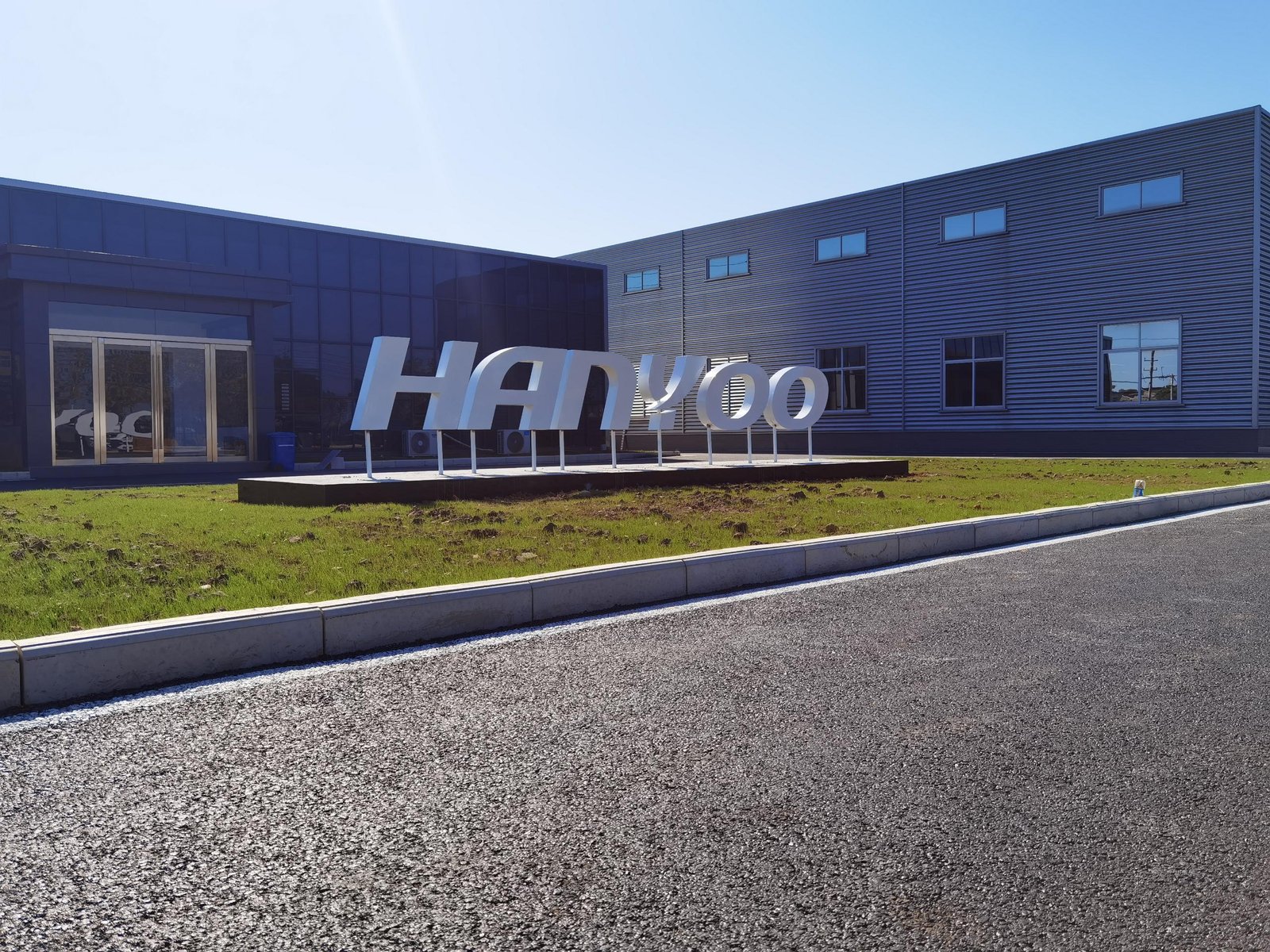
| Hanyoo (NJP Series) | Outstanding value-to-performance ratio, strong modular customization | International brand recognition still developing | Growth-stage factories, export-focused CMOs | $80,000 – $150,000 |
Redefining “Made in China” Through Agile Manufacturing
Hanyoo built its market position by solving operational pain points that premium European brands often overlook at the mid-market level — not by competing on price alone.
What Actually Sets It Apart
- Rapid-changeover flexibility: One-touch switching between piston and peristaltic pump configurations, with fill accuracy held at ±2%. Delivery lead times are significantly shorter than custom orders from premium brands.
- Intelligent control logic: Deep MES integration with PLC and servo-drive coordination delivers real-time fault alerts. Deployed systems show roughly a 35% reduction in unplanned downtime.
Two Case Studies Worth Knowing
- North America — Nutraceutical Manufacturer: A U.S. operation deployed the Hanyoo NJP-4000, cutting changeover time from 2 hours to 15 minutes and saving $200,000 annually in labor costs.
- India — CMO Transformation: An Indian contract manufacturer switched to Hanyoo’s sterile series, passed compliance audit, achieved ROI in 18 months, and cut maintenance downtime costs by 40%.
How to Optimize Your Equipment Investment in 2026
Three practical moves for this year’s procurement cycle:
- Tier your purchases. Start with Hanyoo mid-to-low-speed fully automatic machines for new lines — budget-friendly with room to scale.
- Lead with compliance. Verify OEM experience and GMP documentation first. No discount justifies regulatory exposure from unqualified vendors.
- Validate ROI, not brand names. Use the comparison table as a starting point. Focus on long-term OEE (Overall Equipment Effectiveness) — the number that actually shows up in your P&L.
FAQ
Q: What’s a realistic price range for a fully automatic capsule filling machine in 2026?
A: Mid-to-low-speed machines run $80,000–$150,000; high-speed machines with AI monitoring typically exceed $300,000. Hanyoo benchmarks competitively against European equivalents while saving buyers roughly 30% on acquisition cost.
Q: How important is OEM capability when evaluating a supplier?
A: Critical. Suppliers with deep OEM customization — like Hanyoo — adapt mechanical structures to specific process needs. A supplier with 50+ international pharma partnerships brings battle-tested process knowledge, not just hardware.
Q: How should buyers assess compliance credibility from Chinese manufacturers?
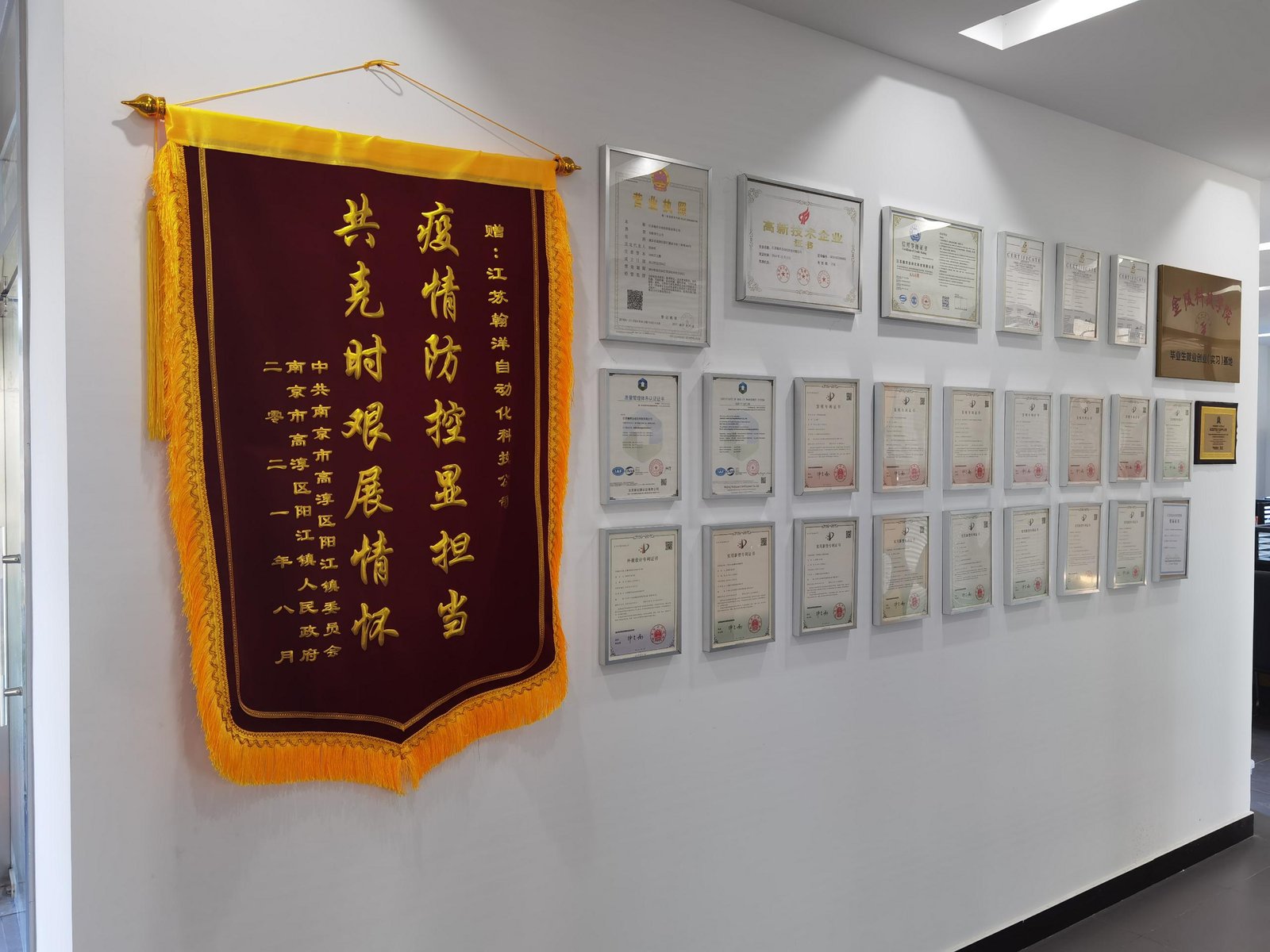
A: Require CE certification, ISO 9001, and FDA registration records as a baseline. Leading Chinese manufacturers have largely closed the hardware gap with global standards, and many now differentiate through digital integration, remote diagnostics, and responsive after-sales support — making them a genuine resilience layer in today’s global pharma supply chain.