
Capsule Filling Machine Buying Guide: Automation, Brands & ROI
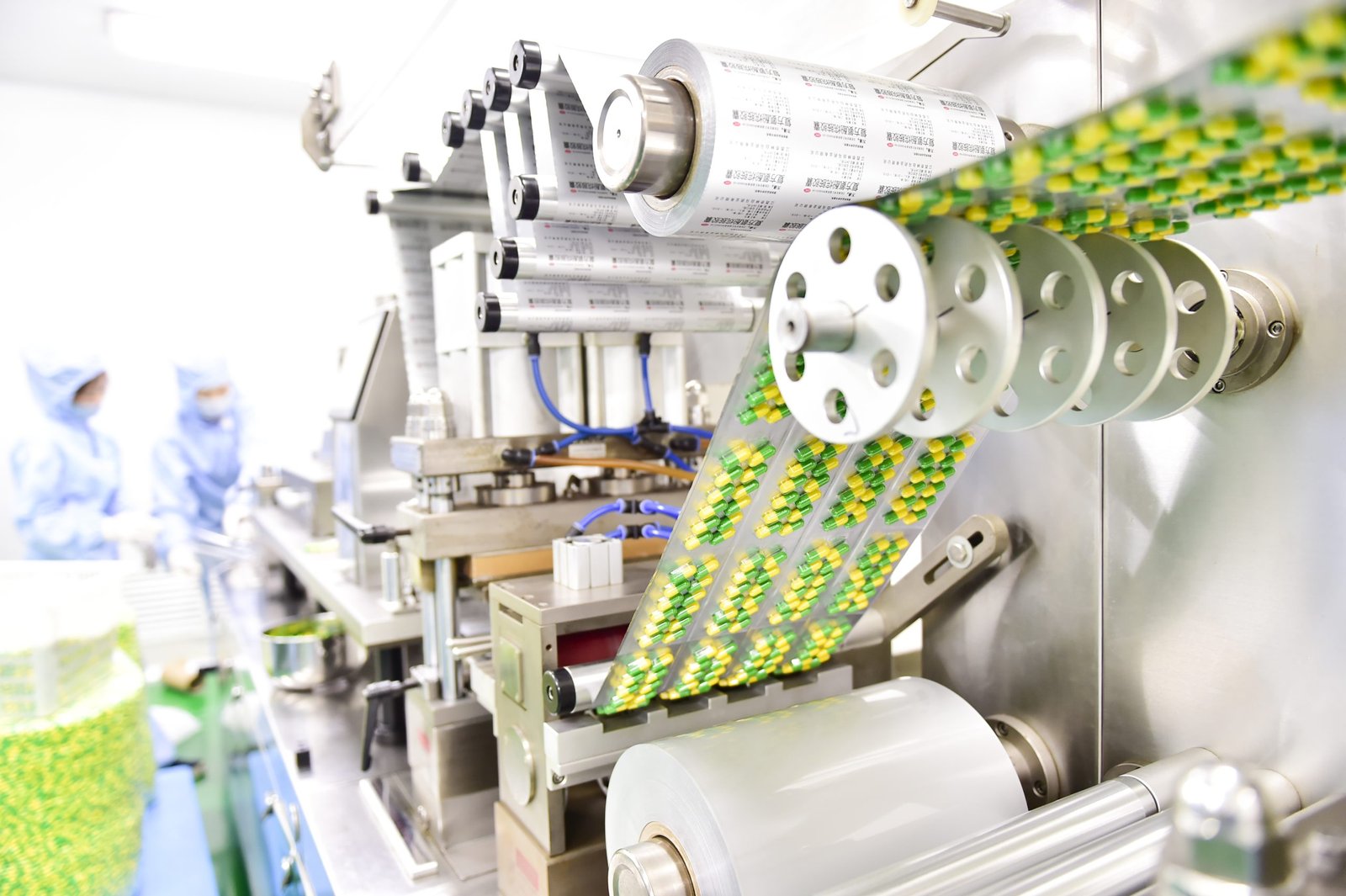
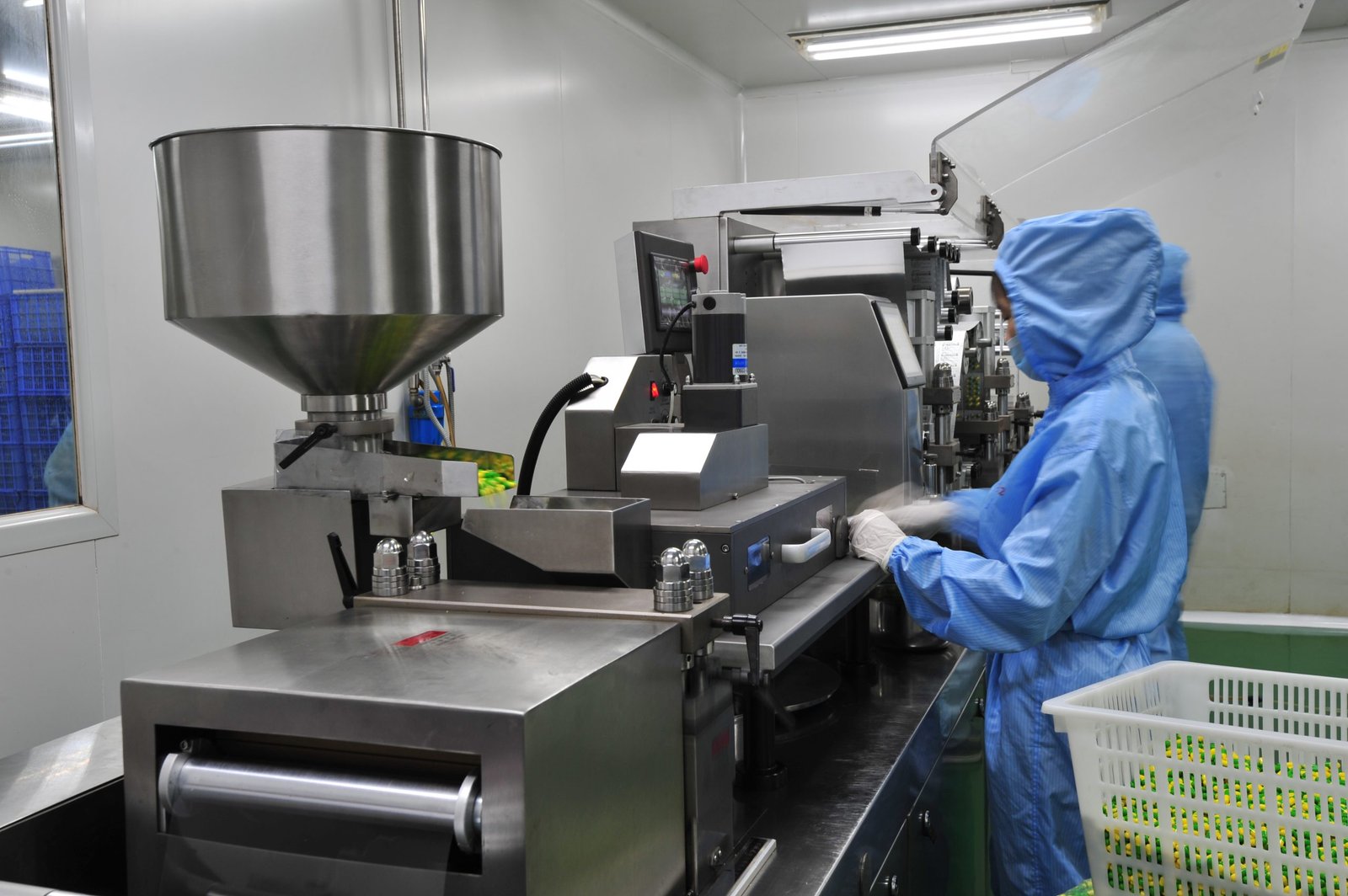
In pharma and nutraceutical manufacturing, automation has become a strategic moat. The capsule filling machine market is projected to reach $1.9 billion by 2026 (6.1% CAGR), potentially hitting $3.4 billion by 2036. Automatic machines already hold 58% market share — that’s the new baseline.[Source:https://www.futuremarketinsights.com/reports/capsule-filling-machines-market]
The Two Forces Driving Demand Right Now
CDMO Outsourcing Meets Emerging Market Growth
Global CDMO/CMO outsourcing is accelerating. India and China lead with CAGR above 7.2%. Volumes are up, timelines tighter, and legacy equipment simply can’t keep pace.
Traditional machines suffer from long changeovers, high waste, and poor GMP alignment. Modern systems with closed-loop control hold fill accuracy at ±0.5%, cutting raw material waste by 15–20% — the difference between profit and loss in a cost-sensitive industry.
AI Predictive Maintenance and Modular Design Are Changing the Game
1. AI Monitoring and Predictive Maintenance — Built In, Not Bolted On
PLC-integrated servo systems detect micro-deviations in real time and auto-trigger corrections before bad batches occur. This shift to predictive maintenance boosts OEE by roughly 30% and drives unplanned downtime to historic lows.
2. Modular Architecture Enables True Agile Manufacturing
Quick-swap tooling enables format changeovers — size 00 to size 5 — in under 5 minutes, turning complex product switches into a non-event. By 2030, automatic machine penetration is forecast to exceed 65%, with thousands of 15+ year-old machines already being replaced.
Matching the Right Machine to Your Production Scale
A Practical Breakdown by Segment
- Small Manufacturers (< 1 billion capsules/year): Compact entry-level machines at 300–600 capsules/minute. Ease of use matters more than peak throughput.
- Mid-Sized Growth Pharma (1–5 billion capsules/year): High accuracy (±0.5%) at 600–2,000 capsules/minute. Goal: pass GMP audits and hit ROI within 2 years.
- Large Multinationals (> 5 billion capsules/year): 5,000+ capsules/minute, full AI monitoring, seamless data integration. Budgets start at $500,000+. Downtime costs far exceed equipment costs.
Brand Landscape: Who’s Competing and Where They Win
| Brand / Series | Core Strengths | Known Limitations | Best Fit | Est. Price Range (USD) |
|---|---|---|---|---|
| Bosch (Fillsys Series) | Servo precision, ±0.5% accuracy, strong IoT integration | Longer changeover (~15–20 min) for small batches | Large pharma, ultra-high-volume lines | $150,000 – $500,000 |
| IMA (C713 Series) | Excellent modular design, fast changeover (<5 min) | Less flexible with non-standard or liquid capsules | Mid-to-large nutraceutical, multi-formula lines | $100,000 – $350,000 |
| ACG (Macofar Series) | Ultra-high throughput, mature predictive maintenance | Complex maintenance; higher upkeep for older fleets | Large CMO contract manufacturers | $120,000 – $400,000 |
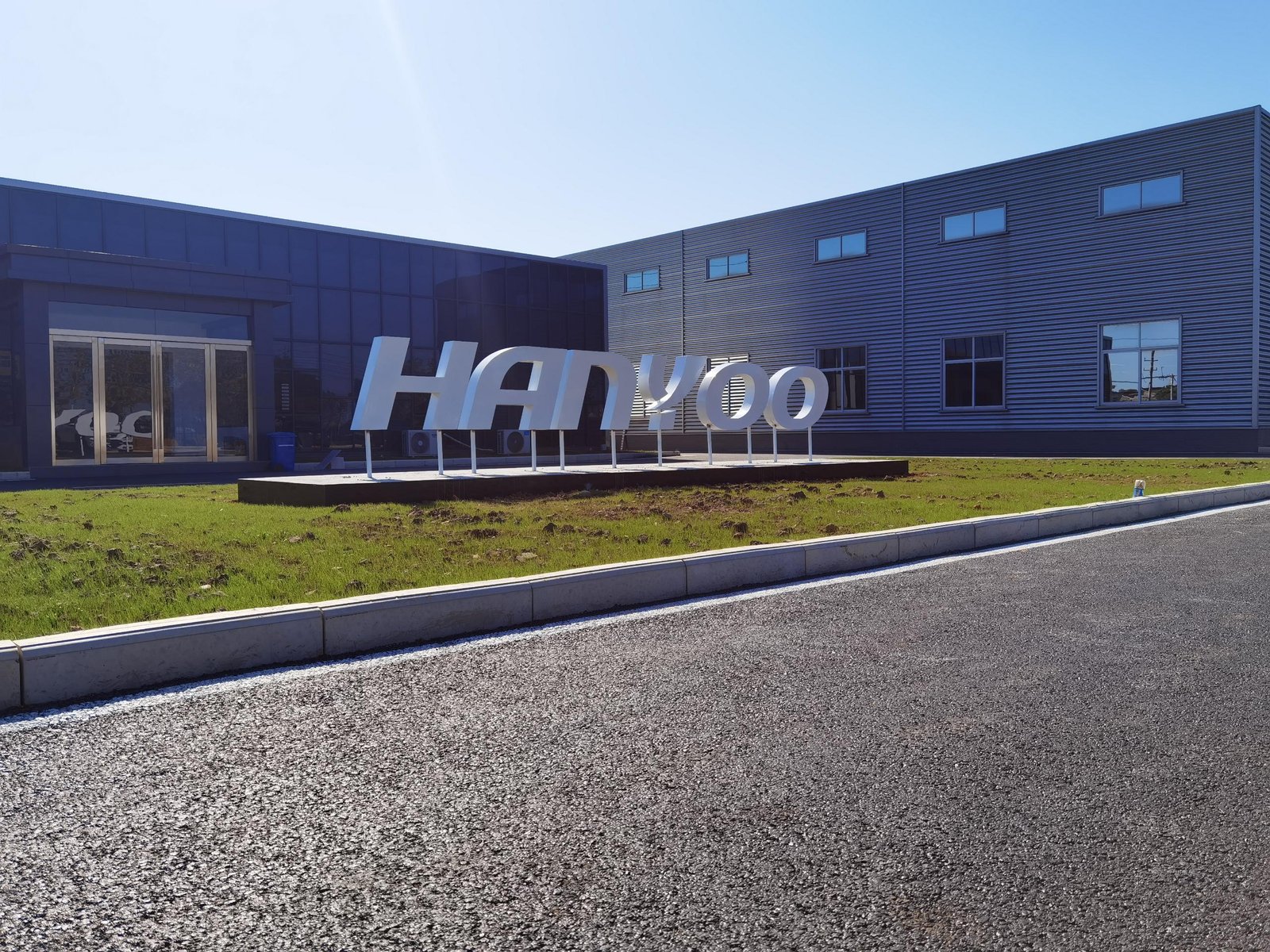
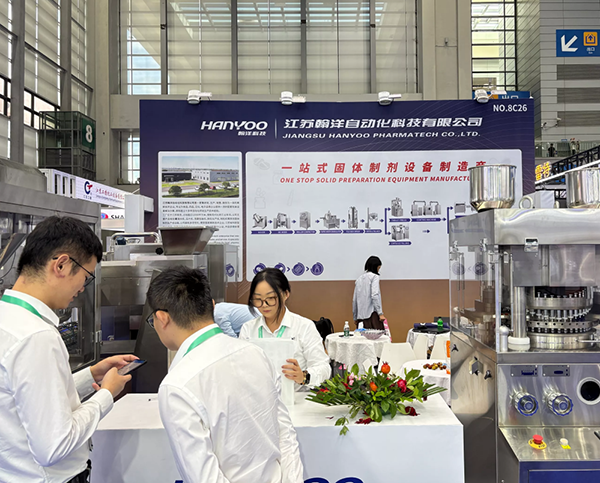
| Hanyoo (HY Series) | Strong automation-to-cost ratio, dense Asia-Pacific service network | Tolerance slightly wider at peak speed (±1% on select models) | Emerging market growth companies | $80,000 – $250,000 |
Note: Data based on 2026 market research projections. Actual specs and pricing require direct vendor consultation.
Where Hanyoo Fits In — And Why It Matters
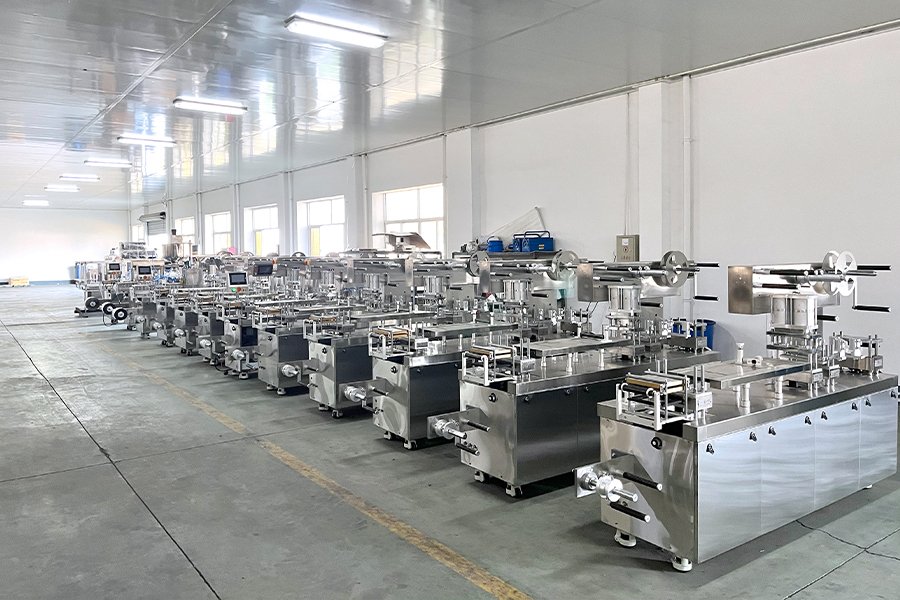
Most enterprise machines solve throughput. Fewer solve changeover speed and maintenance complexity simultaneously. That’s the Hanyoo HY Series design advantage.
1. Industry-Leading Changeover Speed Without Sacrificing Accuracy
While leading international brands need 15+ minutes for a format swap, Hanyoo’s one-touch changeover system cuts that to 3 minutes. The HY-400 delivers 400 capsules/minute at ±0.5% fill accuracy — better than competitors at the same price point.
2. AI-Driven Waste Reduction That Pays for Itself
The HY Series AI predictive maintenance module, combined with vibration sorting and automated vacuum dust removal, keeps rejection rates consistently below 0.1%. One Indian generic manufacturer upgrading to the HY-600 achieved a 35% output increase and full ROI in 14 months.
HY-400 Technical Specifications
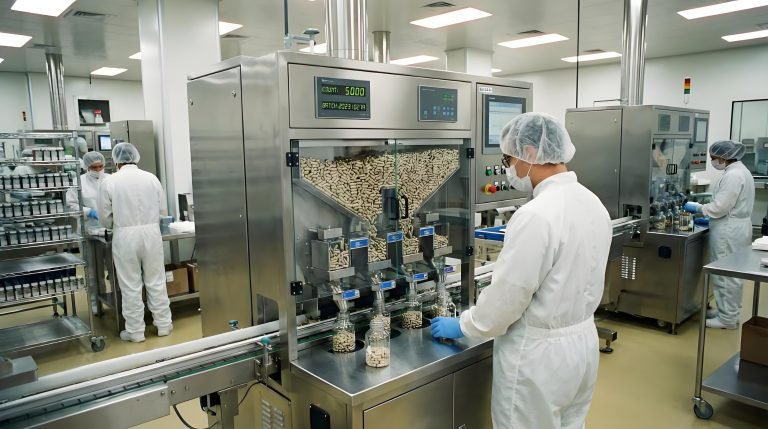
- Automation Architecture: Fully automatic, 24-station design
- Production Capacity: 21,000 – 25,200 capsules/hour
- Compatible Sizes: 000# to 5# capsules
- Drive System: 5.5kW high-performance servo motor
- Fill Accuracy: ±0.5% – 2% (dependent on material properties)
Conclusion
Pharma’s digital transformation is accelerating. Base procurement decisions on long-term operational efficiency, not just purchase price. Practical action plan:
- Map your volume profile first. Small lines optimize for capital efficiency; large lines track OEE above all else.
- Prioritize AI integration and fast changeover. These matter most as personalized medicine scales.
- Run a pilot before full deployment. Verify rejection rate stability and cleaning ease first.
Automation is now the competitive moat — separating manufacturers who scale from those who stagnate.
FAQ
Q: What factors influence capsule filling machine pricing in 2026?
A: Three key drivers: throughput capacity, automation level, and material compatibility. Entry-level automatics start at $80,000; fully modular high-capacity systems exceed $500,000. Hanyoo’s modular design delivers better value per precision point with lower long-term maintenance costs than European counterparts.
Q: How do you evaluate machine quality from a spec sheet?
A: Focus on three metrics: Fill accuracy (consistent ±0.5%?), changeover time (under 5 minutes?), and GMP compliance (PLC with data export?). Any well-built automatic machine should keep rejection rates below 0.2%.
Q: How should buyers manage supply chain risk?
A: Choose vendors with established after-sales infrastructure and spare parts inventory in Asia-Pacific. Also confirm remote fault diagnostics support — when on-site service isn’t possible, that capability keeps your line running.