
Pharmaceutical Granulator ROI: Is the Investment Worth It? (2026 Analysis)
A pharmaceutical granulator costs between $12,000 and $250,000 depending on type and capacity. The question is not whether you can afford it — it is whether your production economics justify owning it versus outsourcing granulation to a contract manufacturer. This guide provides the actual cost-benefit analysis, with a practical ROI calculator and the specific conditions under which in-house granulation pays back faster than most equipment buyers expect.
Key Takeaways
- High-shear granulators for mid-scale production cost $25,000–$80,000 from Chinese GMP manufacturers (CE certified)
- Fluid bed granulators combining granulation and drying cost $45,000–$150,000
- The break-even point versus outsourcing granulation is typically 8–18 months for facilities producing more than 50 batches/year
- Wet granulation has higher equipment cost but lower API waste — making it more economic than dry granulation for high-value APIs (above $500/kg)
- Chinese granulators cost 50–65% less than German or Swiss equivalents (GEA, Bohle, Diosna) with equivalent ISO9001 and CE certification
The Core Investment Question
Should you buy a granulator or outsource granulation to a CMO (Contract Manufacturing Organization)?
The answer depends on three variables:
- Batch frequency: How many batches per year require granulation?
- API value: What is the cost of API per kilogram?
- Product portfolio stability: How long will this product line generate revenue?
If your answers are “more than 40 batches/year,” “above $200/kg,” and “more than 3 years,” in-house granulation almost certainly generates better economics than outsourcing.
Granulator Price Reference (2026)
High-Shear Granulators (Wet Granulation)
| Capacity (L) | Application | Price Range (China, CE Certified) | European Equivalent |
|---|---|---|---|
| 10–25 L | R&D / pilot scale | $12,000–$22,000 | $40,000–$80,000 |
| 50–100 L | Small-scale production | $20,000–$40,000 | $60,000–$120,000 |
| 150–300 L | Mid-scale GMP production | $35,000–$75,000 | $100,000–$200,000 |
| 400–600 L | Large-scale production | $60,000–$120,000 | $160,000–$300,000 |
Fluid Bed Granulators (Granulation + Drying Combined)
| Capacity (kg) | Application | Price Range (China) | European Equivalent |
|---|---|---|---|
| 5–20 kg | R&D | $25,000–$45,000 | $80,000–$150,000 |
| 30–60 kg | Pilot / small-scale | $40,000–$80,000 | $120,000–$220,000 |
| 100–200 kg | Mid-scale production | $70,000–$130,000 | $200,000–$400,000 |
| 300–500 kg | Large-scale | $100,000–$200,000 | $300,000–$600,000 |
Roller Compactors (Dry Granulation)
| Capacity (kg/hour) | Application | Price Range (China) | European Equivalent |
|---|---|---|---|
| 10–30 kg/h | Pilot scale | $30,000–$55,000 | $90,000–$180,000 |
| 50–150 kg/h | Production scale | $55,000–$100,000 | $160,000–$280,000 |
| 200–500 kg/h | High-volume | $90,000–$160,000 | $250,000–$500,000 |
ROI Calculator: In-House vs. Outsourcing Granulation
The outsourcing cost model:
CMO granulation charges typically range from:
- Simple wet granulation (commodity excipients): $800–$1,500 per batch
- Complex wet granulation (potent APIs, contained processing): $2,000–$5,000 per batch
- Dry granulation (roller compaction): $1,200–$2,500 per batch
Break-even calculation:
Break-even batches = Total equipment investment ÷ (CMO cost per batch − In-house variable cost per batch)
Example calculation — mid-scale facility, 200 L high-shear granulator:
| Item | Value |
|---|---|
| Equipment purchase (200 L high-shear, China) | $55,000 |
| Installation and commissioning | $5,000 |
| Validation (IQ/OQ/PQ) | $10,000 |
| Total investment | $70,000 |
| CMO granulation cost per batch | $1,800 |
| In-house variable cost per batch (utilities, consumables, labor) | $300 |
| Net saving per batch | $1,500 |
| Break-even batches | 47 batches |
| Break-even period (at 4 batches/month) | 11.7 months |
At 4 batches per month, the granulator pays for itself in under one year. After break-even, every batch generates $1,500 in net saving — approximately $18,000/year ongoing margin improvement.
When High-Shear vs. Fluid Bed Granulation Is More Economic
Fluid bed granulators cost 50–80% more than equivalent high-shear granulators because they combine granulation and drying in one vessel, eliminating the need for a separate tray dryer or fluid bed dryer.
Economic comparison for a 100 kg/batch facility:
| Scenario | High-Shear + Tray Dryer | Fluid Bed Granulator |
|---|---|---|
| Equipment cost (China) | $45,000 + $15,000 = $60,000 | $80,000 |
| Process time per batch | 6–8 hours | 2–3 hours |
| Energy cost per batch | Lower (separate dryer off during granulation) | Higher (continuous airflow) |
| Footprint | Larger (two machines) | Smaller (one machine) |
| GMP cleaning time | Longer (two machines to clean) | Shorter |
| Best for | Budget-conscious, time-flexible operations | Cleanroom space-constrained, high-throughput |
For facilities running more than 3 batches per day, the fluid bed’s time advantage (3-hour vs. 7-hour batch cycle) generates output equal to more than double the batch throughput — which can justify the $20,000 cost premium within 6 months.
When Is a Granulator NOT the Right Investment?
In-house granulation is not economically justified when:
- Batch frequency is below 20/year — at this volume, CMO outsourcing is almost always cheaper when equipment depreciation, maintenance, and validation amortization are included
- Product pipeline is uncertain — capital lock-in for a single-product granulator that may be discontinued in 18 months is a classic pharma startup mistake
- API is low-value (below $50/kg) — the saving from reduced API loss in granulation does not justify ownership costs for commodity products
- Cleanroom space is insufficient — granulators require ISO 8 cleanroom space; if your facility cannot accommodate the equipment footprint, the cleanroom upgrade cost dwarfs the equipment savings
Frequently Asked Questions
How much does a pharmaceutical granulator cost in 2026?
Pharmaceutical granulator prices in 2026 range from $12,000 for a small 10–25 L R&D high-shear granulator to $250,000+ for large-scale fluid bed granulator-dryer systems. Mid-scale GMP production granulators (150–300 L high-shear) cost $35,000–$75,000 from Chinese manufacturers with CE certification — 50–65% less than German or Swiss equivalents from GEA, Bohle, or Diosna at equivalent specification.
What is the payback period for a pharmaceutical granulator?
The payback period depends on batch frequency and the CMO outsourcing alternative. For facilities running 40+ batches per year, payback is typically 8–18 months for a mid-scale high-shear granulator. The break-even calculation: total investment divided by net saving per batch versus outsourcing. At $1,500 net saving per batch and 4 batches per month, a $70,000 total investment (equipment + installation + validation) breaks even in approximately 12 months.
Is wet or dry granulation more cost-effective?
Wet granulation has higher equipment costs ($35,000–$80,000 for a high-shear granulator plus dryer) versus dry granulation roller compactors ($55,000–$100,000 standalone), but wet granulation generates lower API losses during processing — making it more economical for APIs priced above $300–$500/kg. Dry granulation is the better economic choice for moisture-sensitive, lower-value APIs where eliminating liquid binder adds more value than the equipment cost difference.
Can I purchase a used pharmaceutical granulator to reduce investment?
Used pharmaceutical granulators are available through equipment brokers (IronPlanet, Bidspotter, Perry Process Equipment) at 30–60% below new prices. However, used equipment requires: (i) complete re-validation (IQ/OQ/PQ from scratch), (ii) mechanical inspection and refurbishment, and (iii) GMP documentation reconstruction. The hidden costs of re-qualification often exceed $15,000–$30,000, substantially reducing the apparent saving. New equipment from Chinese manufacturers at 50–65% below European prices is often more economical and lower-risk than used European equipment.
Conclusion
Pharmaceutical granulator investment delivers strong ROI for facilities with batch frequencies above 40/year and product lifecycles above 3 years. The 8–18 month payback period versus CMO outsourcing is achievable across a wide range of production scales. Chinese GMP granulators at 50–65% below European pricing amplify this ROI further — a $70,000 total investment in a Chinese mid-scale granulator delivers the same returns as a $130,000–$180,000 European system.
Hanyoo’s pharmaceutical granulation equipment is in active GMP production across Southeast Asia, the Middle East, and Africa. Our engineering team provides free ROI analysis for specific production scenarios before purchase commitment.
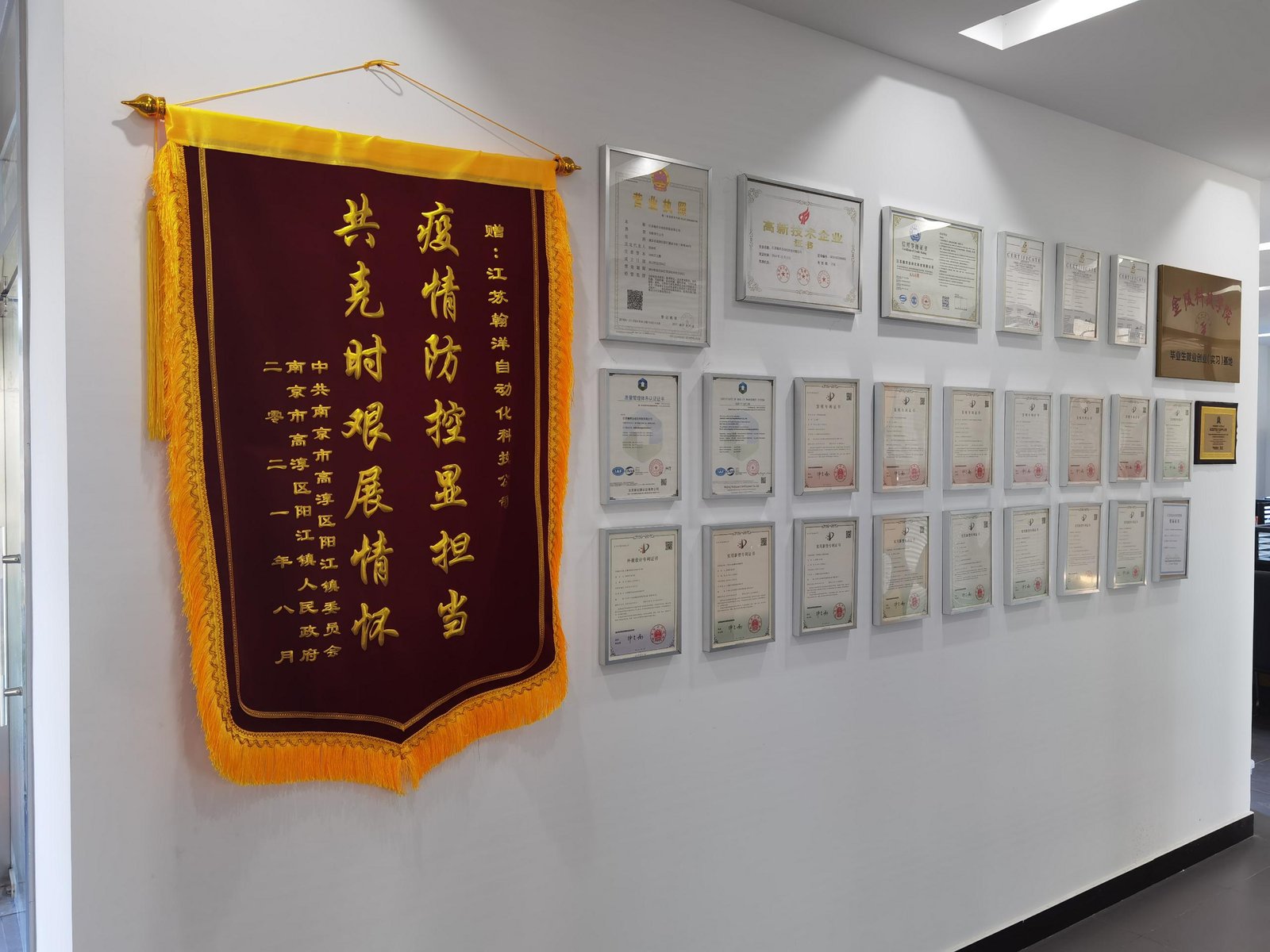
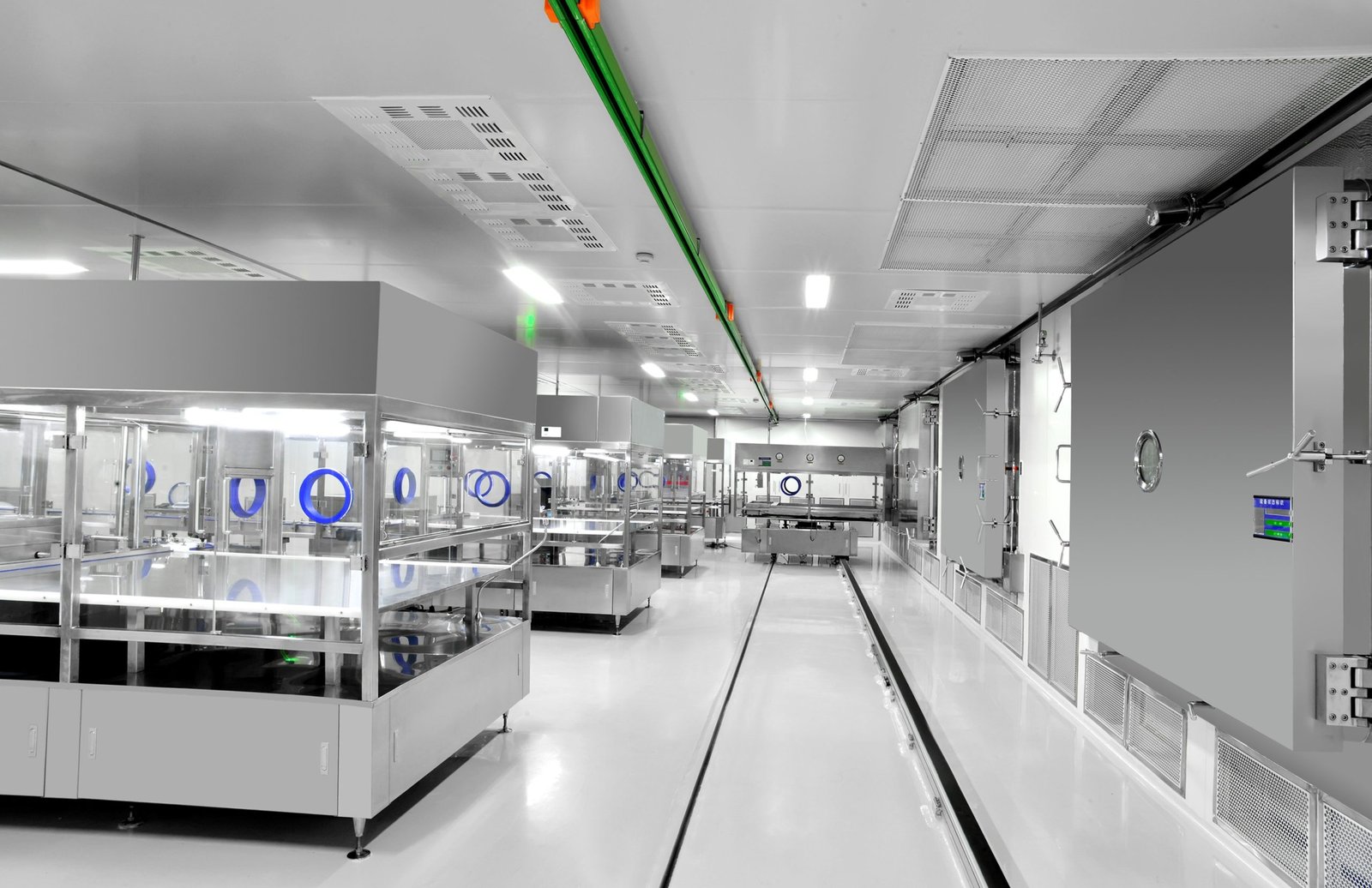
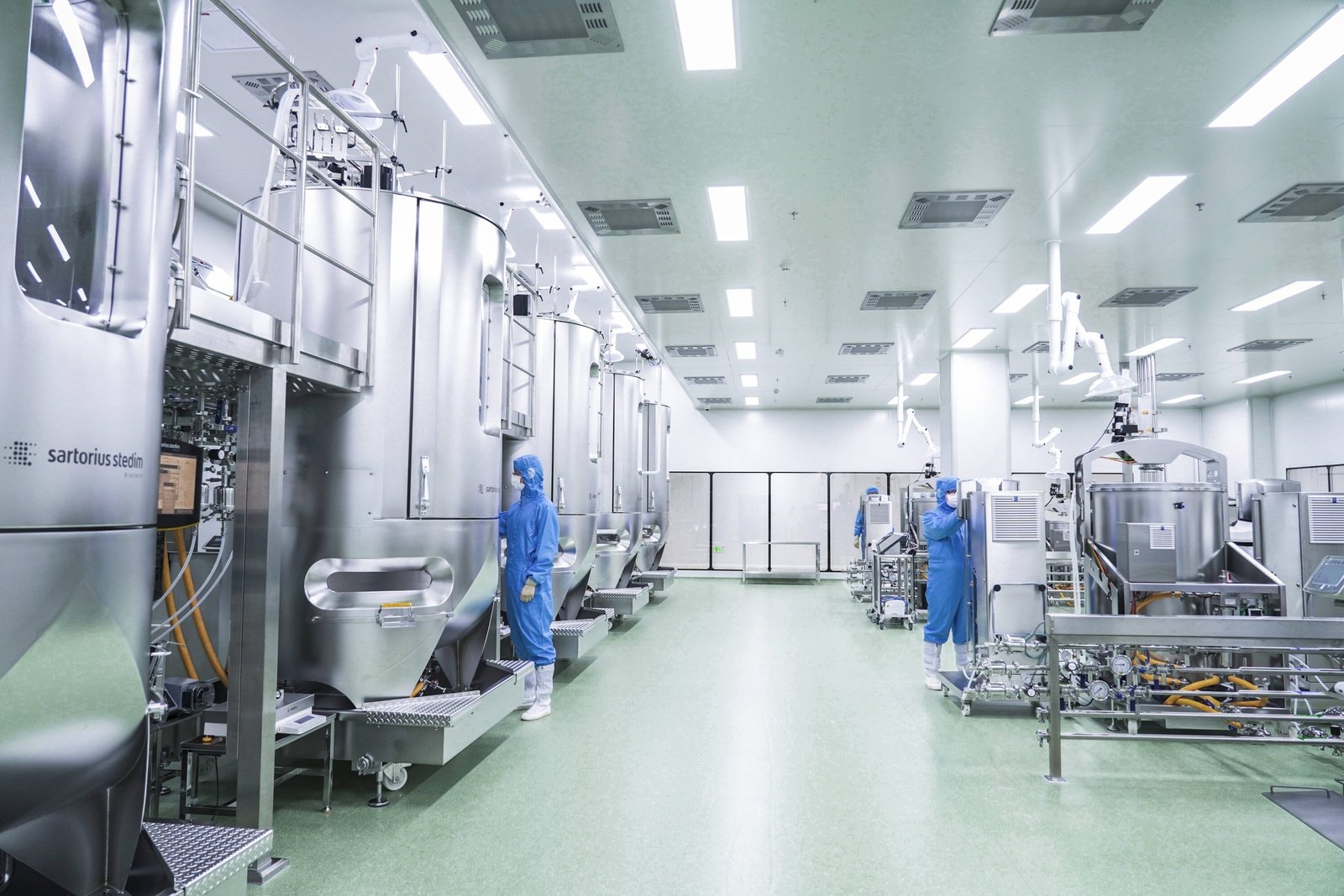
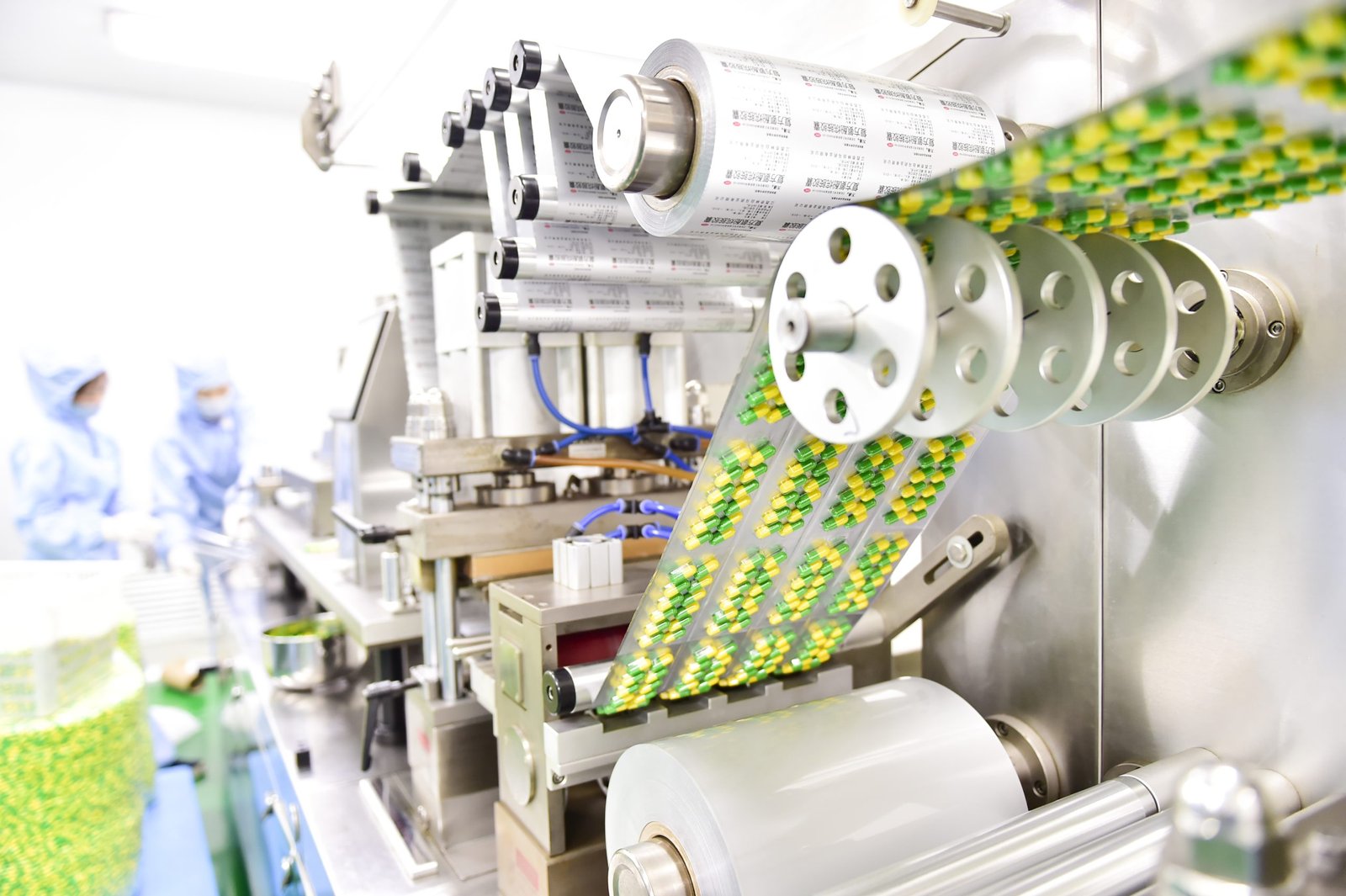
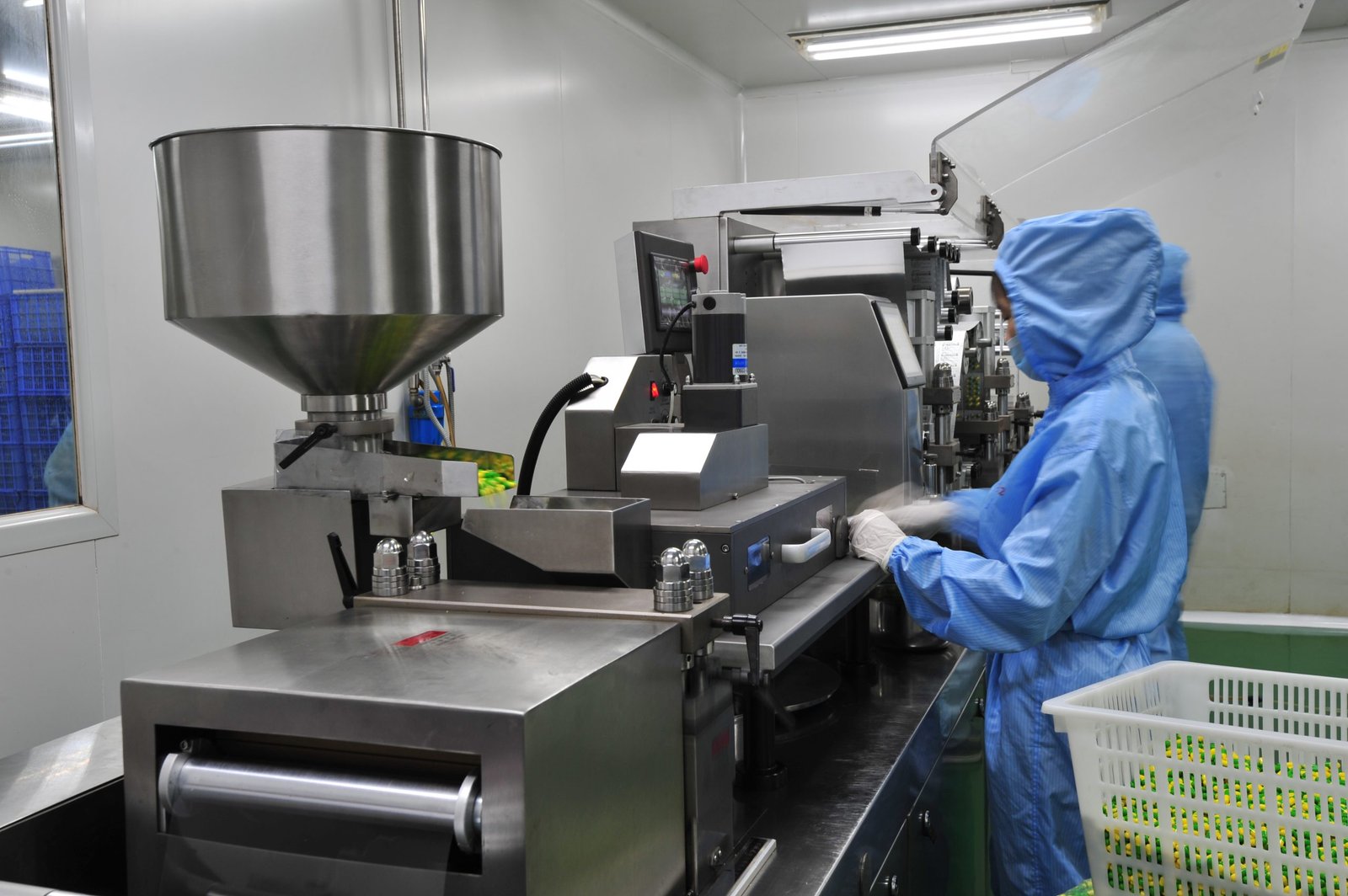
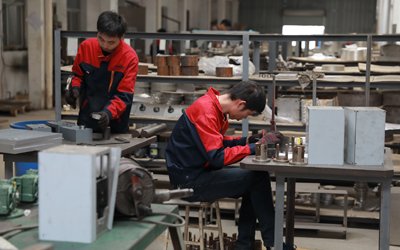
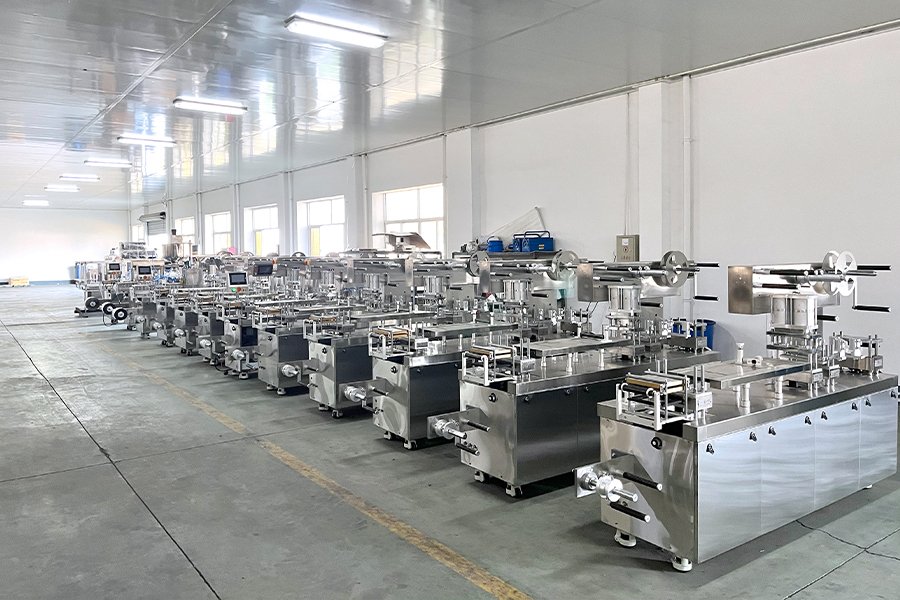
Welcome To Our Pharmaceutical Equipment Line Factory!
Why Choose Us
Specialized Factory
Economical Pricing Options
On-Time Delivery
Perfect Customer Service
Custom Solutions Available
Our technical experts are always ready to assist you in finding the perfect customized solution for your needs.