
Tablet Press Pricing: From Lab to Industrial Scale
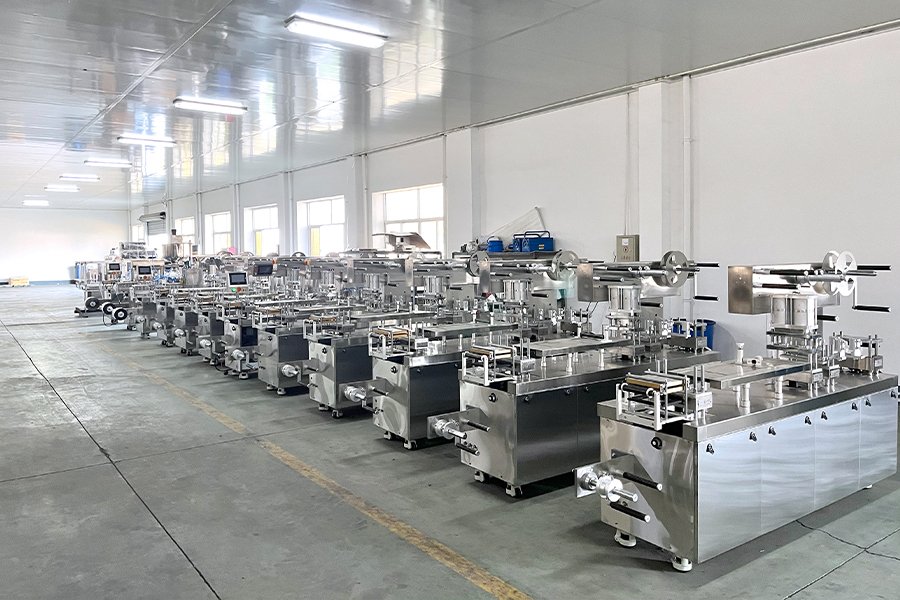
Tablet manufacturing machine pricing has become a key topic across global pharma and nutraceutical supply chains. In 2026, the market shows a clear tiered structure — from research-grade equipment around $7,400 to fully automatic high-volume systems exceeding $200,000. The global pharmaceutical tablet press market is approaching $1.5 billion with a CAGR above 7%. Chinese manufacturers in Jiangsu and Zhejiang have cut equipment costs by 15%–30% through production scale. With global pharma manufacturing equipment set to break $15 billion in 2026 — Chinese exports holding 60%+ share — buyers need sharper selection instincts to avoid overpaying for unused specs.[Source: https://www.grandviewresearch.com/industry-analysis/pharmaceutical-manufacturing-equipment-market]
Automation Is Driving the Pricing Logic — and the Forecasts Through 2028
The Structural Shift in Industrial Automation
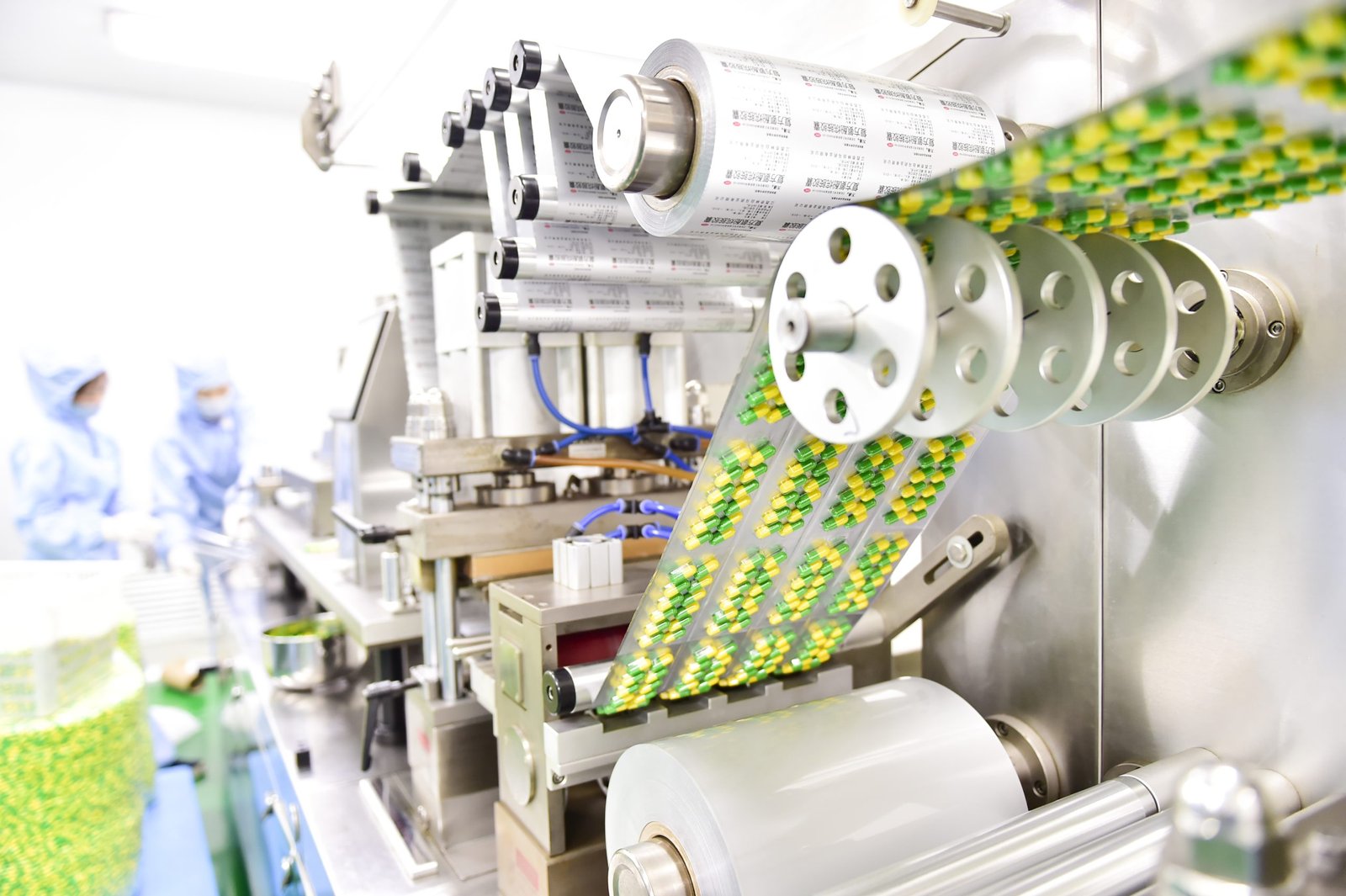
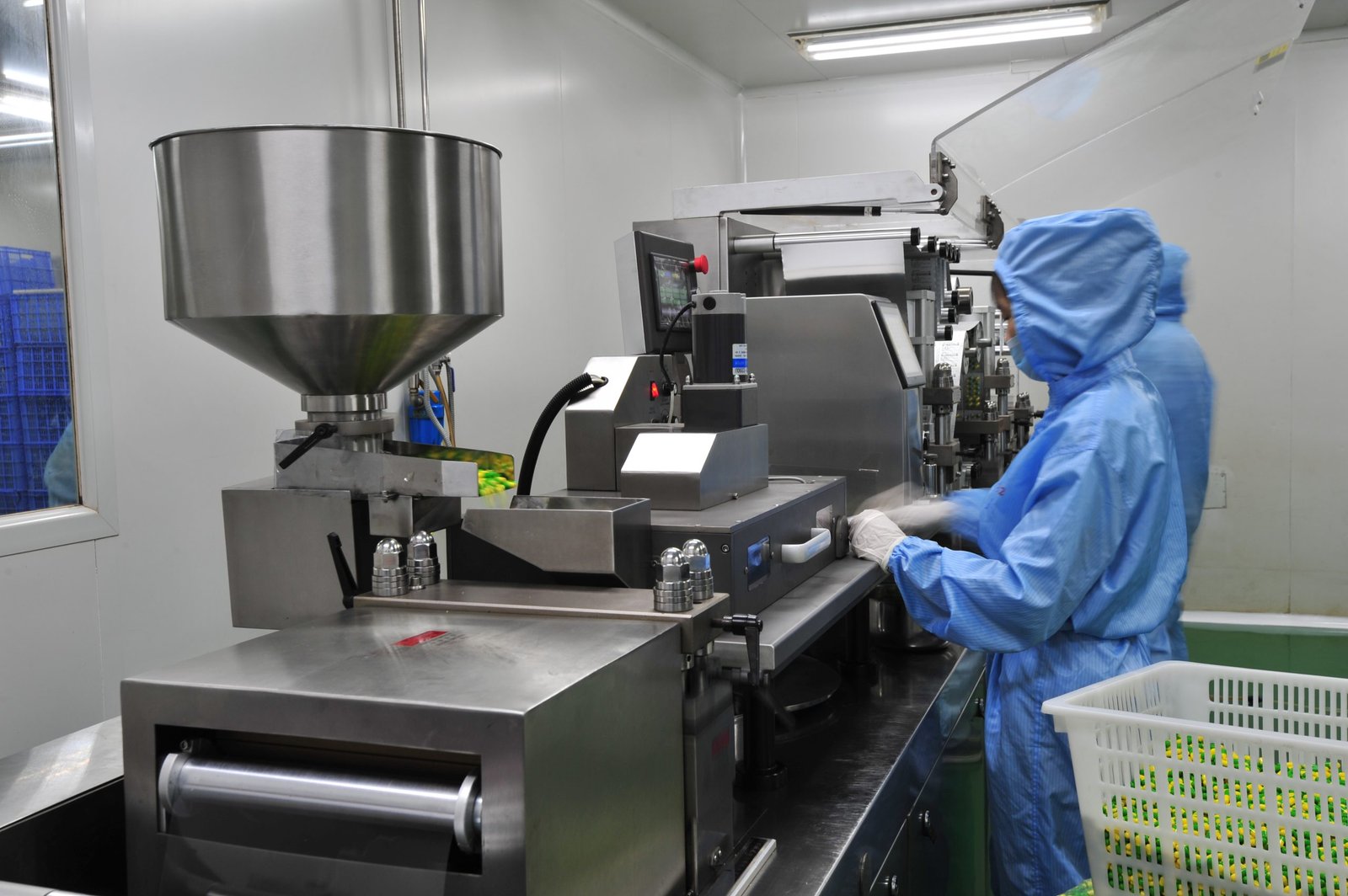
Tablet press pricing reflects a full industry pivot toward intelligent, flexible production. By 2026, automated tablet presses hold 70% of the market, with manual machines confined to teaching labs and pilot settings. The real automation win isn’t just speed — scaling from thousands to 100,000+ tablets per hour — it’s precision: consistent hardness, weight uniformity, and built-in compliance data.[Source:https://www.fda.gov/drugs/pharmaceutical-quality-resources/current-good-manufacturing-practice-cgmp-regulations]
A Careful Forecast on Average Pricing
Average tablet press prices could rise ~15% by 2028, driven by three factors:
- Compliance costs rising — FDA and WHO GMP enforcement is pushing investment in WIP systems and dust containment.
- Emerging market demand surging — Pharma hub investment in India and Vietnam has jumped 30%, driving mid-range automated machine orders.
- AI now baseline spec — Optimization software adds upfront licensing costs but cuts waste and drops unit production cost ~20% over machine lifetime.
Standout data point: ISO 9001-certified Chinese manufacturers quote fully automatic machines at $17,650–$18,465 — hard to beat globally on pure value.
Matching Budget to Scale — A Practical Selection Framework
Strategic Pain Points by Buyer Type
Startups and R&D Labs (Development Stage)
- Core concern: Keep spend under $10,000.
- Guidance: TDP-series single-punch presses cover most needs at ~5,000 tablets/day.
- Note: Budget 20% of equipment value annually for maintenance — most buyers underestimate this.
Mid-Size Pharma and Nutraceutical Manufacturers (Growth Stage)
- Core concern: Balance capacity and automation. Budget: $20,000–$40,000.
- Guidance: ZPW 23-series rotary presses deliver 200,000 tablets/day with a payback period often under six months.
Large Pharmaceutical Groups (Industrial Scale)
- Core concern: GMP compliance and batch consistency. Budget typically exceeds $50,000.
- Guidance: Heavy-duty rotary machines targeting under 1% unplanned downtime. Factor in freight and IQ/OQ/PQ validation — easily +15% to total project cost.
Competitive Benchmarking — Real Market Data From 2026’s Active Suppliers
The table below reflects actual supplier performance — not just catalog claims.
| Brand / Model | Core Strength | Known Limitation | Best Fit | Price Range (USD) |
|---|---|---|---|---|
| HERUN Machinery (Shanghai) | ISO 9001 certified; stable 3-layer rotary structure | Tech support response ~4 hours | Mid-size pharma stable production | $7,400 – $18,465 |
| Hangzhou Shengde Machinery | Strong on-time delivery; high customer ratings | Repeat purchase rate has room to grow | Nutraceutical export trade | $14,247 – $42,500 |
| Shanghai Tianfeng (ZPW23) | Heavy-duty high-pressure; 100K+ tablets/day | Strict MOQ; longer lead times | Large GMP-compliant facilities | ~$42,000 |
| Nantong Jianfeng | 10,000 sqm base; on-time rate above 93% | Longer turnaround for custom specs | Large-scale bulk production | ~$25,000 – $30,000 |
| Guangzhou Daxiang | Ultra-low entry; accepts single-unit orders | Limited spec range; low expandability | Small R&D laboratories | $340 – $400 |
2026 Procurement Strategy — How to Get the Most Out of Your Equipment Investment
Fast markets punish slow decisions. Here’s the practical playbook:
- Match capacity to reality — Under 100,000 tablets/day, an entry-level auto machine suffices. Above that, modular rotary capability is non-negotiable.
- Verify supplier credibility — Prioritize vendors with on-time delivery above 95% and verifiable manufacturing infrastructure.
- Front-load compliance review — Confirm GMP and ISO certification upfront. Retroactive remediation can cost up to $100,000.
- Run a pre-production test — Validate tablet uniformity above 98% under real conditions before committing to full-scale production.
The 2026 bottom line: chasing the lowest price is a trap. So is overpaying for specs you don’t need. Read the technology curve correctly — and know where China’s upgraded supply chain delivers genuine, compounding value.
FAQ
Q: Where does the pricing center of gravity sit for tablet presses in 2026?
The market is bifurcated. Entry-level lab equipment starts around $7,400; GMP-standard high-end rotary machines cluster at $42,000–$50,000. For budgets between $15,000–$30,000, China’s industrial clusters are your strongest starting point.
Q: How do you filter for high-value automation partners?
Three metrics matter: on-time delivery rate (above 97%), real manufacturing capacity (5,000+ sqm footprint), and applied technology credentials — AI monitoring or quick-change tooling. Localized logistics support can cut 15% off hidden costs.
Q: Can budget-tier tablet presses meet pharmaceutical compliance requirements?
Machines in the $300–$9,000 range suit food, nutraceutical, or cosmetic use. For regulated pharma, they typically lack the data tracking and pressure monitoring auditors require. One non-conforming batch will almost always cost more than you saved on the machine. For pharma clients, the intelligent mid-to-high-end segment is where the economics work.