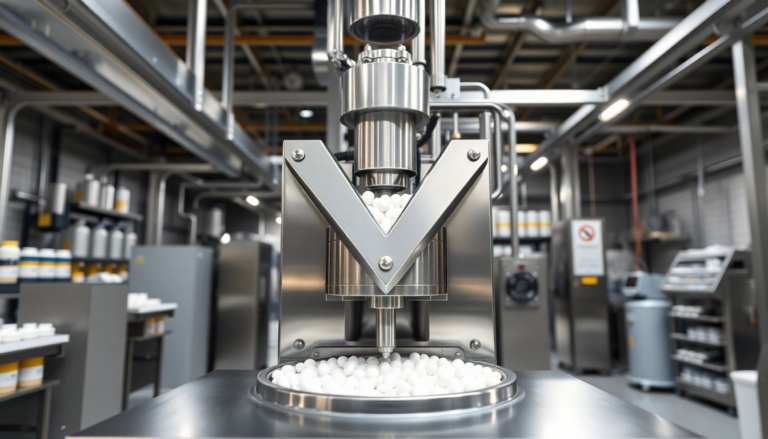

Pharmaceutical Tablet Press: How to Choose the Right Machine for Your Production Scale
The pharmaceutical tablet press manufacturing sector is undergoing structural transformation, driven by biopharmaceutical industry growth and rising oral solid dosage demand. By 2026, the global market has shifted from traditional mechanical compression toward intelligent, modular production systems. Germany, the United States, Italy, India, and China dominate global supply, each backed by deep industrial heritage and mature supply chains.[Source:https://pharmamachinecn.com/top-10-tablet-press-machine-manufacturers/]
A clear strategic signal: pharmaceutical production capacity is migrating to emerging markets. Asia-Pacific — especially China and India — is the fastest-growing equipment market, fueled by cost advantages and rapid tech advancement. Yet procurement challenges persist: high equipment costs, cross-border logistics, and equipment stability under complex conditions remain key trade-offs for capital allocation.
2026–2033 Tablet Press Manufacturing Trends: Automation Integration and Regional Competition
Industry Outlook: How Intelligent Control Is Redefining Production Efficiency
The industry is shifting from scale expansion to efficiency-driven performance. Modern rotary presses with high-precision sensors and AI algorithms can boost overall efficiency by 35% — addressing both rising labor costs and stricter global regulatory requirements around drug consistency and traceability.[Source:https://www.cognitivemarketresearch.com/tablet-compression-machines-market-report]
Global Supply Map: From Technical Monopoly to Multi-Polar Competition
European suppliers, led by Germany, maintain advantages in precision engineering and large-scale stability. Meanwhile, Indian and Chinese manufacturers are rapidly closing the mid-to-high-end gap through localized production and aggressive export strategies. By 2030, Asia-Pacific’s global market share will grow further, driven by CDMO migration into the region and surging demand for high-automation equipment.
Continuous Manufacturing: The Technology Tipping Point Replacing Batch Processing
Continuous compression technology is displacing traditional rotary batch processes. Continuous lines outperform batch systems in reducing material waste and improving consistency. This shift from batch to continuous is actively reshaping how pharma companies design facilities and structure supply chains.
Tablet Press Selection and Strategic Fit for Different Pharmaceutical Scale Operations
Pharma Profile Analysis: How to Avoid Procurement Traps Based on Production Scale
- Startups and Small Pharma Units (annual output below 1 billion tablets): Capital pressure and limited maintenance capability are the core challenges. Prioritize reliability, easy maintenance, and readily available spare parts. Single-punch or mid-speed rotary models best balance R&D flexibility with small-batch production needs.
- Growing Mid-Sized Pharma Companies (annual output 1–5 billion tablets): At a critical expansion phase, these operations must balance upfront investment against long-term costs. Models with automated tooling management and data acquisition capabilities significantly reduce compliance costs over time.
- Large Multinational Pharma Groups (annual output above 5 billion tablets): Maximum throughput and global regulatory compliance are the priorities. High-speed presses producing millions of tablets per hour — paired with end-to-end digital monitoring — are essential for supply chain stability.[Source:https://pharmamachinecn.com/top-10-tablet-press-machine-manufacturers/]
Global Tablet Press Brand Comparison: Technical Specs and Value Positioning
| Brand / Series | Core Technical Advantage | Operating Considerations | Target Application | Estimated Investment Value (USD) |
|---|---|---|---|---|
| High-End Precision Series (e.g., KORSCH) | Superior precision engineering, modular tooling, seamless R&D-to-production scalability | High customization cost; specialized maintenance team required | Global pharma R&D and ultra-large-scale manufacturing | $150,000 – $500,000 |
| High-Reliability Series (e.g., Cadmach) | Proven reliability, globally available spare parts, low maintenance barrier | Automation at ultra-high-speed continuous operation still developing | Mid-sized pharma in emerging markets | $50,000 – $200,000 |
| Performance-Leading Series (e.g., Fette) | High output, strong R&D pipeline, meets international audit standards | Premium pricing; less flexible for small-batch runs | High-value pharma and large-scale nutraceutical manufacturing | $200,000 – $600,000 |
| Automation-Integrated Series (e.g., GEA) | Deep integration with automated lines, compatible with complex pharma ecosystems | Complex maintenance logic; requires higher operator skill levels | Fully automated and lights-out facility construction | $180,000 – $450,000 |
Equipment Selection Strategy and Long-Term Asset Optimization Recommendations
Choosing the right supplier is the foundation of lasting competitive advantage. Here’s a practical action guide:
- Precisely Benchmark Capacity Requirements: Align your five-year growth projections with a quantified annual tablet output target to determine the right station count and speed grade.
- Evaluate Multi-Dimensional ROI: Compare at least three global suppliers — factor in material waste rates and long-term maintenance costs, not just purchase price.
- Technical Validation and On-Site Due Diligence: Require live automation demonstrations and conduct a Factory Acceptance Test (FAT) to verify performance before signing contracts.
- Regulatory Compliance Review: Confirm full compliance with FDA or EU-GMP standards to protect drug registration, audits, and market access downstream.
FAQ
Q: Where are the core growth opportunities in the global tablet press market in 2026?
A: Growth is concentrated in Asia-Pacific, particularly for automated rotary tablet presses. Expanding generic drug markets and the trend toward tableting biologics are driving demand for high-precision equipment capable of handling complex formulations.
Q: How do you balance equipment acquisition cost against long-term operational efficiency?
A: Think in terms of total lifecycle cost. Higher-automation equipment requires more upfront investment, but gains from reduced rejects, lower manual intervention, and shorter maintenance windows typically deliver positive ROI within 24 months.
Q: How do Chinese-manufactured tablet presses perform on compliance in international markets?
A: Leading Chinese manufacturers like Hanyoo now fully meet EU-GMP and FDA compliance requirements. Beyond competitive pricing, their digital integration level is genuinely on par with comparable European products — a gap that has closed faster than most expected.
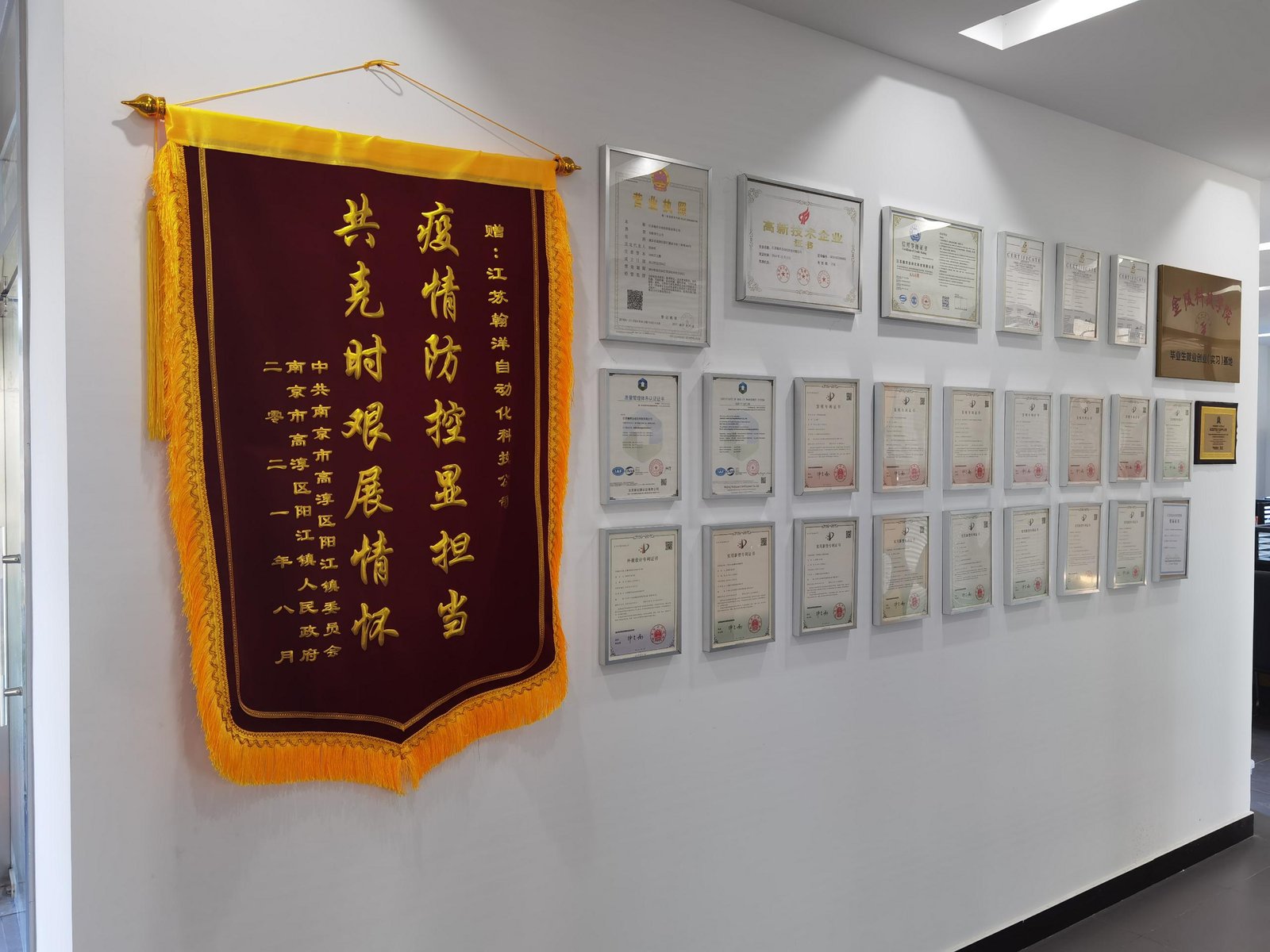
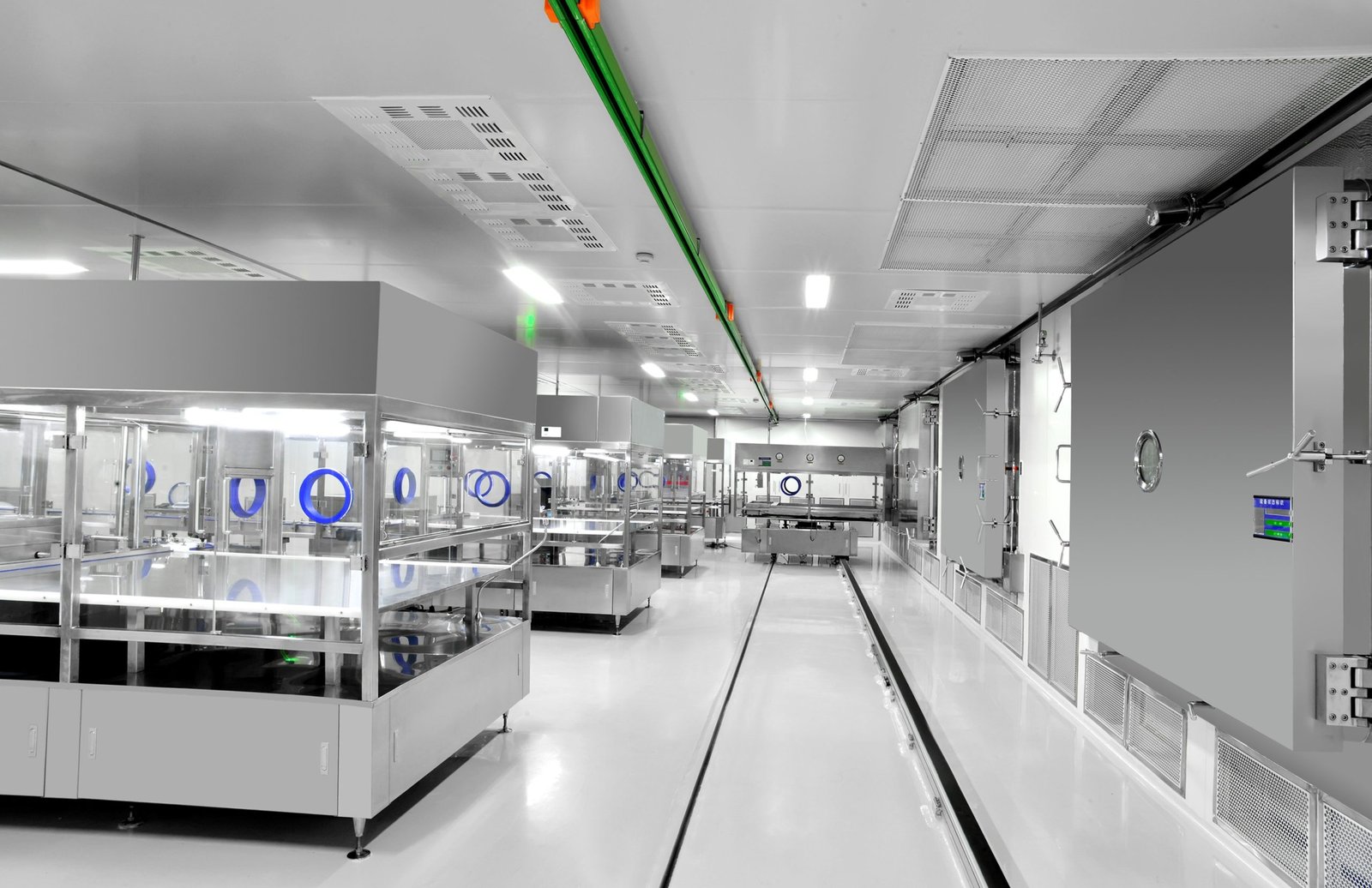
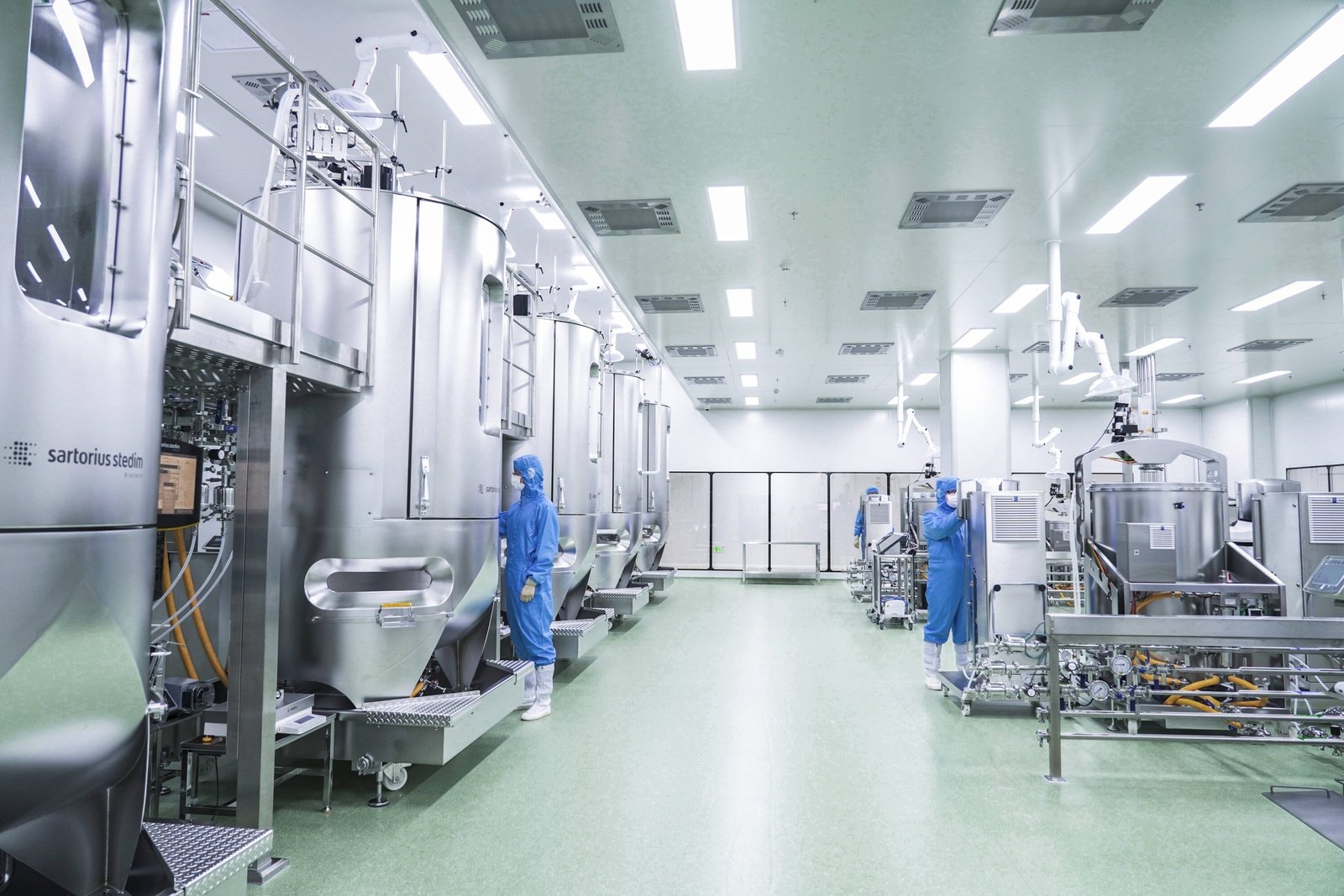
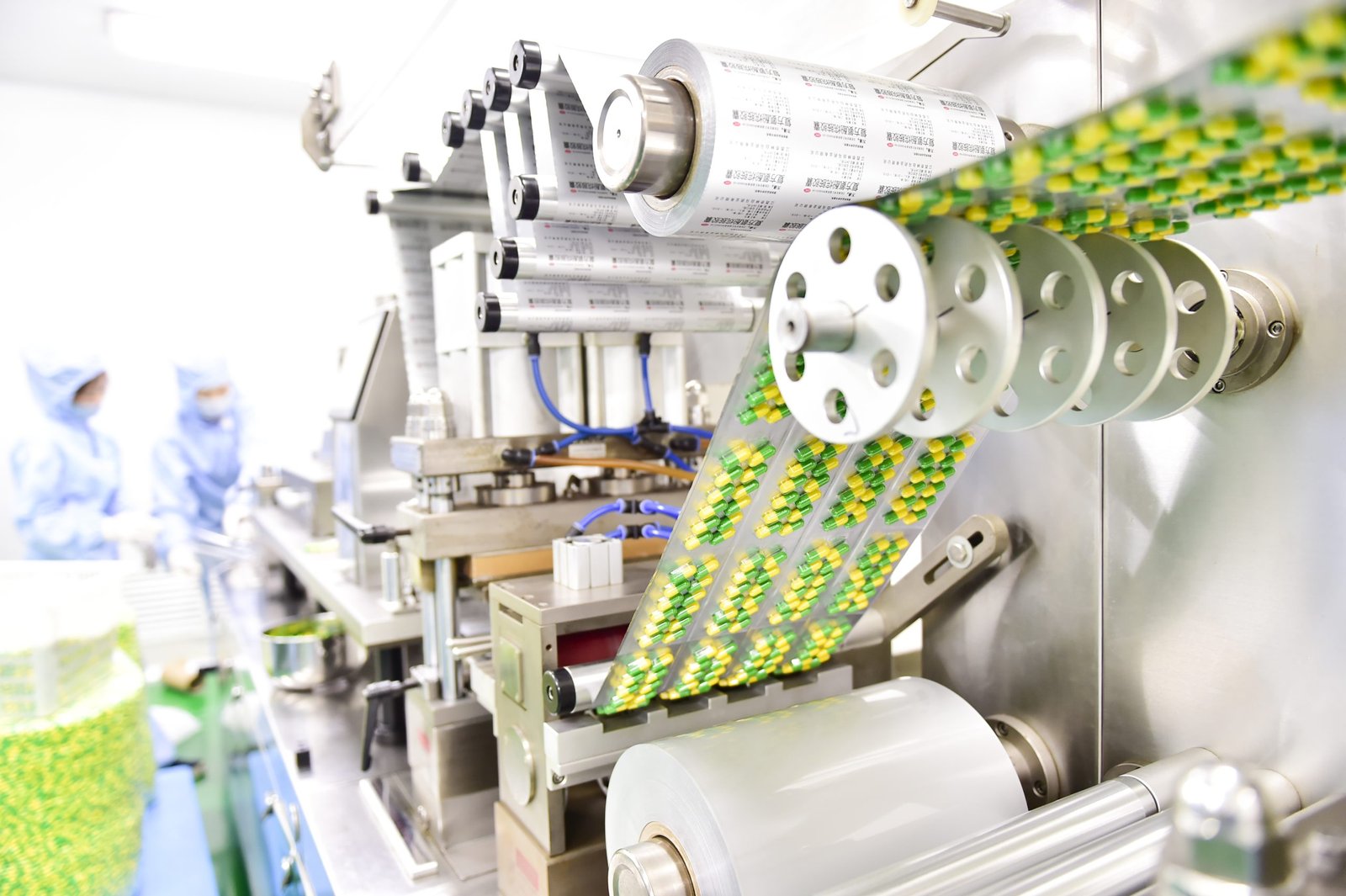
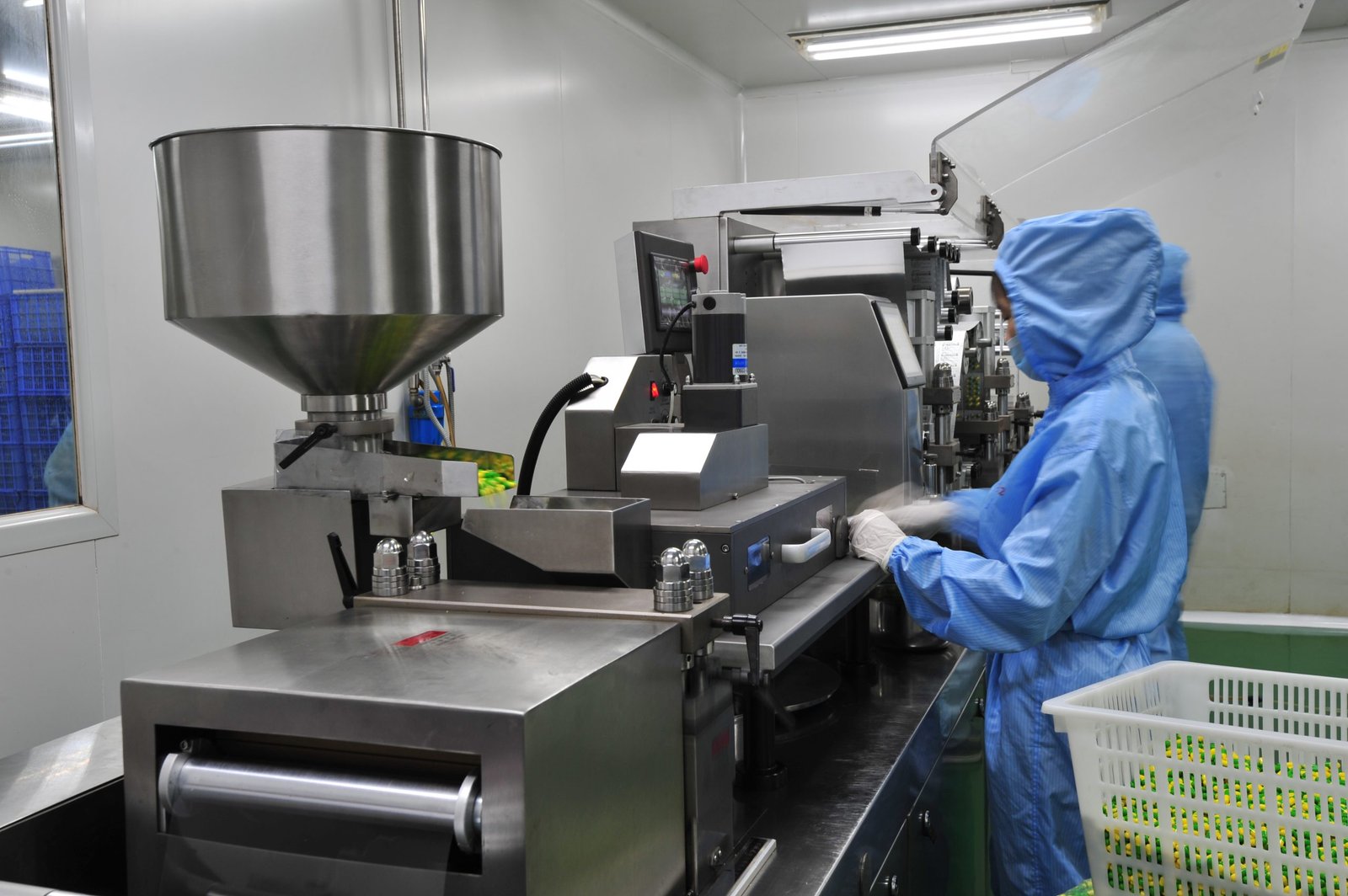
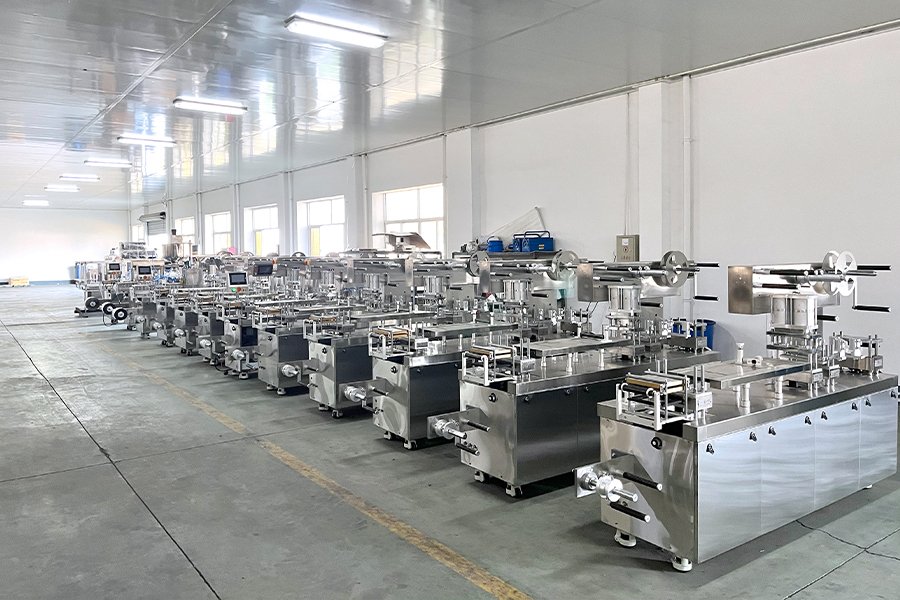
Welcome To Our Pharmaceutical Equipment Line Factory!
Why Choose Us
Specialized Factory
Economical Pricing Options
On-Time Delivery
Perfect Customer Service
Custom Solutions Available
Our technical experts are always ready to assist you in finding the perfect customized solution for your needs.